How rollator brakes work
Most rollators have loop brakes: a handle that sits above the grip, connected by a cable to a brake pad on each rear wheel. Squeezing the handle towards the grip tightens the pad on the wheel, slowing it down. Pushing the handle down, past its normal range, locks it in place, acting as a parking brake. Releasing the lock needs a gentle lift.
There are two uses: slowing on a slope or when you need to stop, and parking when you sit, stand up or stop for a rest. People often use the first without the second, forgetting that the walker only stays put when locked.
Some models also have a push-down brake that engages when you press down on the handles. These are simpler but can lock unexpectedly if the user leans heavily. Know which type you have.
Test the brakes at purchase and every week
Brakes wear and stretch, and a rollator that was safe last year may not be now. Test them:
- Squeeze test. Squeeze each lever; it should feel firm, not spongy, and the wheel should resist movement.
- Lock test. Press each lever down to lock. Try to push the rollator; it should not move. Test on a smooth floor.
- Two-sided test. Both brakes must be equally strong. If one side is weaker, the rollator veers when you brake.
- Slope test. On a gentle ramp, apply the brakes and check the rollator holds.
- Look at the pads. The rubber pad on each wheel should be in contact when the brake is applied. Worn or oily pads slip.
If a brake is loose, many rollators have a cable adjuster near the lever or wheel that tightens it. If you are not sure, ask a shop or a technician to adjust it. Do not use a rollator with damaged cables or pads.
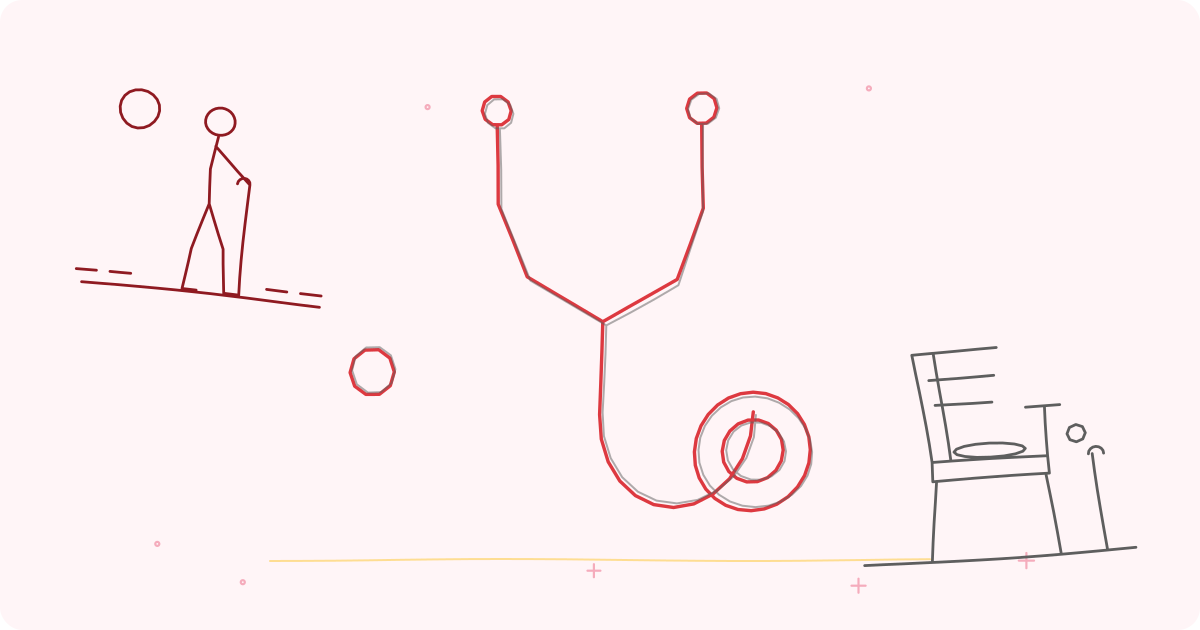
Can your parent actually use the brakes?
This is the question families forget. A brake lever that is easy for you to squeeze can be impossible for a hand with arthritis, weakness after a stroke or tremor. Test with your parent:
- Can they squeeze the lever with each hand and hold it?
- Can they press it down to lock and lift it to release?
- Are the levers the right distance from the grips for their finger length?
If not, ask a physiotherapist or occupational therapist about options. Some rollators have lighter levers, bigger loops or different brake designs. In some cases a frame, which has no brakes to operate, is safer. See rollator or walking frame.
The golden rule of sitting: lock, check, then sit
Most rollator falls happen when someone sits. The rollator rolls backwards as weight goes on the seat, the person's legs go forward and they land on the floor.
To sit safely:
1. Walk to where you want to sit and stop. 2. Lock both brakes by pushing the levers down. 3. Check by pushing the rollator gently; it should not move. 4. Turn so your back is to the seat, with the rollator behind you. 5. Reach back, feel the seat with the back of your legs, then lower yourself slowly, holding the handles. 6. Sit all the way back, with feet flat.
To stand up:
1. Check both brakes are locked. 2. Move forward in the seat, feet back and flat. 3. Hold the handles and lean forward, "nose over toes". 4. Push up with legs and arms. 5. Stand for a moment before releasing the brakes and walking.
Never sit on a rollator with the brakes off, and never sit facing the wrong direction. Always make sure there is nothing hanging from the handles that could tip it.
Using the seat for rests only
The seat is designed for short rests, not for being pushed around, not for sitting for long and not for holding a heavy person on a slope. Remember:
- Do not let someone push you while you sit, unless the manufacturer says it is safe. Most are not designed as wheelchairs.
- Stay within the weight limit, which may be lower for the seat than for walking.
- Do not sit on a sloped surface such as a ramp or a kerb edge.
- Take care with soft ground such as grass or sand.
- Do not use the seat as a step stool.
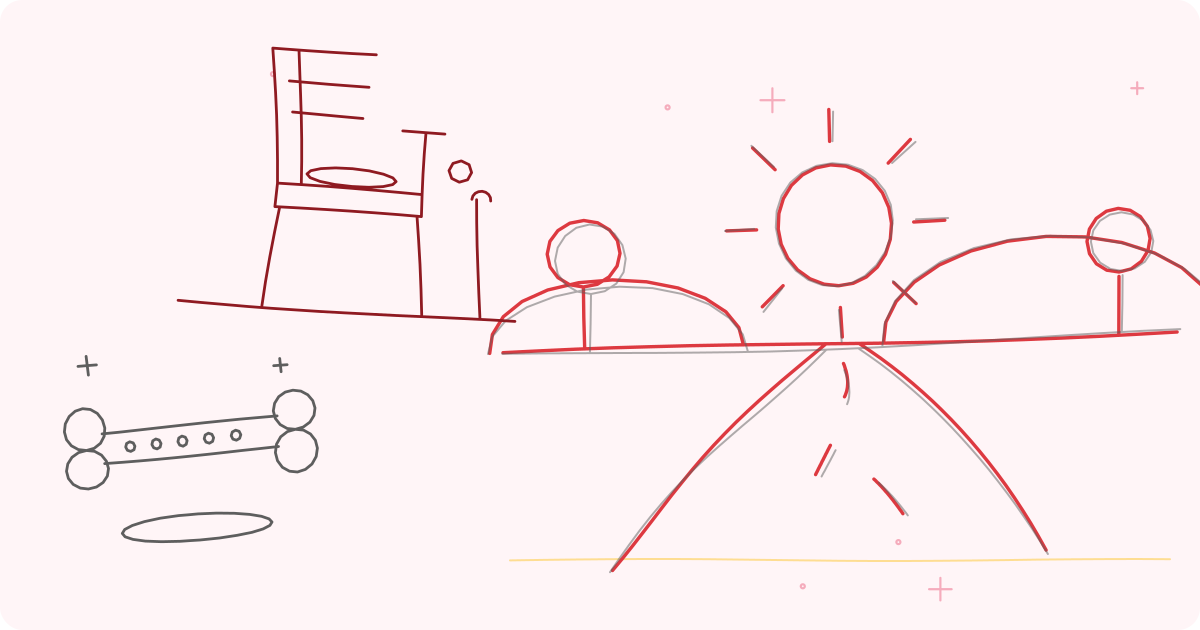
The other mistakes that cause falls
Pushing the rollator too far ahead. Arms become straight, the body leans forward and the wheels roll away. Keep it close, with elbows slightly bent.
Leaning heavily on the handles. A rollator is not a frame. A heavy lean can make it slide forward.
Using the brakes only at the last moment. Slow gently with light pressure on a downhill slope, rather than grabbing the brakes.
Using it on stairs or escalators. Never.
Turning in a tight space. Take small steps and move the rollator slightly with each step.
Carrying a heavy load in the basket or on the handles. It makes the rollator tip. Keep loads light and low.
Ignoring uneven ground. Cracks, kerbs and potholes can stop a wheel suddenly. Lift the front wheels over low obstacles gently or avoid them.
Poor footwear. Slippery shoes cause slips. Wear closed, non-slip shoes. See walking aids and footwear.
Poor lighting. Dark corridors hide hazards. A motion-sensor night light helps at night.
A daily and weekly safety check
Before each outing (one minute):
- Squeeze and lock both brakes.
- Check wheels spin freely and tyres are not flat.
- Check the height setting and that handles are tight.
- Check the seat is secure and the backrest strap is in place.
- Check nothing heavy hangs from the handles.
Weekly:
- Wipe the frame and wheels and remove hair or thread from axles.
- Check the brake pads and cables for wear or fraying.
- Check folding locks and hinges.
- Check the seat padding for damage.
Monthly or as advised:
- Ask a technician to inspect and adjust brakes, particularly after heavy use.
Special conditions
Memory problems. A person who forgets to lock the brakes should not use a rollator unsupervised. A frame is safer.
Parkinson's disease. Freezing and festination (running forward) make wheeled aids risky for some people. A physiotherapist should decide. See walking aids for Parkinson's.
Breathlessness. A rollator's seat is a major benefit; teach a rest routine and use pursed-lip breathing. A person who is dizzy must sit at once, with brakes on.
Weak hands. Ask about alternative brake designs or a different aid.
Rain and wet floors. Wet brake pads and wheels slip; dry them and take care.
If a fall happens
If your parent falls backwards, do not rush to lift them. Check for injury, keep them warm and call for help if they are hurt, cannot get up or hit their head. A rollator fall on the head is serious. For what to do, read what to do after a fall, and consider a fall detection watch or panic pendant for someone who walks alone.
When to ask a professional
Ask a physiotherapist for a review if your parent has had a fall with a rollator, cannot operate the brakes, feels unsteady when sitting or standing, or is breathless on walking. A short session can teach correct braking and sitting, adjust height and confirm that a rollator is still the right aid. Ask a doctor about dizziness, new weakness or poor vision, which can raise fall risk.
Equipment mentioned in this guide
Frequently asked questions
Why do rollators cause backward falls?
Because they roll when the brakes are not locked. If someone sits or stands while the rollator moves, they lose balance. Always lock both brakes, check, then sit or stand.
How do I test rollator brakes?
Squeeze each lever and check the wheel resists; push the levers down to lock and try to move the rollator; check both sides are equally strong; and look at the pads and cables for wear.
Can I sit on my rollator while someone pushes me?
Generally no. Most rollators are not designed as wheelchairs and can tip. Use a transit wheelchair for being pushed.
What if my parent cannot squeeze the brakes?
Ask a physiotherapist or occupational therapist. Options may include different brake designs or a different aid, such as a frame.
How often should the brakes be checked?
Check them before every outing, and ask a technician to adjust or service them regularly, especially if the rollator is used daily.
Sources and further reading
- NICE guideline NG249, Falls: prevention, assessment and management in older adults and adults at higher risk
- Chartered Society of Physiotherapy, patient information on rollators
- American Academy of Orthopaedic Surgeons, OrthoInfo: Using a cane, crutches or walker
- World Health Organization, World report on ageing and health (2015)
Tags: rollator brakesrollator safetyrollator seatwalker fallshow to use a rollatorfalls preventionWalking and mobility aidsRollator with seat and brakesMobility and walking aidsSafety and alert devices
This article is for general education and is not medical advice. Speak to your doctor before changing your exercise, diet or medicines.