First: should you try to get up?
Stay where you are and call for help (press your alarm, call out, call 112) if:
- you hit your head, feel drowsy, confused or have a severe headache, particularly if you take blood thinners;
- you have severe pain anywhere, especially in the hip, groin, pelvis, back, neck, wrist or shoulder;
- a limb looks bent, shortened or turned out, or you cannot move it;
- you have chest pain, breathlessness, palpitations, or feel faint, or suspect a heart or stroke problem; see stroke warning signs and first hour;
- you have numbness, weakness or tingling in arms or legs;
- you are bleeding heavily;
- you feel very dizzy or unwell;
- you have recent surgery or a medical device and have hurt the area.
See what to do after a fall for a fuller list, and for helpers.
You may try to get up if: you are alert, feel no serious pain, have not hit your head, can move all limbs and feel steady enough after resting for a minute or two. If in doubt, do not try. Wait for help. Waiting a short time is safer than a wrong move; but also avoid a long lie; see long lie after a fall.
Before you move
1. Stay calm. Breathe slowly. 2. Rest for a minute or two, then check for pain by gently moving fingers, toes, wrists and ankles, then arms and legs. 3. Look around for a sturdy chair, a bed edge, a sofa or a firm piece of furniture to use. Avoid wheeled chairs, light tables and items that can tip. 4. Make sure the floor is clear and not wet or slippery. 5. Think about your alarm: if you have a pendant, you may wish to press it even if you plan to get up, to let someone know.
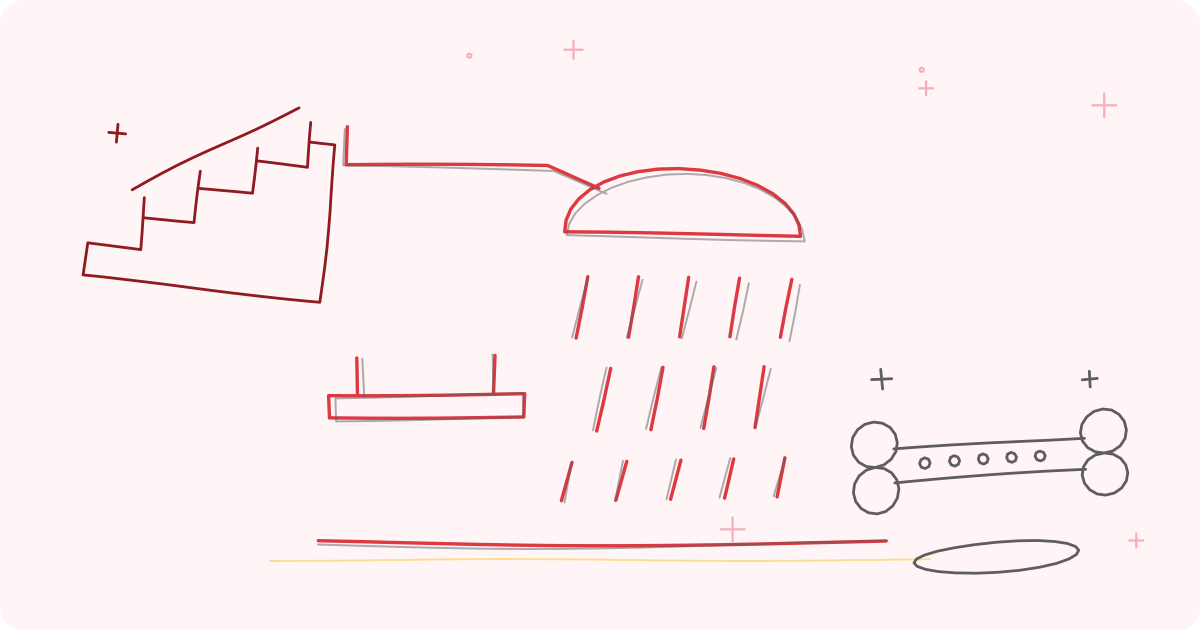
Method 1: getting up using a sturdy chair
Use a firm, non-wheeled chair with a solid seat, ideally against a wall or with the back held steady. A sofa with a firm edge or the edge of a bed may work.
1. Roll onto your side. Bend one knee, reach the opposite arm across your body and roll onto your side, then onto your front if you can, easing onto your hands and knees. 2. Crawl slowly towards the chair on hands and knees, taking time. If your knees are sore or you cannot kneel, shuffle on your bottom or move in the way that feels safest. 3. Place both hands on the seat of the chair, or on a firm surface in front of you. 4. Bring your stronger leg forward, so the foot is flat on the floor, with the knee bent, like a lunge position, the other knee remaining on the floor. 5. Push up with your arms and the stronger leg, keeping your back straight, and rise until you are standing with both hands on the chair. 6. Turn and sit on the chair, backing up until your legs touch it, reaching for the seat or arms, and lowering yourself slowly. 7. Rest. Sit for a few minutes, take sips of water if available and check for pain, dizziness or injury. 8. Call someone, even if you feel fine, so that they know and can check on you.
Take each step slowly. Pause if dizzy. If at any point you feel pain, stop and call for help.
Method 2: if there is no chair, using stairs or a low step
If a chair is out of reach, a low stair can be used.
1. Roll onto your side and then your hands and knees. 2. Crawl to the stairs and place your hands on a step at about waist height. 3. Bring one foot forward to stand on the floor, push up with arms and leg and turn to sit on the stairs. 4. Rest, then decide how to proceed.
Method 3: sliding on the bottom
If you cannot get to your hands and knees, sit up if you are able, and shuffle on your bottom towards a chair or the stairs, using your hands and legs to push. Sit with your back to the stairs and move up one step at a time, using your arms to lift your bottom up each step, until you are high enough to stand on the floor and use the rail or turn to a chair. A physiotherapist can show whether this suits you.
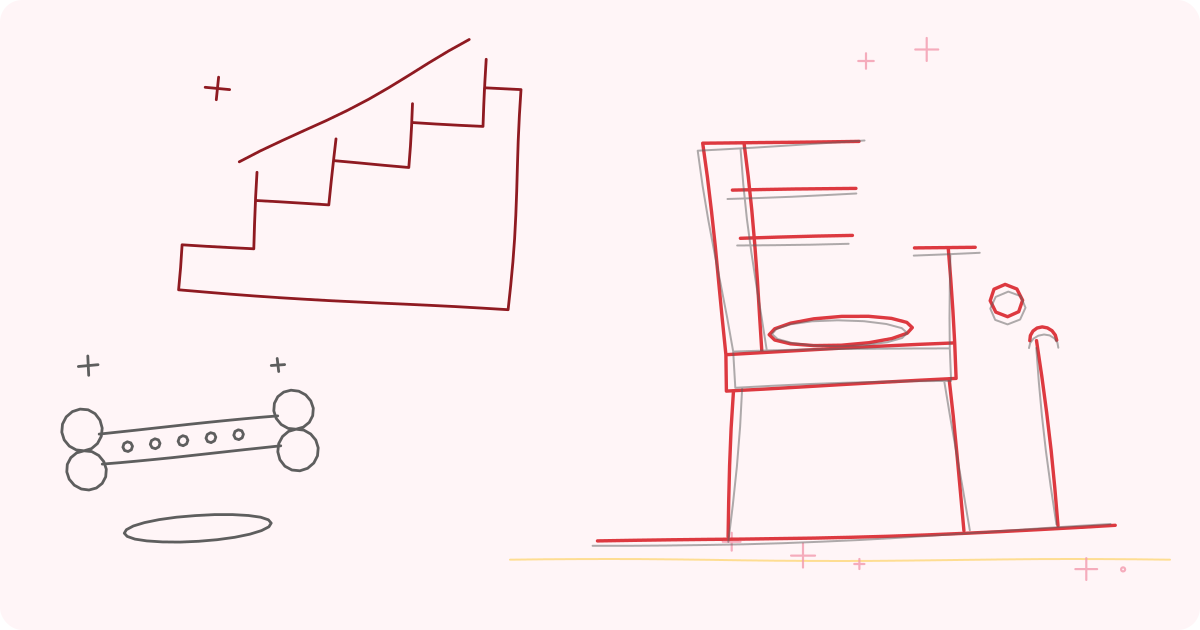
Method 4: rolling to a firm surface and resting
If you cannot get up at all, make yourself comfortable. Pull a cushion, blanket or clothes over you, change position to relieve pressure and keep trying to attract attention. Do not struggle in a way that causes pain. See long lie after a fall.
How a helper can assist
If someone is with you:
- They should first check you as in what to do after a fall.
- They should not lift you by the arms or under the armpits, which can hurt shoulders and their own back.
- They can bring a sturdy chair and guide you through the steps above, standing behind or beside you, with hands on a transfer belt or your hips for steadying, not for lifting; see how to use a transfer belt.
- If you cannot rise, they should call for help. Fire services or ambulance crews may have lifting equipment; call 112.
- They should protect their back: bend knees, keep the back straight, never pull a person off the floor alone; see how to lift and transfer safely.
- They should stay with you afterwards, and encourage a medical check.
After you are up
- Sit and rest. Check for pain, dizziness and swelling.
- Drink water, if you have been on the floor for long.
- Tell someone and let them check for injury. Call your doctor the same day, or the next morning, even if you feel fine. Falls can have causes, such as low blood pressure, infection, medicines or heart rhythm problems.
- Watch for delayed signs over the next two days, especially after a head knock: drowsiness, confusion, headache, vomiting, new pain.
- Do not hide the fall. Telling someone is the first step to preventing the next one.
- Review the cause and make changes: see falls risk assessment at home.
Practising with a professional
The best time to learn is before a fall.
- Ask a physiotherapist or occupational therapist to teach floor transfers suited to your strength, joints and any surgery. They may use a mat, a firm chair and a helper.
- Practise on a soft mat or carpet, with someone present and a chair nearby, once or twice a month, if advised. Do not practise alone if you have balance problems, heart conditions or fragile bones without clearance.
- Practise calling for help with your pendant or phone.
- Build the strength you need: legs, hips, arms and core; see balance exercises for seniors, chair exercises for seniors and exercises for knee and hip pain.
- If you have had a hip or knee replacement, ask your surgeon which movements are allowed; some positions are restricted; see bathroom setup after hip replacement.
- If you have osteoporosis, ask about safe movement; see osteoporosis home care guide.
- If you cannot get down to the floor at all, you may not need to practise getting up; concentrate on prevention and alarms.
Making the home helpful for getting up
- Place sturdy chairs in rooms where falls are likely, such as the bedroom, bathroom and kitchen, with a clear space beside them.
- Keep paths clear and floors non-slip; see flooring, rugs and trip hazards.
- Fix grab bars in the bathroom, where rising is hardest; see grab bar buying guide.
- Keep a phone or pendant on the body; see panic pendant buying guide.
- Keep a blanket in a place that can be reached from the floor.
- Use good lighting, and night lights; see motion-sensor night lights.
- Keep a walking aid in the right place; see how to choose a walking stick.
A note on fear
Many people avoid walking or going out because they fear falling and not being able to get up. A technique and a plan reduce fear. Avoiding activity weakens the body and raises the risk. Talk to a doctor if fear is limiting life; see anxiety in older adults.
When to ask a professional
See a doctor after any fall, and ask for a falls assessment if you have fallen more than once, feel dizzy or unsteady. A physiotherapist can teach safe floor transfers and exercises. An occupational therapist can assess the home and suggest aids and alarms. For support and information on services for senior citizens, call Elderline 14567. In an emergency, call 112.
Equipment mentioned in this guide
Frequently asked questions
Should I try to get up straight away after a fall?
No. Rest for a minute, check for pain and injury, and only try if you feel well and have no head injury or severe pain. If in doubt, stay put and call for help.
What is the safest way to get up from the floor?
Roll to your side, get onto hands and knees, crawl to a sturdy chair, place your hands on the seat, bring the stronger foot forward and push up, then turn and sit. A physiotherapist can adapt this to you.
Can a family member lift me by the arms?
They should not. Lifting by the arms can injure your shoulders and their back. They can guide you using a chair and a transfer belt, or call for help.
Do I need to see a doctor if I got up easily and feel fine?
Yes, contact the doctor the same day or next day. A fall can reveal a cause that needs attention, and injuries may show up later.
Sources and further reading
- NICE guideline NG249, Falls: prevention, assessment and management in older adults and adults at higher risk
- World Health Organization, Global report on falls prevention in older age (2007)
- Chartered Society of Physiotherapy, patient information on getting up from the floor after a fall
- Centers for Disease Control and Prevention, STEADI initiative: materials on preventing falls in older adults
Tags: how to get up after a fallfloor to chairgetting up from floorfall recovery techniquefloor transferfall safetySafety and alert devicesEmergency pendantMobility and walking aidsBathroom and toilet safety
This article is for general education and is not medical advice. Speak to your doctor before changing your exercise, diet or medicines.