What a wedge pillow does
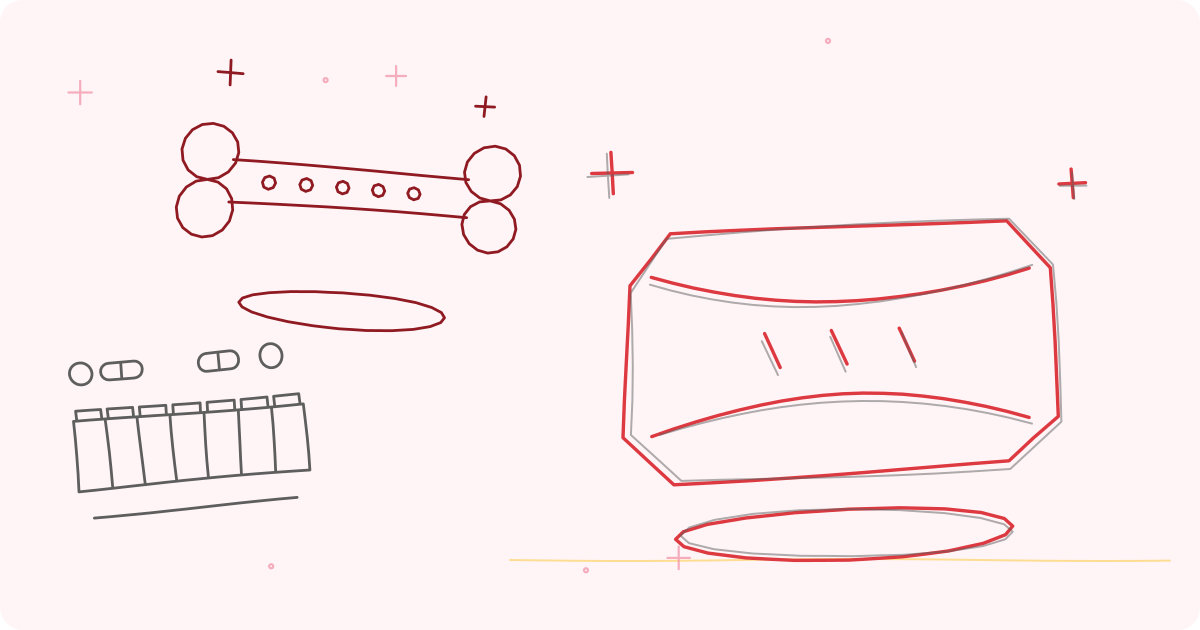
A wedge pillow has a sloping surface, firm foam, in a triangular shape. It lifts part of the body at an angle, using gravity to help.
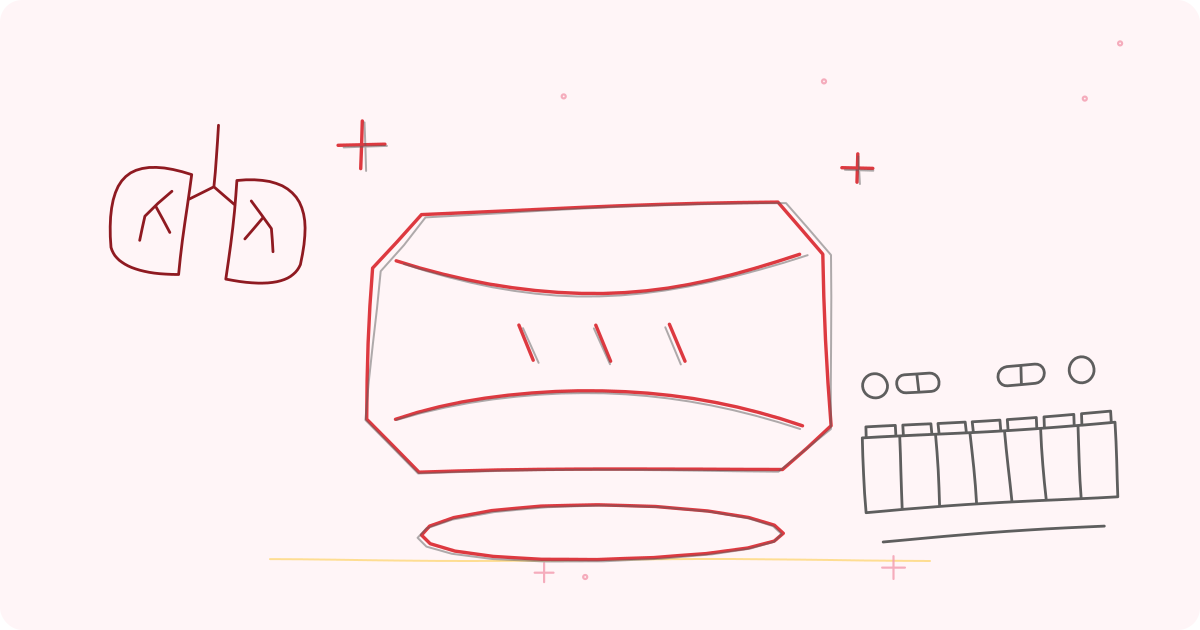
- Raising the upper body uses gravity to keep stomach contents down, and gives the chest and lungs more room.
- Raising the legs helps fluid drain from the lower legs and reduces pressure on the lower back.
- Supporting the back and side helps with positioning, such as after surgery or for people who slide down the bed.
The angle matters. Too little, and there is no effect; too much, and the person slides down and bends at the waist, which can strain the back and cramp the stomach.
Types of wedge pillows
Upper-body (bed) wedge. A large, long wedge, often 20 to 30 cm high at the head end and 60 to 70 cm long, that supports the torso from the hips to the head. It raises the body in a straight line, which is better than stacking pillows, which bends the neck.
Leg elevation wedge. A smaller wedge placed under the calves and ankles, lifting the legs above the heart; see leg elevation pillows for swollen legs.
Back or backrest wedge. A wedge with arms or a reading-pillow shape, for sitting up in bed; see backrests and sitting up in bed.
Neck wedge. A small wedge under the head and shoulders.
Side-sleeping wedge. A narrow wedge placed behind the back to hold a side-sleeping position.
Adjustable beds and hospital beds. For people who need regular head elevation, an adjustable bed raises the head section smoothly; see hospital beds at home.
Conditions where a wedge may help
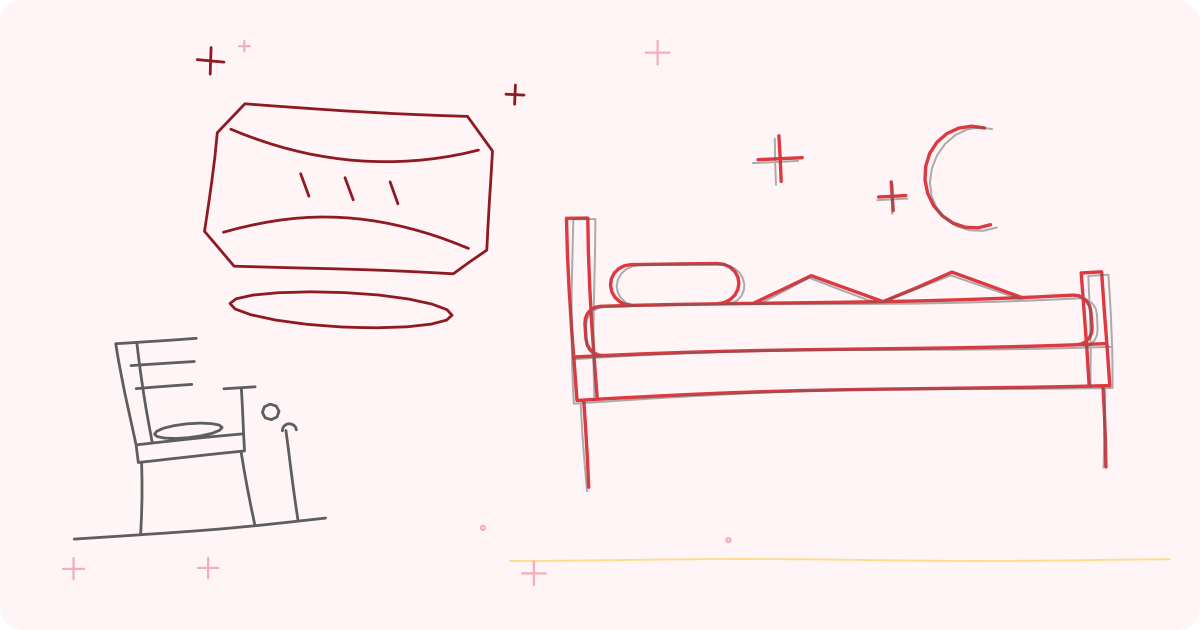
Acid reflux (GERD). Raising the head of the bed by about 15 to 20 cm (6 to 8 inches) helps to reduce night-time reflux for many people. It works best if the whole upper body is raised, not just the head with extra pillows. See acidity and reflux in older adults. Also avoid late heavy meals and eating within three hours of bed, if the doctor agrees.
Breathlessness lying flat. Some people with heart failure or lung disease are more comfortable propped up; this can be a sign of a medical problem, so always tell the doctor. See heart failure at home guide and copd at home guide.
Snoring and mild sleep-breathing problems. Sleeping at an incline can reduce snoring in some people. Persistent loud snoring with pauses in breathing needs medical assessment; see sleep apnoea in older adults.
Postnasal drip and congestion. Raising the head can ease drainage.
Swollen legs. Elevating the legs may help; see swollen legs in older adults.
After some surgeries. The surgeon may advise a particular position. Follow instructions.
Back and hip pain. A small wedge under the knees when lying on the back, or between the knees on the side, may ease the lower back.
Sliding down the bed. A wedge at the hips and knees can help positioning, together with a bed adjustment.
Choosing the right wedge
Height and angle. For reflux, an incline of 15 to 20 cm at the head end, over a length of at least 60 cm. For legs, a height of 15 to 30 cm so that the feet are above the heart. A wedge that is too low does nothing; too high is uncomfortable.
Length and width. Long enough to support from the hips to the head for a body wedge, and wide enough that the person does not roll off.
Foam firmness. Firm, high-density foam that keeps its shape, covered in a soft layer. Soft foam collapses.
Cover. Removable, washable and breathable, with a non-slip base.
Size of the bed. Check that the wedge fits the mattress and does not slide.
Weight. Light enough to move.
Comfort. Try lying on it for a while. Some people find a wedge hard to sleep on.
How to use a wedge
For an upper-body wedge:
1. Place the wedge on the mattress, with the thick end at the head of the bed. 2. Lie with the hips at the lowest point and the head and shoulders on the raised part, so the body is in a straight line. 3. Add a small pillow for the head if needed, but do not bend the neck forward. 4. Check that the person does not slide down; a pillow at the knees or a slightly raised foot of the bed may help. 5. Use for several nights to adapt.
For a leg wedge:
1. Lie on the back with the calves and heels on the wedge, higher than the hips and heart. 2. Do not put pressure behind the knee; support the whole calf. 3. Use for 20 to 30 minutes a few times a day, unless advised otherwise.
Do not stack ordinary pillows to make a wedge; they slip, bend the neck and are unstable.
Safety points
- Skin. If your parent is bedridden, a wedge changes where pressure falls. Check the heels, hips and tailbone daily; see preventing bedsores at home.
- Sliding. A person who slides down may become folded at the waist, restricting breathing and causing pressure. Adjust position.
- Falls. Make sure the wedge does not make getting out of bed harder or the bed higher than is safe.
- Rolling off. A wedge on a bed with no rails can narrow the space; see bed rails guide.
- Breathing. If your parent becomes more breathless on a wedge, stop and ask a doctor.
- Circulation. Do not raise the legs if there is a suspected clot, severe peripheral arterial disease or heart failure, without a doctor's advice.
- Neck. Avoid a position that pushes the chin to the chest.
When a wedge is not enough
- Reflux that continues needs medical treatment; see acidity and reflux in older adults.
- Breathlessness at night needs assessment.
- Persistent leg swelling can be a sign of heart, kidney, liver or vein disease, or medicine side effects.
- Pain needs diagnosis.
When to see a doctor
See a doctor for:
- breathlessness when lying flat, or waking at night gasping;
- chest pain, especially with reflux-like symptoms;
- swallowing difficulty, weight loss or black stools;
- one leg swollen, red, warm and painful (possible clot: urgent);
- persistent snoring with pauses in breathing and daytime sleepiness;
- leg swelling that is increasing; or
- reflux that does not respond to simple measures.
Care
Wipe or wash the cover regularly, and air the foam. Avoid direct sun. Replace the wedge when the foam softens or sags. Keep it away from heat. See pillow hygiene, dust mites and allergies.
Getting used to a wedge
Most people need a few nights to adjust. Start with the wedge for part of the night or for an afternoon rest, then extend. A little discomfort in the hips or lower back is common at first; a small pillow under the knees often eases it. If your parent keeps slipping down, check that the wedge is long enough, that the bed has no slope at the foot and that the cover is not too slippery. Use a fitted sheet over the wedge, not under it, so it does not slide on the mattress. If the wedge is for reflux, keep a record for two weeks of night-time symptoms and meal times, which helps the doctor judge whether it is working. If it is for leg swelling, measure the ankle at the same time each morning, and tell the doctor if the swelling is getting worse despite elevation. If your parent finds the wedge impossible to sleep on, an adjustable bed or a hospital bed with a raised head section is a more comfortable way to get the same effect.
When to ask a professional
A doctor can diagnose reflux, heart, lung and circulation problems. A nurse or physiotherapist can advise on positioning in bed, and an occupational therapist on beds and aids. Our care advisors can arrange a nurse visit and help choose equipment.
Equipment mentioned in this guide
Frequently asked questions
Does a wedge pillow help acid reflux?
For many people, raising the whole upper body by about 15 to 20 cm reduces night-time reflux. It works alongside diet and medical treatment, and persistent symptoms need a doctor.
Is it better than stacking pillows?
Yes. A wedge supports the whole upper body in a straight line. Stacked pillows slip and bend the neck.
How high should a leg elevation wedge be?
High enough to lift the feet above the level of the heart, often 15 to 30 cm, with the whole calf supported.
Can a wedge pillow help with snoring?
It may reduce mild snoring, but loud snoring with pauses in breathing needs medical assessment for sleep apnoea.
Is a wedge safe for a bedridden person?
It can help positioning, but it changes where pressure falls, so check the skin daily and ask a nurse about the best set-up.
Sources and further reading
- American College of Gastroenterology, clinical guideline for the diagnosis and management of gastroesophageal reflux disease
- NICE guideline NG217, Gastro-oesophageal reflux disease and dyspepsia in adults
- Chartered Society of Physiotherapy, patient information on positioning
- World Health Organization, World report on ageing and health (2015)
Tags: wedge pillowacid reflux pillowsleeping uprightleg elevationbreathlessness at nightbed positioningCushions, pillows and comfortBeds, mattresses and restHealthy ageingElder care
This article is for general education and is not medical advice. Speak to your doctor before changing your exercise, diet or medicines.