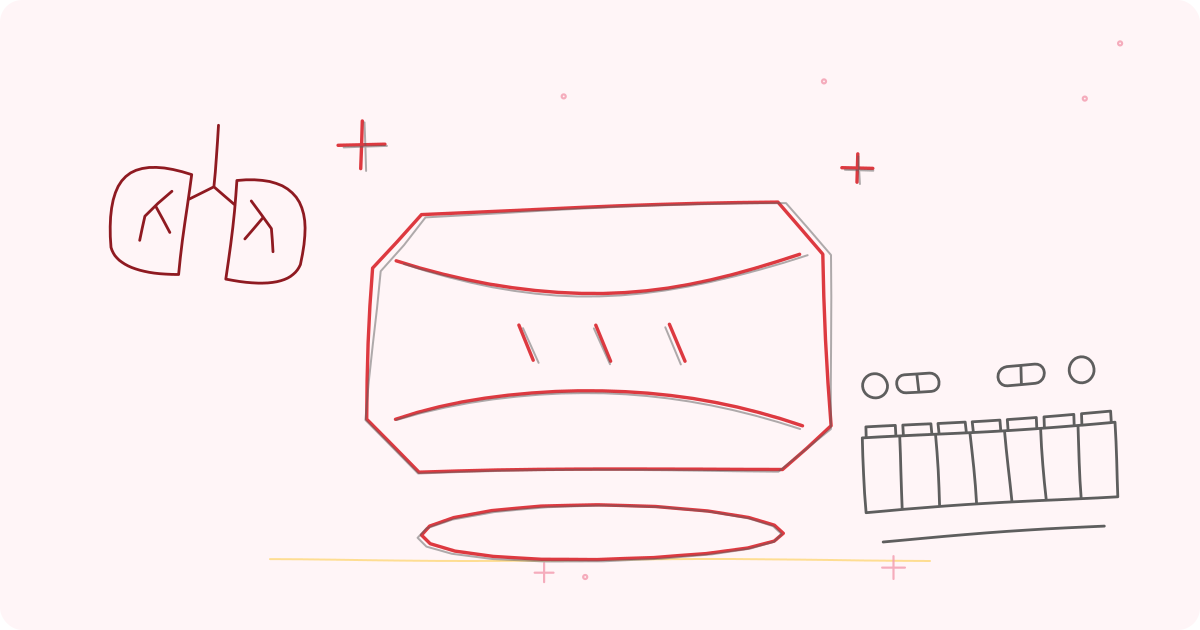
What lives in a pillow
Dust mites. Microscopic creatures that feed on shed human skin and thrive in warm, humid conditions, such as bedding. They are not visible and they do not bite, but their droppings and body parts are a major trigger of allergic asthma, rhinitis and eczema. Mite numbers can reach thousands per gram of dust in an old pillow or mattress.
Mould and fungi. Moisture from sweat, humid weather or damp storage allows mould to grow in the filling and cover. Spores can irritate the airways and trigger asthma and sinus problems.
Bacteria and skin oils. Skin cells, oils and sweat build up, causing odour, yellow staining and, in some people, skin irritation or acne-like spots.
Pet hair and dust.
Body fluids. Drool, urine or discharge in those who are ill or incontinent.
Studies in homes show pillows to be among the most heavily contaminated bedding items, although a well-covered, regularly washed pillow is a much smaller problem.
Signs of an allergy to bedding
- Blocked or runny nose, sneezing and itchy eyes in the morning that ease after leaving the bedroom.
- Coughing or wheezing at night or on waking.
- Itchy skin or worsening eczema.
- Waking tired or with a headache.
- Symptoms that are worse in humid weather or after changing bedding.
If your parent has these signs, ask a doctor for an assessment, since allergy and asthma can look like other conditions; see asthma in older adults.

Washing pillows
Always follow the label. In general:
Synthetic fibre pillows (polyester). Machine washable, usually at 40 to 60 degrees Celsius. Wash two together to balance the drum, use mild detergent, rinse twice and dry thoroughly in a tumble dryer on low or on a line in shade, shaking and turning often until fully dry.
Feather and down pillows. Some can be machine washed on a gentle cycle; many need dry cleaning. Dry thoroughly to avoid mould.
Memory foam and latex pillows. Do not machine wash. Spot clean with mild soap and a damp cloth, then air in shade until fully dry. Use a washable cover.
Cotton and buckwheat pillows. Follow the label; some fillings must be emptied and washed separately.
Dry completely. The most important step. A damp pillow grows mould within days, especially in humid weather. Dry in a ventilated place and check the centre of the pillow.
Wash pillows every three to six months, or monthly for people with allergies or incontinence, if the label allows. A hot wash (60 degrees) or tumble drying at a high temperature kills most dust mites.
Covers and protectors
A cover is the single most effective step.
- Pillow protector. A zipped cover under the pillowcase, made of tightly woven fabric that mites cannot pass through, keeps the pillow clean. Wash it every one to two weeks at 60 degrees if possible.
- Pillowcase. Wash weekly, in hot water where the fabric allows. Cotton is breathable and gentle.
- Mattress protector. Also helps; see mattress protectors for incontinence and bed linen for sensitive older skin.
- Waterproof covers for incontinence, with breathable material to avoid sweating.
Replace worn or torn covers, since small holes let mites and moisture through.
Choosing hypoallergenic pillows
Hypoallergenic pillows are designed to resist mites and mould. Features to look for:
- Synthetic fibre or latex filling, which resist mites better than feather in many cases, and are easier to wash.
- Tightly woven cover and a zipped protector.
- Washable at high temperature.
- Breathable construction to reduce moisture.
Be careful: "hypoallergenic" is not a regulated term in all places, and no pillow is allergy-proof. Washing and covers matter more than the filling. See neck pillows for travel and sleep for shape and height.

Reducing mites and mould in the bedroom
- Keep humidity low. Dust mites thrive above about 60 per cent humidity. In humid cities, use a dehumidifier or air conditioner in the bedroom and ventilate when possible. A hygrometer helps.
- Air bedding. Pull the covers back each morning and let the bed air for an hour. Sun pillows and mattresses occasionally, if the filling allows, and brush off.
- Wash bedding weekly in hot water.
- Reduce clutter and soft furnishings. Heavy curtains, carpets and soft toys collect dust. Wipe surfaces with a damp cloth.
- Vacuum carefully with a vacuum cleaner with a good filter; avoid stirring dust when the person is in the room.
- Consider an air purifier in the bedroom if recommended; see air purifier buying guide.
- Keep pets out of the bedroom if allergic.
- Do not smoke indoors or burn incense in the bedroom; see indoor air quality for older lungs.
- Fix damp walls and leaks, which promote mould.
How often to replace
Pillows lose shape and collect contamination. A rough guide:
- Polyester or fibre pillows: every 6 to 12 months for heavy use, up to 18 months with protectors.
- Feather and down: every 2 to 3 years, with care.
- Memory foam and latex: every 2 to 3 years, or sooner if flattened or crumbling.
Replace sooner if:
- the pillow stays flat and does not spring back after fluffing;
- it smells, even after washing;
- there is yellowing or dark spots (mould or stains);
- your parent's allergy symptoms are worse in bed; or
- the pillow no longer supports the neck.
A simple test: fold the pillow in half. If it does not spring back, it is time to replace it.
Special situations
Asthma and COPD. Keep bedding clean, use protectors and keep humidity down, alongside medicines as prescribed; see copd at home guide and indoor air quality for older lungs.
Eczema and sensitive skin. Soft cotton cases, fragrance-free detergent, and avoiding rough fabrics.
Incontinence or drooling. Waterproof protectors with washable covers; change promptly.
Bedridden patients. Clean, dry linen, careful positioning; see bed linen for sensitive older skin and positioning a bedridden parent.
After illness or infection. Wash or replace bedding, and disinfect shared items.
A simple weekly and monthly routine
A routine keeps the work small. Each morning, pull back the bedding and let the bed air while your parent has breakfast, and open a window if the air outside is clean. Each week, change pillowcases and the sheet, and wash them hot where the fabric allows. Every two weeks, wash the pillow protector and the mattress protector. Each month, wash the pillows themselves if the label allows, drying them completely, and vacuum the mattress and the floor around the bed with a filtered cleaner while your parent is out of the room. Every season, sun the mattress and pillows if the fillings can take it, and check for yellowing, odour or spots. In the monsoon, check cupboards where spare bedding is stored, because stored linen can turn musty. Keep a written chart on the cupboard door so that every carer follows the same routine, and note any days when your parent's breathing or skin is worse, which helps the doctor see whether the bedroom is a trigger.
When to ask a professional
See a doctor if your parent has night-time cough or wheeze, a blocked nose that does not clear, skin rashes or breathing difficulty. An allergy test may identify mites as a trigger. A nurse can advise on hygiene and bedding for people who are bedridden. Our care advisors can help with bedding and a home visit.
Equipment mentioned in this guide
Frequently asked questions
How often should pillows be washed?
Every three to six months for most people, monthly for those with allergies or incontinence, if the label allows. Wash pillowcases weekly and protectors every one to two weeks.
Do dust mites cause asthma?
Dust mite droppings are a major trigger of allergic asthma and rhinitis in sensitive people. Covers, hot washing and low humidity help reduce exposure.
Can I wash memory foam pillows?
Not in a machine. Spot clean and air-dry in shade. Use a washable cover.
How do I know a pillow needs replacing?
When it does not spring back after folding, smells after washing, is stained or mouldy, or your parent's symptoms are worse in bed.
Are hypoallergenic pillows worth buying?
They help if they have a tightly woven cover and wash well, but regular washing, protectors and low humidity matter more.
Sources and further reading
- Global Initiative for Asthma, Global strategy for asthma management and prevention (environmental control and allergen avoidance)
- NICE guideline NG80, Asthma: diagnosis, monitoring and chronic asthma management
- Allergy UK, guidance on house dust mite allergy and bedding
- World Health Organization, Guidelines for indoor air quality: dampness and mould
Tags: pillow hygienedust mite allergyallergy beddingwash pillowsmould in pillowsasthma bedroomCushions, pillows and comfortCervical neck pillowBreathing supportIncontinence and hygiene
This article is for general education and is not medical advice. Speak to your doctor before changing your exercise, diet or medicines.