Who is at greatest risk
- Anyone over sixty-five, and especially over eighty.
- Living alone, bedridden, or unable to move, drink or open windows without help.
- Dementia or confusion, which reduce awareness of thirst and heat; see caring for a parent with dementia at home.
- Heart disease, kidney disease, diabetes, lung disease and Parkinson's disease.
- Medicines that increase urine, lower blood pressure, or affect sweating or alertness; never stop a medicine on your own, but ask the doctor in advance how to manage it in hot weather; see medicine side effects families should watch for.
- Diarrhoea, vomiting or fever; see diarrhoea and dehydration in seniors.
- Alcohol use, and obesity or very low body weight.
- Living on a top floor, in a small hot room, a tin roof or without a fan or cooler.
- Working or walking outdoors in the afternoon, for example in markets, gardens and pilgrimages.
- Frequent power cuts; see power cuts and older adults.
Keeping the home cool
- Know the forecast. Check for heat alerts during the season.
- Keep the person in the coolest room, usually a lower floor, shaded and north-facing.
- Close curtains, shutters or reflective sheets on sun-facing windows during the day; open windows at night and early morning if outside air is cooler. See temperature and ventilation at home.
- Use fans, coolers or air conditioning as available. A fan alone may not be enough above about thirty-five degrees; combine with damp cloths and fluids. Keep air flowing but not blowing straight at someone with severe stiffness or chest problems.
- Do not use ovens or stoves unnecessarily in the hottest hours; cook early.
- Check room temperature with a thermometer; aim to keep rooms below about thirty degrees where possible and act if indoor temperatures climb above thirty-two.
- Plan for power cuts: keep a battery fan, a charged phone, water stored and a place to go; see hospital bed electricity and power cuts.
- Bedridden or bed-bound people need extra attention; see summer heat and bedridden care.
Clothing and bedding
- Loose, light-coloured cotton clothes.
- Light cotton sheets; avoid plastic-backed or heavy covers; see bed linen for sensitive older skin.
- A damp cloth on the neck, forehead and wrists; a lukewarm sponge bath or shower using a shower chair; see bathing safely with a shower chair.
- A hat or umbrella, light shoes and sunglasses if going outside.
Drinking enough
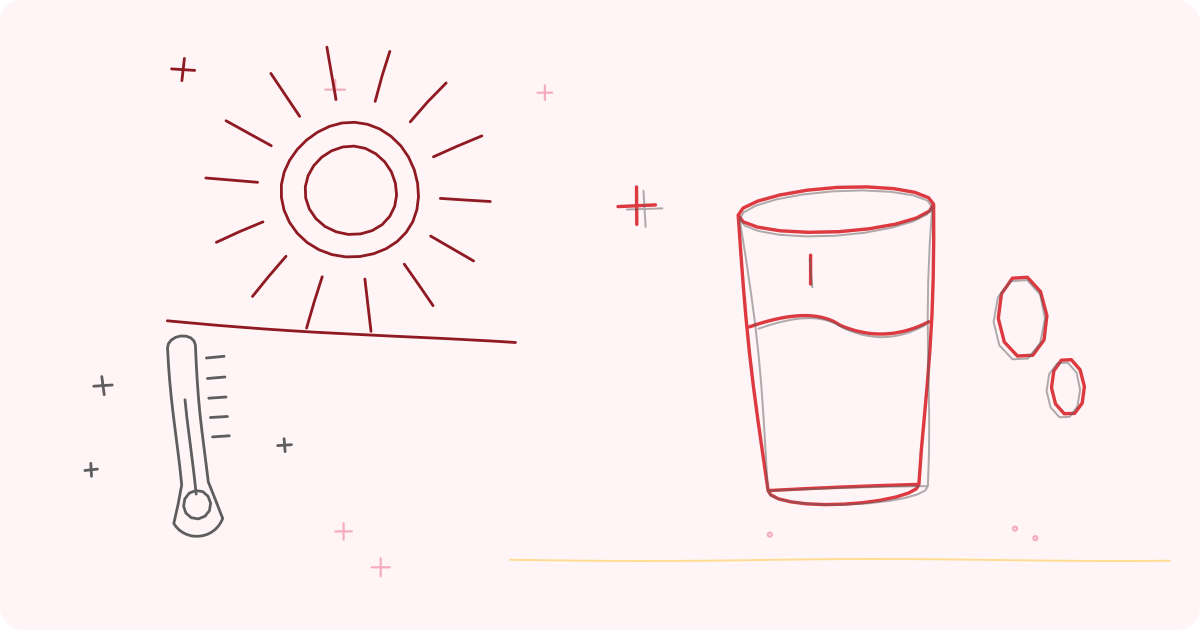
Thirst is a poor guide in older age. Offer fluids regularly rather than waiting to be asked.
- Fix a routine: a glass at waking, with each meal, mid-morning, mid-afternoon, evening and bedtime; see hydration for older adults: how much and how to remember.
- Keep water visible and within reach, in a cup that is easy to hold; see easy-grip cutlery guide for adapted tableware ideas.
- Variety helps: water, buttermilk, thin lassi, nimbu pani with a little salt and sugar, coconut water, soups, dilute fruit juice, and watery foods such as cucumber, watermelon, oranges and curd rice.
- Oral rehydration solution can help when sweating a lot or after loose motions; follow the packet and the doctor's advice.
- Limit strong tea or coffee, alcohol and very sugary drinks in heat.
- Check urine colour: pale straw is good; dark yellow suggests the person needs more fluid.
- Special conditions: if your parent has heart failure, kidney disease, or has been told to restrict fluids, ask the doctor for a summer plan in advance, not on the day of the heatwave; see heart failure at home: daily checks and warning signs and chronic kidney disease: home care guide.
- Diabetes: check sugar more often in heat if advised; see diabetes after 60: a home care guide.
- Difficulty swallowing: ask the therapist about safe fluids; see swallowing problems (dysphagia) in older adults.
Daily routine in a heatwave
- Avoid going out between about eleven in the morning and four in the afternoon.
- Schedule walks and exercise for early morning or evening, indoors if hot; see exercise in summer and monsoon indoors.
- Check on elderly people living alone twice a day by phone or in person; see home safety for seniors living alone.
- Measure and note temperature, pulse, blood pressure and weight if unwell; see how often to check vitals.
- Keep emergency numbers visible; see ambulance and emergency numbers in India.
Recognising the stages
### Dehydration
- Dry mouth, cracked lips, little or dark urine, headache, tiredness, dizziness on standing, constipation, sunken eyes, and confusion or irritability in older people.
- Action: move to a cool place, give small sips of fluid frequently, rest and recheck. Ask a doctor the same day if it does not improve quickly, or if vomiting, diarrhoea or fever is present.
### Heat exhaustion
- Heavy sweating, cool, pale and clammy skin, fast weak pulse, headache, dizziness, nausea or vomiting, muscle cramps, weakness, fatigue and fainting. Body temperature is usually below about forty degrees. - Action: 1. Move the person to a cool place immediately and lay them down, raising the legs slightly. 2. Remove excess clothing; apply cool, damp cloths and fan them. 3. Give small sips of cool water or oral rehydration fluid if fully awake and able to swallow safely. 4. Call the doctor; if no improvement in about thirty minutes, or if the person vomits, seems confused or worsens, call 112.
### Heat stroke: emergency
- Very hot skin, which may be dry or sweaty; body temperature of about forty degrees or more.
- Confusion, agitation, slurred speech, drowsiness, fits, or loss of consciousness.
- Rapid pulse, fast breathing, throbbing headache, vomiting.
- Heat stroke can start with just feeling unwell and confused.
Call 112 immediately. Then, while waiting: 1. Move the person to the shade or a cool room; lay them down. 2. Cool the body quickly: remove clothing, spray or sponge with cool (not ice-cold) water, fan constantly, and place cool wet cloths or ice packs wrapped in cloth on the neck, armpits and groin. A cool bath may be used if safe and the person is conscious and can be supported. 3. Do not give fluids if the person is drowsy, confused or vomiting, as there is a risk of choking. If awake and alert, small sips may be given. 4. Do not give medicine to bring down the temperature; the usual fever tablets do not work in heat stroke. 5. If the person becomes unconscious, place them on their side if breathing, and begin CPR if they are not breathing, following the call handler's instructions. 6. Continue cooling until help arrives and the temperature, if measured, falls to a safer level.
Heat stroke needs hospital care even if the person seems to recover.
After a heat illness
Recovery may take days to weeks. Rest in a cool place, drink regularly, avoid heat and exertion until the doctor agrees, and report headache, dizziness, confusion or reduced urine. Review medicines and the home cooling plan to prevent a repeat.
Planning ahead
Before summer, review: working fans or coolers, a battery backup, a thermometer in the main room, ORS or salt and sugar at home, a medicine plan with the doctor, a daily check routine for relatives or neighbours, and a list of nearby hospitals; see seasonal home equipment guides for city-specific tips, and volunteers, neighbours and community help.
When to ask a professional
Ask the doctor before summer about fluids, medicines and conditions such as heart, kidney and diabetes. Ask a pharmacist about heat-sensitive medicines and storage. Seek urgent help for any sign of heat stroke or severe dehydration; call 112.
Equipment mentioned in this guide
Frequently asked questions
How much should an older person drink in summer?
It depends on health. Many older adults need roughly six to eight glasses a day, more in heat, but those with heart or kidney conditions must follow doctor advice.
Is a fan enough to keep my father safe?
In very high temperatures, fans alone may not prevent overheating. Add damp cloths, fluids, shade and a cooler room, and watch for symptoms.
Should I give a fever tablet for heat stroke?
No. Cool the body physically and call 112.
Is it safe to give ice-cold water?
Cool fluids are fine, but very cold drinks may cause stomach upset. Cool, not iced, water is better for rapid cooling baths and sponging.
What are the earliest warning signs?
Unusual tiredness, dizziness, headache, dark urine, little urine, cramps, confusion or irritability. Act early.
Sources and further reading
- National Disaster Management Authority, India, guidelines for preventing and managing heat wave
- World Health Organization, heat and health fact sheet
- Indian Council of Medical Research and National Centre for Disease Control, heat-related illness guidance
- National Institute for Health and Care Excellence, Clinical Knowledge Summary on heat illness
Tags: heat strokeheat exhaustiondehydrationsummer careelderly heat safetycoolingwater intakeConditions and devicesHealth monitoring devicesHealthy ageing
This article is for general education and is not medical advice. Speak to your doctor before changing your exercise, diet or medicines.