Why older adults are more vulnerable
- Weaker sweating and shivering, so the body cools and warms itself less well.
- Blunted thirst, so dehydration comes quietly.
- Reduced circulation and thinner skin, so heat and cold are felt later.
- Medicines: some lower blood pressure, increase urination, affect sweating or cause drowsiness; see medicine side effects families should watch for. Never change a medicine yourself because of the weather; ask the doctor.
- Conditions: heart, kidney, lung and neurological disease, diabetes, dementia and frailty.
- Mobility: an older person who cannot easily move may not be able to open a window, switch a fan or fetch water or a blanket.
- Living alone, or being left alone during the hottest or coldest hours.
A comfortable range, and how to check it
There is no single perfect temperature. A rough guide in many health guidance documents is to keep the main living room comfortably warm in winter, around eighteen to twenty-one degrees, and the bedroom not much colder, and to keep rooms from becoming hot enough to cause distress in summer, with action when they climb towards the mid-thirties. Individual needs vary, so watch your parent: are they shivering, flushed, sweaty, drowsy, irritable or complaining? A simple room thermometer in the rooms they use most, and a digital body thermometer for when they seem unwell, take the guesswork out; see digital thermometer guide and air quality monitor for homes. Check the temperature at the times of day when it is worst: mid-afternoon in summer, early morning in winter.
Keeping cool in summer
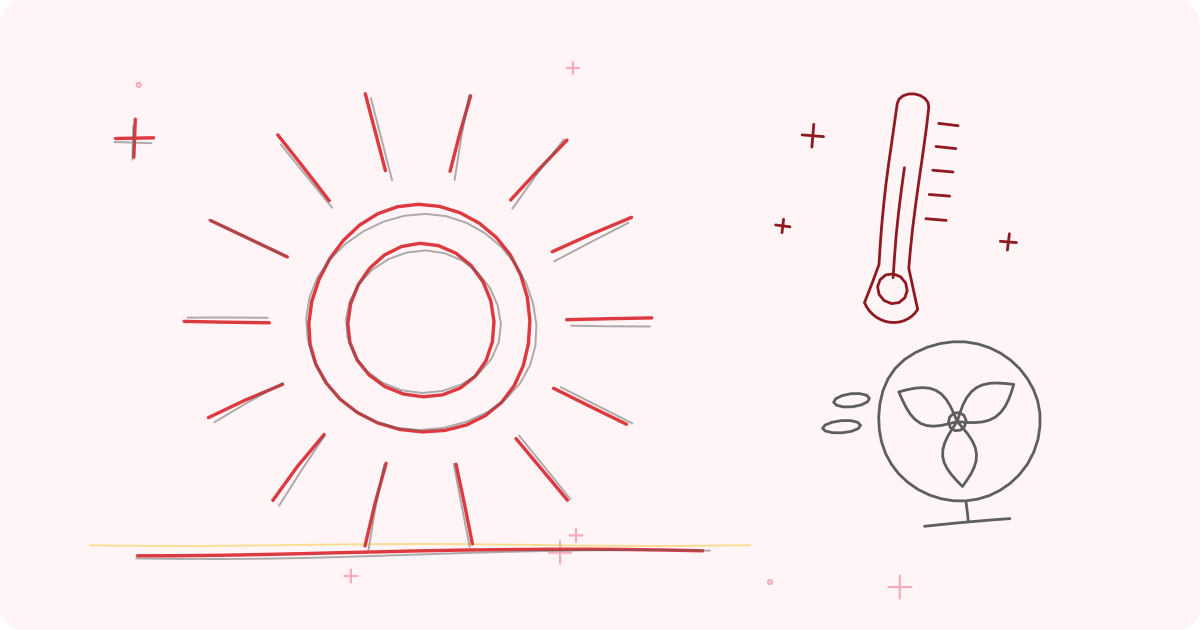
- Block the sun before it enters: curtains, blinds, reflective film or external shades on sun-facing windows; keep them closed through the day.
- Ventilate at the right times: open windows at night and early morning when outside air is cooler; close them when the outside is hotter than inside.
- Use fans sensibly: a fan moves air and helps sweat evaporate, but in very high heat it may not be enough on its own, and a fan blowing directly on a stiff or chesty person can cause discomfort.
- Coolers and air conditioning: a desert cooler works best in dry heat and adds humidity, which can be unhelpful in humid weather; air conditioning cools reliably but should be set to a moderate temperature, not very cold, with clean filters and the person not sitting directly in the draught.
- Choose the coolest room: usually a lower floor, north-facing and shaded; keep the older person there in the hottest hours.
- Reduce heat sources: avoid cooking in the hottest hours, switch off unnecessary lights and appliances and avoid ovens.
- Light clothing and bedding: loose cotton clothes, cotton sheets and breathable cushion covers; see cushion covers and cleaning.
- Cool washing: lukewarm showers with a shower chair, and a damp cloth on the neck and wrists; see bathing safely with a shower chair.
- Fluids: offer drinks regularly, unless fluids are limited for heart or kidney disease; see hydration for older adults.
- Plan for power cuts: a battery fan, a rechargeable light, water and a charged phone; see power cuts and older adults.
- Bedridden people need regular checks; see summer heat and bedridden care.
Watch for heat illness. Early signs are tiredness, headache, dizziness, nausea, cramps and heavy sweating; heatstroke brings confusion, hot dry skin, a rapid pulse and collapse. Move the person to a cool place, give fluids if they are awake and call 112; see heat stroke and dehydration in seniors.
Keeping warm in winter
- Heat the room where your parent spends the day, and keep the door shut; one warm room is better than a cold house.
- Block draughts: curtains, door and window gaps, door snakes and rugs placed carefully so they do not create trip hazards.
- Let in sunshine during the day, and close curtains at dusk.
- Layers: a vest, a shirt, a sweater, a shawl, a cap, warm socks and non-slip footwear; thin layers trap air better than one thick garment.
- Warm bedding: layered blankets or a quilt; a hot water bottle or hot pack must be used carefully, with a cover and never on numb or fragile skin; see hot pack safety for older skin and cold weather warmth hot packs and layers.
- Warm food and drinks through the day.
- Avoid sudden cold: warm the bathroom before bathing, and avoid stepping from a warm bed onto a cold floor.
- Keep moving gently indoors; see chair exercises for seniors.
- Know the signs of cold illness: shivering, cold pale skin, confusion, slowness, slurred speech and drowsiness may signal hypothermia; call 112 and warm the person gently; see cold weather health risks for seniors.
Heaters, geysers and fire safety
Heating brings its own dangers. - Use heaters with a tip-over cut-off, placed on a stable surface, away from bedding and curtains. - Never use charcoal, coal, wood or dung-cake fires in a closed room; they release carbon monoxide, an invisible, odourless poison. - Gas geysers must be vented outside and never used in a closed bathroom. - Never dry clothes on a heater or leave one unattended or running while sleeping in a sealed room. - Watch cables and sockets, avoiding overloaded boards. - Headache, drowsiness, nausea and confusion near a heater may signal carbon monoxide: open doors and windows, move everyone to fresh air and call 112. See safe use of heaters and geysers and smoke and gas safety for older adults.
Ventilation and air quality
Fresh air matters for breathing, mood and sleep. - Ventilate daily: open windows for short periods when outdoor air is better, which is often early morning or after rain; cross-ventilation clears stale air. - Cooking: use an exhaust fan or chimney, and keep doors open when cooking; smoke and fumes irritate the chest. - Bathrooms: an exhaust fan or open window reduces damp and mould; see pest damp and mould at home. - Bad-air days: when outdoor pollution is high, keep windows shut and use an air purifier in the room where your parent rests; see air purifier buying guide, pollution season plan for seniors and indoor air quality for older lungs. - Sleeping rooms: avoid sealing a room completely; a small opening or vent helps, particularly where heaters or coolers are in use. - Avoid smoke: no smoking indoors, and take care with incense, mosquito coils and candles, which add smoke and risk fire. - Mosquito protection without closing off air: screens and nets rather than sealed rooms.
Humidity
Too much humidity encourages mould, dust mites and fungal skin infections; too little dries the nose, throat, skin and eyes. - Damp: fix leaks, ventilate, dry laundry thoroughly, and use a dehumidifier where damp is persistent. - Dry air: moisturise skin, drink fluids, and avoid using heaters or air conditioning in a way that dries the room; a bowl of water is of limited help. - Coolers: in humid weather, they can add to the dampness. See itchy, dry and fragile skin in older adults.
Special situations
- Dementia: a person may not recognise or report heat or cold; check the room, dress them appropriately and watch for signs; see caring for a parent with dementia at home.
- Bedridden or wheelchair users: they cannot move away from heat or cold; check often; see positioning a bedridden parent.
- Oxygen users: keep oxygen away from heaters and flames; see safe use of oxygen and electrical equipment.
- Heart, kidney and lung conditions: ask the doctor about fluids and activity in hot or cold weather.
- Diabetes: heat can affect diabetes supplies and strips, and cold can hide foot injuries; see diabetic foot care at home.
- Living alone: arrange regular checks during heat waves and cold snaps; see home safety for seniors living alone.
A daily check routine
Morning: check the room thermometer, open or close windows as needed, set the fan or heater, put out water and plan clothes. Afternoon or evening: check again; ask how your parent feels; look for drowsiness, flushing, shivering or confusion. Night: set the room for sleep: a safe heater or cooler, a light route and bedding suited to the season. Keep a note of unusual readings and the doctor's advice; see monthly home safety check.
Common mistakes
- Relying on how the room feels to you, not to your parent.
- Using a charcoal heater in a closed room.
- Fan blowing directly on a person all night.
- Keeping all windows shut in hot weather with no cooling.
- Putting a hot water bottle against numb skin.
- Waiting for thirst before offering a drink.
- Reducing fluids to avoid night-time toilet trips without asking the doctor.
When to ask a professional
Ask the doctor about fluids, medicines and conditions that matter in hot or cold weather. Ask an electrician or gas supplier to check heaters, geysers and wiring. Ask an occupational therapist about the home. Call 112 for confusion, hot dry skin, collapse, shivering that stops with drowsiness, chest pain, severe breathlessness or suspected carbon monoxide poisoning.
Equipment mentioned in this guide
Frequently asked questions
What room temperature is right for an older person?
Comfort varies. Many guides suggest a warm living room in winter and avoiding rooms that become very hot in summer. Watch your parent and use a thermometer.
Is air conditioning safe for seniors?
Yes, at a moderate setting, with clean filters and no direct draught. Very cold rooms can chill and stiffen.
Can we keep a heater on all night?
Only a safe model with a cut-off, in a ventilated room, and ideally not in a sealed room. Never use charcoal.
Why do older people not feel the heat?
Weaker sweating, blunted thirst and some medicines mean they notice later. Check on them.
Sources and further reading
- National Disaster Management Authority, India, guidelines on heat wave and cold wave
- World Health Organization, heat and health fact sheet and housing and health guidelines
- National Institute for Health and Care Excellence, NG6 Excess winter deaths and illness and the health risks associated with cold homes
- Central Pollution Control Board, National Air Quality Index advisories
Tags: room temperatureventilationheat and coldfans and coolersheatershumidityelderly comfortSetting up the homeHealth monitoring devicesBreathing support
This article is for general education and is not medical advice. Speak to your doctor before changing your exercise, diet or medicines.