Hip precautions: why equipment matters
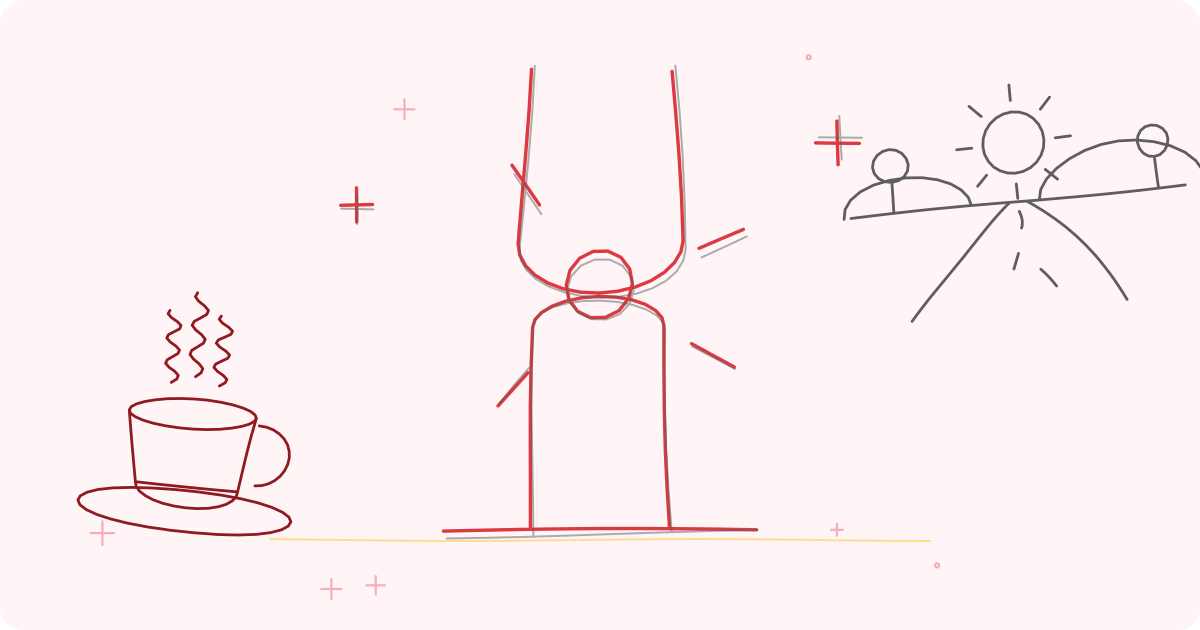
Many surgeons advise patients to follow hip precautions for a number of weeks after a hip replacement, depending on the surgical approach and the surgeon. Typical precautions include avoiding:
- bending the hip beyond about 90 degrees (for example, bending forward to put on socks, picking up objects from the floor or sitting in low chairs);
- crossing the legs or ankles;
- twisting or turning the operated leg inward;
- sleeping on the operated side without a pillow between the knees, if advised.
Some surgeons use less restrictive or no precautions, particularly with newer approaches. Do not assume; ask. See also bathroom setup after hip replacement and hip fracture recovery at home. Equipment helps follow the rules without strain.
Before surgery
If the operation is planned, set up the home before admission; see joint replacement prehabilitation.
- Arrange ground-floor living if possible, and a plan for stairs; see stairs, steps and thresholds.
- Clear the home: remove loose rugs and cables, make a wide path and place a night light; see flooring, rugs and trip hazards.
- Prepare meals in advance.
- Arrange help, family or attendant, for the first two weeks; see hiring a home attendant checklist.
- Get equipment delivered and tried before surgery, so that the patient knows how to use it. Ask the hospital's occupational therapist for a list and a pre-operative assessment.
- Practise getting on and off the chair, bed and toilet with the new aids.
- Buy or rent according to need; see equipment to rent vs buy checklist.
Walking aids
- Walker or frame, or crutches, for the early weeks, with technique taught by the physiotherapist. Height should put the grips at the wrist crease; see walking frame buying guide, walking frame after hip or knee surgery and how to use a walking frame correctly.
- A tray or bag to carry items.
- A stick later, held in the hand opposite the operated hip, when advised; see how to choose a walking stick.
- Rubber ferrules in good condition; see walking stick rubber tips.
- Supportive, non-slip shoes with a closed back, not slippers; see choosing shoes for older feet.
Chair and seating
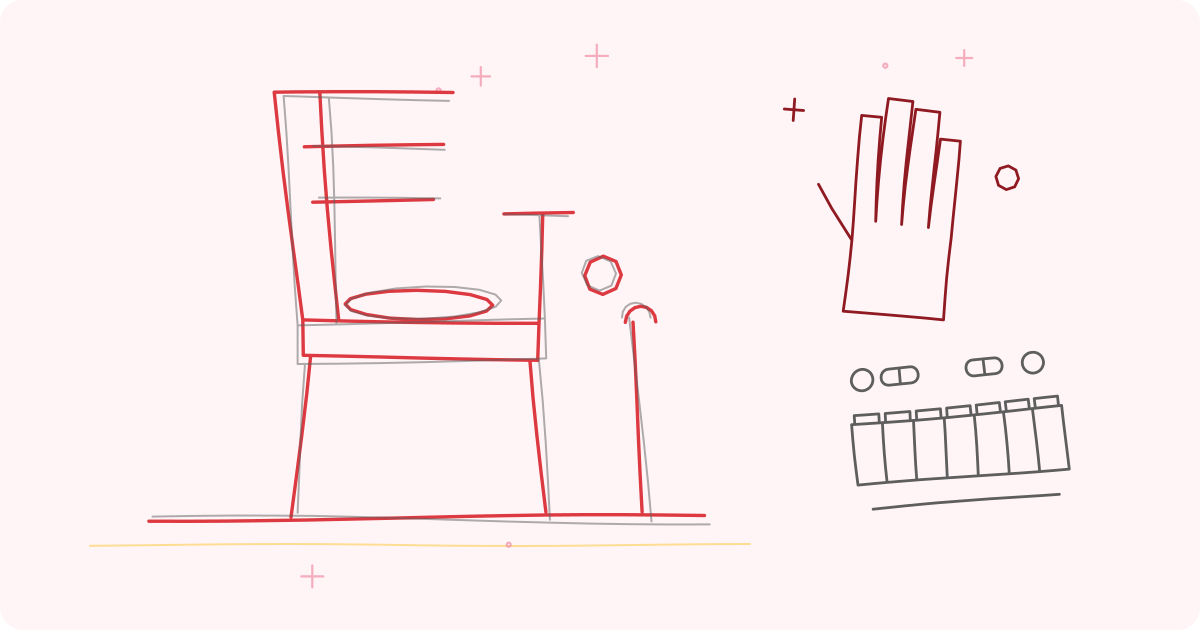
- A firm chair with arms and a high seat, so hips are above knees, usually about 45 to 55 cm seat height. See choosing a chair for an older person and living room and seating setup.
- A firm cushion or foam block to raise a low chair. Avoid low sofas, soft armchairs and recliners that sink.
- Back support, with a rolled towel or lumbar cushion if comfortable; see also cushions after hip replacement.
- A footstool, but follow advice on leg position.
- Do not sit on the floor or on very low stools.
Bed
- Bed height so that feet are flat on the floor when sitting on the edge and hips are slightly higher than knees; see bed height and getting out of bed. Use bed raisers if needed.
- A firm mattress.
- A pillow between the knees at night, if advised, and positioning as taught.
- A leg lifter, a strap with loops, to lift the operated leg in and out of bed.
- A bedside commode for the first nights, if the toilet is far; see commode chair guide and bedside commode and urinal routines.
- Bedside table with water, phone, medicines and a call device; see bedside essentials checklist.
- A hospital bed is rarely needed unless there are other problems; see hospital bed buying guide.
Bathroom and toilet
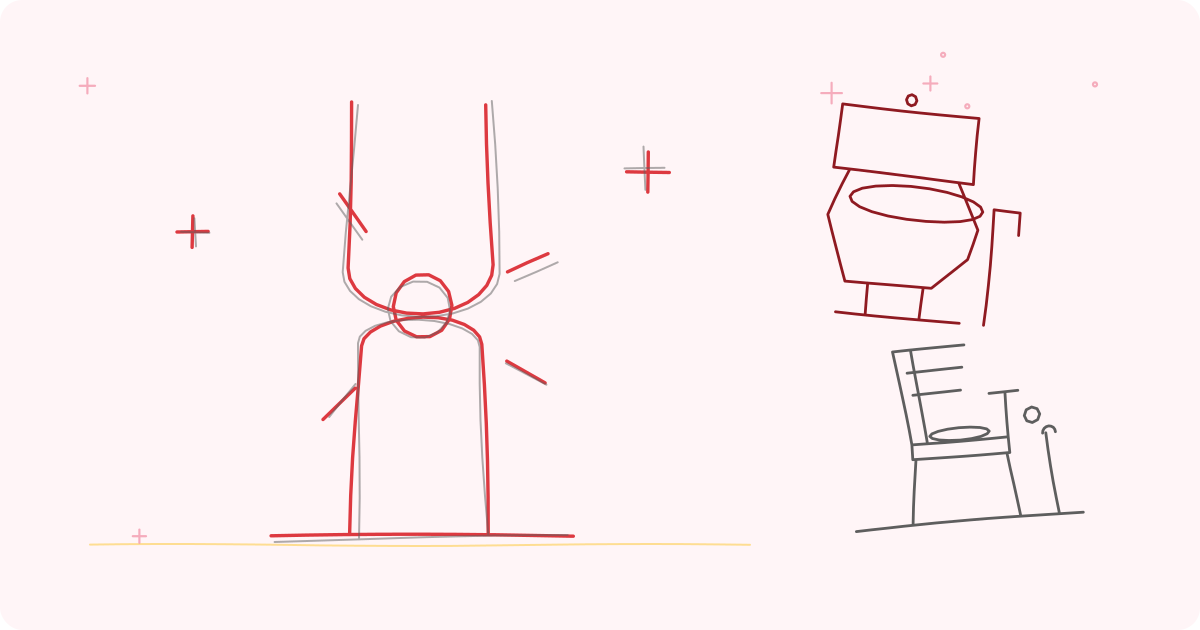
- Raised toilet seat, often 10 to 15 cm, with or without arms, or a toilet frame, to keep hips above knees; see raised toilet seat guide and toilet frame guide. A squat toilet is not suitable in early recovery; use a Western toilet or commode; see adapting an Indian bathroom for knees and hips.
- Shower chair or stool, at a height that keeps the hips above the knees, plus a handheld shower; see shower chair buying guide and handheld shower guide.
- Bath transfer bench if you have a tub; avoid deep tubs for the early weeks; see bath transfer bench guide.
- Grab bars at the toilet and shower; see grab bar buying guide.
- Long-handled sponge for washing legs and feet, and a long-handled toilet aid to wipe without bending, if you follow bending restrictions.
- Non-slip mat or floor treatment; see non-slip bath mats.
- A bidet spray or water source within reach.
- Keep the wound dry until advised.
Dressing and reaching aids
These are essential for those following hip precautions.
- Sock aid: a plastic or cloth sleeve that lets you pull socks on without bending; see dressing aid guide.
- Dressing stick, to pull trousers and underwear over the feet.
- Long-handled shoe horn, and slip-on or elastic-lace shoes.
- Reacher or grabber for picking up items from the floor and low shelves; see reacher grabber guide.
- Leg lifter.
- Loose, elastic-waist clothing that is easy to put on.
- Sit to dress on a firm chair or the bed edge, with the operated leg dressed first and undressed last.
Kitchen and daily tasks
- A trolley or walker tray to carry plates and cups.
- Items placed at waist to shoulder height, to avoid bending and stretching; see kitchen setup for seniors.
- Easy-grip tools if hands are weak; see arthritis daily living gadgets.
- Lightweight pots and a perching stool.
- Avoid carrying hot items while using a walker.
Pain, swelling and clot prevention
- Ice packs wrapped in cloth for 10 to 15 minutes, to ease swelling and pain, never directly on the wound or skin; see heat or cold for joint pain.
- Compression stockings if prescribed; they need proper fit and skin checks; see compression stockings guide and measuring, sizing and putting them on.
- Leg exercises as taught: ankle pumps, gentle walking.
- Blood-thinning medicine if prescribed: take exactly as directed.
- Pain relief as prescribed; avoid adding other medicines without asking; see painkillers and older adults.
- A thermometer to check for fever; see digital thermometer guide.
- A pill organiser; see pill organiser guide.
Exercise and rehabilitation
- Follow the physiotherapist's plan; see rehabilitation after fracture or surgery: physio plan.
- Equipment may include a firm bed for exercises, a strap, resistance bands later, and a sturdy chair; see resistance bands guide and gentle exercises for knee and hip pain, noting that after hip replacement, some of these movements are restricted until cleared.
- Balance work is introduced later; see balance exercises for seniors.
- Walking: increase distance gradually.
Car, travel and outings
Sitting in a low car seat breaks hip precautions. Use a firm cushion, recline the seat, move the seat back and learn the transfer from the therapist; see getting an elderly person in and out of a car. Avoid long journeys early on; take breaks to walk. See travel with an elderly parent checklist.
Safety at home
- Falls are the main danger. Keep floors clear and dry, wear proper footwear, use night lights and take your time. See falls risk assessment at home.
- A way to call for help, especially when alone; see panic pendant buying guide.
- Pets: keep them from underfoot.
- Do not rush to the door or phone.
- If a fall occurs, see what to do after a fall.
Warning signs: contact the team
- Sudden severe hip pain, a leg that looks shorter or turned outward, or inability to bear weight.
- A fall onto the hip.
- Wound redness, heat, swelling, discharge, or fever.
- Calf pain, swelling or warmth; sudden breathlessness or chest pain (emergency; call for help).
- Numbness or weakness in the leg or foot.
- Constipation or urinary problems that do not settle.
- Severe pain not controlled by prescribed medicines.
When to ask a professional
Speak to your surgeon for hip precautions, wound care and when to progress. A physiotherapist can teach walking aids, transfers and exercises. An occupational therapist can assess the home and recommend equipment, including dressing aids. A nurse can advise on wound care and medicines. A doctor should be told about fever, new swelling or breathing problems.
Equipment mentioned in this guide
Frequently asked questions
What equipment do I need after a hip replacement?
Usually a walking aid, a raised toilet seat or frame, a shower seat, a firm high chair, a reacher, a sock aid and long-handled shoe horn, and non-slip shoes. Your surgeon's team will tell you what applies to you.
Do I need a raised toilet seat after hip surgery?
Often yes, particularly if you have been told not to bend the hip past 90 degrees. The raised seat keeps hips higher than knees. Follow your team's advice.
Can I use my low sofa?
Usually not early in recovery. Use a high, firm chair with arms, or raise the seat with a firm cushion.
Can I rent equipment?
For many items, yes. Check hygiene, fit and delivery before surgery, and make sure items are tested.
Sources and further reading
- NICE guideline NG157, Joint replacement (primary): hip, knee and shoulder
- American Academy of Orthopaedic Surgeons, OrthoInfo patient information on total hip replacement and recovery
- Chartered Society of Physiotherapy, patient information on hip replacement rehabilitation
- Royal College of Occupational Therapists, guidance on recovery after hip surgery
Tags: hip replacement recoveryequipment after hip surgeryhip precautionssock aidraised toilet seatwalker after hip replacementJoint and pain supportBathroom and toilet safetyDaily living aidsMobility and walking aids
This article is for general education and is not medical advice. Speak to your doctor before changing your exercise, diet or medicines.