What a surgeon is trying to protect
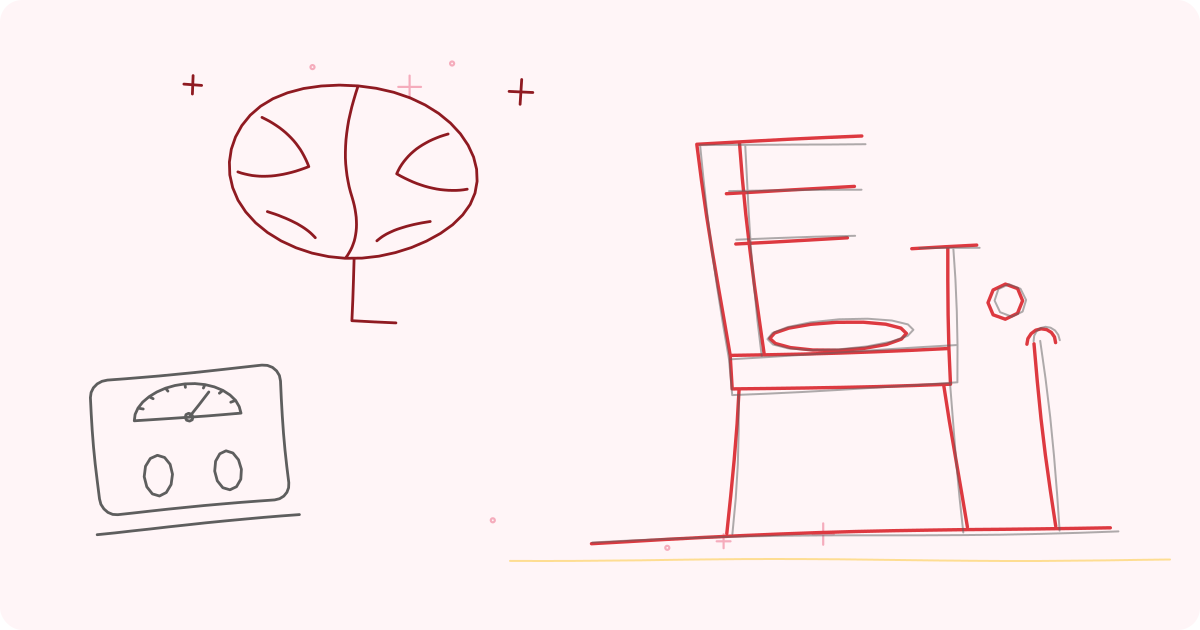
In a hip replacement, the ball-and-socket joint is replaced by an artificial one. Until the muscles and tissues around it heal, usually six to twelve weeks, the hip is more liable to dislocate if it is bent too far, twisted or crossed. How much risk depends on the surgical approach, and many surgeons now use approaches that need fewer restrictions. Some patients are given strict "hip precautions"; others only general advice. Typical precautions, if given, include:
- Do not bend the hip beyond about 90 degrees. This means no deep sitting, no bending down to the floor and no low chairs.
- Do not cross the legs or ankles.
- Do not twist the leg inwards or pivot on the operated leg.
- Keep the legs slightly apart when sitting and lying, sometimes with a pillow between the knees at night.
These precautions vary by surgeon and approach. Always follow your own surgeon's and physiotherapist's instructions. This article is general information only.
Why seat height matters
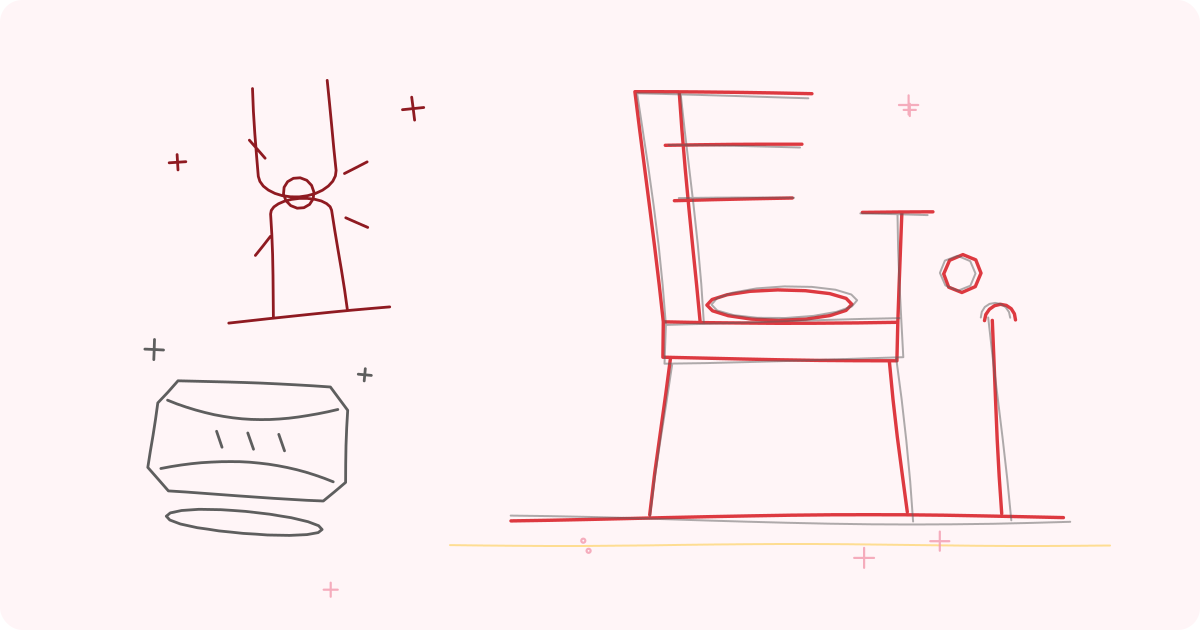
When you sit on a low seat, your knees rise above your hips and the hip bends beyond 90 degrees. A higher seat keeps the hip at or below that angle, so the knees are level with or lower than the hips. It also makes standing easier, which protects the joint from the strain of pushing up from a low position.
A good target is a seat height of about 45 to 55 cm (18 to 22 inches), or whatever the physiotherapist recommends. Measure from the floor to the top of the seat when someone is sitting. Check that the person's feet remain flat on the floor, or on a firm footstool if the chair becomes too high.
Raising the seat with cushions
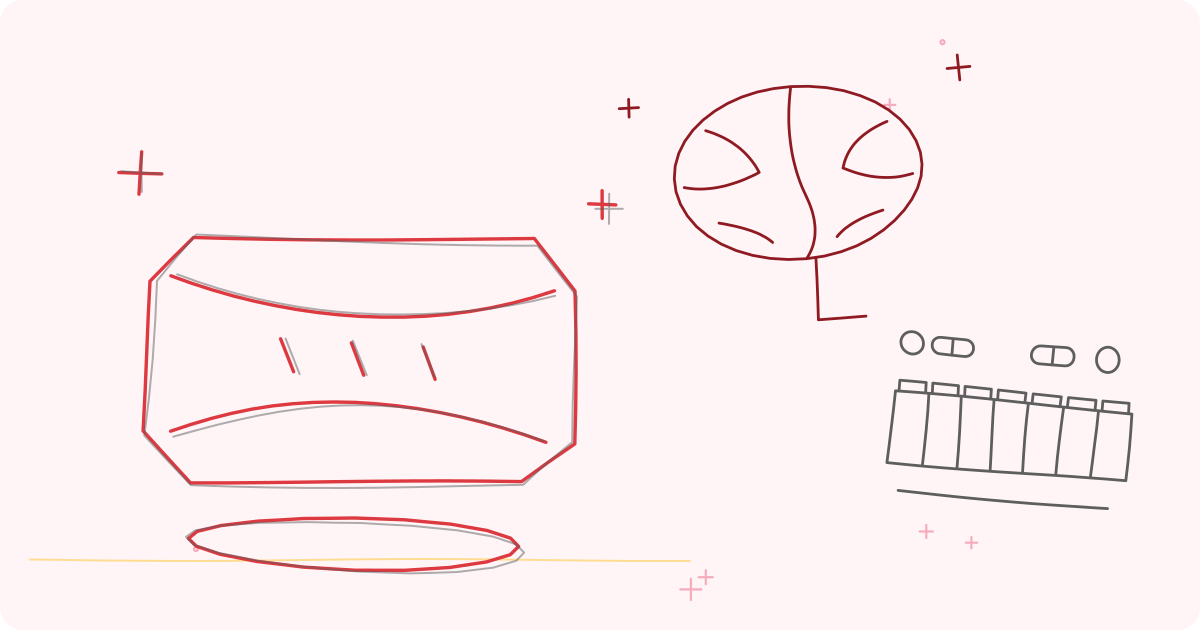
Firm foam cushions. A firm, high-density foam cushion, 5 to 10 cm thick, is the simplest way to raise a low chair or sofa. Avoid soft foam or pillows, which compress and let the hip bend too far. See seat cushions for older adults.
Layered cushions. Two firm cushions can be stacked if needed, but make sure they are stable and do not slide; a stack on a slippery chair is a fall risk. A single thick firm cushion is better.
Wedge cushions. A wedge that tilts the seat forward opens the hip angle. Ask your physiotherapist if one is suitable.
Chair raisers. Blocks or risers under the chair legs lift the whole chair. They must be secure and well matched to the chair.
Firm chairs with arms. Better than soft sofas. Choose a chair that already has the right height; see choosing a chair for an older person.
Rental or lift chairs. In some cases, a rise-and-recline chair is used temporarily; ask the therapist.
Seating around the home
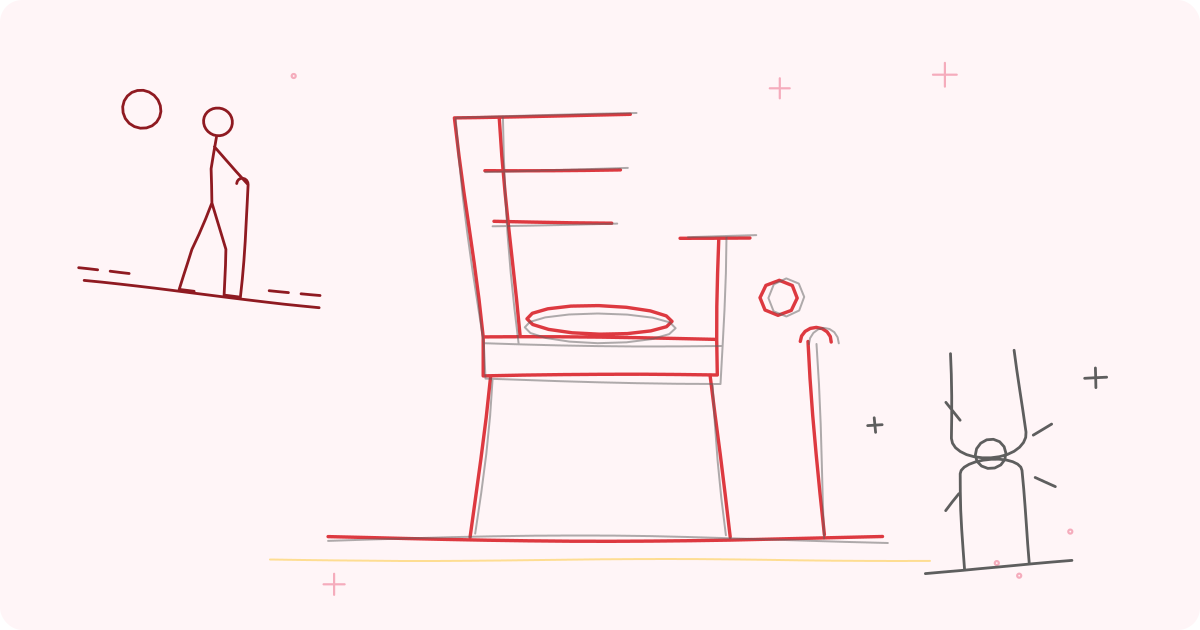
Armchair and sofa. Use a firm, high, armed chair, with a firm cushion on the seat. A deep soft sofa is hard to rise from and often too low. If the family sofa is soft, set up a dining chair with arms and a cushion as the main seat in the first weeks.
Dining chair. A firm chair with arms, with a cushion if needed. Sit well back and keep the feet flat.
Toilet. Most toilets are too low. A raised toilet seat or a frame makes sitting and standing safe; see raised toilet seats, toilet frames and bathroom setup after hip replacement. Squat toilets must not be used. For those in Indian homes with a squat toilet, use a commode chair or a raised toilet chair; see commode chairs.
Bed. The bed should be at a height so that when you sit on the edge, the hips are higher than the knees, about 50 to 55 cm. A firm mattress and perhaps a second mattress or risers help. Use a pillow between the knees if advised. Do not sleep on the operated side unless allowed.
Car. Move the seat back and recline it; sit down using a cushion if the seat is low; avoid bending the hip beyond 90 degrees; swing the legs in together, without twisting. See getting an elderly person in and out of a car and car seat cushions for older passengers.
Shower chair. Use a shower seat with a raised height and a handheld shower; see shower chairs and stools.
How to sit and stand safely
Sitting:
1. Walk to the chair and turn so your back faces it, using your walker or sticks. 2. Back up until you feel the chair touch the backs of your legs. 3. Reach back for the arms, one at a time. Extend the operated leg slightly forward as you lower, if your therapist teaches it. 4. Lower slowly, keeping the back straight and not leaning forward past 90 degrees. 5. Sit well back with hips and knees below or level with each other, feet slightly apart.
Standing:
1. Slide to the edge of the seat. 2. Place the feet slightly apart, the operated leg forward if advised. 3. Push down on the arms of the chair and stand, without leaning far forward. 4. Pause before taking the walker; see walking frame after hip or knee surgery.
Never sit in a low chair, cross the legs or lean forward to put on shoes or socks. Use a long-handled shoehorn and a sock aid; see dressing aids.
What to avoid
- Low, soft sofas and chairs, deep recliners with a low seat.
- Bar stools or high chairs without arms.
- Crossing the legs at the knee or ankle.
- Sitting for hours without moving; get up every 30 to 60 minutes and walk a little.
- Deep bending to pick things from the floor; use a reacher; see reachers and grabbers.
- Twisting at the hip.
- Soft cushions that compress.
- Chairs on wheels.
- Ignoring pain, swelling or a feeling that the hip is "out".
Comfort, swelling and skin
Sitting for long periods after surgery can cause leg swelling and stiffness. Walk regularly, do prescribed exercises, and rest with the legs raised when advised; see leg elevation pillows. Wear compression stockings if prescribed. Check the skin over the buttocks and heels, particularly if movement is limited. A firm cushion with a breathable cover helps; avoid ring cushions; see ring and donut cushions.
Pain and sleeping
A pillow between the knees keeps the hips apart when lying on the side or back, if advised. Sleep on the back or on the non-operated side with a pillow between the legs, as taught by the team. Take painkillers as prescribed so you can move and sleep. See hip replacement recovery equipment.
When recovery moves on
As healing progresses, usually after six to twelve weeks, the surgeon may relax the precautions and allow lower seats and more movement. Do not drop precautions yourself. Ask at the follow-up visit and keep the raised seat until you are told.
Warning signs
Contact the surgeon or hospital promptly for:
- sudden severe hip pain, or a pop followed by inability to bear weight;
- a leg that looks shorter or twisted or turned outwards;
- increasing swelling, redness, warmth or discharge at the wound, or fever;
- calf pain, swelling and redness (possible clot);
- sudden breathlessness or chest pain: call 112.
When to ask a professional
Your surgeon, physiotherapist and occupational therapist are the best source of advice on precautions, seating and equipment. Ask them at discharge: What are my precautions and for how long? What seat height do I need? Which equipment should I have at home? Our care advisors can help arrange equipment such as raised seats, a bed adjustment, a walker and a physiotherapist visit.
Equipment mentioned in this guide
Frequently asked questions
How high should a chair be after hip replacement?
Usually high enough that the hips are higher than the knees, about 45 to 55 cm, or as your physiotherapist advises. Use a firm cushion or chair raisers if needed.
Can I use a pillow to raise a low seat?
Soft pillows compress and let the hip bend too far. Use firm foam cushions or raised seats instead.
How long do I need to follow hip precautions?
It varies by surgeon and approach, commonly six to twelve weeks. Follow your own surgeon's instructions and ask before relaxing them.
Can I sit on a squat toilet after hip replacement?
No. Deep squatting is usually restricted. Use a raised toilet seat or a commode chair.
What should I do if I think the hip has dislocated?
Do not try to put it back. Stay still, avoid weight on it and call for urgent medical help.
Sources and further reading
- NICE guideline NG157, Joint replacement (primary): hip, knee and shoulder
- Chartered Society of Physiotherapy, patient information on recovery after hip replacement
- American Academy of Orthopaedic Surgeons, OrthoInfo: Total hip replacement, precautions and recovery
- College of Occupational Therapists, guidance on equipment after hip surgery
Tags: hip replacement chaircushion after hip surgeryhip precautionsraised seatpost-surgery seatingrecovery at homeCushions, pillows and comfortOrthopaedic seat cushionBathroom and toilet safetyMobility and walking aids
This article is for general education and is not medical advice. Speak to your doctor before changing your exercise, diet or medicines.