Why positioning matters after a stroke
- Shoulder protection. A flaccid (floppy) arm hangs from the shoulder, and the joint can subluxate (partly dislocate) or become painful. Hemiplegic shoulder pain is one of the commonest complications.
- Preventing stiffness and contractures. Muscles that are weak or stiff (spasticity) tend to shorten, curling the hand, bending the elbow and pointing the foot. Positioning keeps joints in a good position.
- Pressure sore prevention. Numb or immobile skin is easily damaged; see pressure ulcers: stages, wound care and prevention.
- Swelling control. A hanging hand or foot swells; support helps drainage.
- Breathing, swallowing and comfort. Good alignment helps breathing and eating; see swallowing problems (dysphagia).
- Body awareness. Positioning on the affected side, with support, helps the brain regain awareness of that side.
- Comfort and sleep.
General principles
1. Support the weak side, don't ignore it. Place the arm and leg in a supported position, and check them often. 2. Change position regularly, at least every two hours in bed, as advised, and often in a chair. 3. Avoid pulling on the weak arm. When moving or lifting, support the whole arm, and never pull on the hand or the shoulder. 4. Keep joints in good alignment, neither forced nor left to drop. 5. Avoid prolonged use of one position. 6. Check skin at each change; see preventing bedsores at home. 7. Use firm, supportive pillows, not soft, collapsing ones. 8. Follow the therapist's plan, because needs vary; some people need the arm positioned differently.
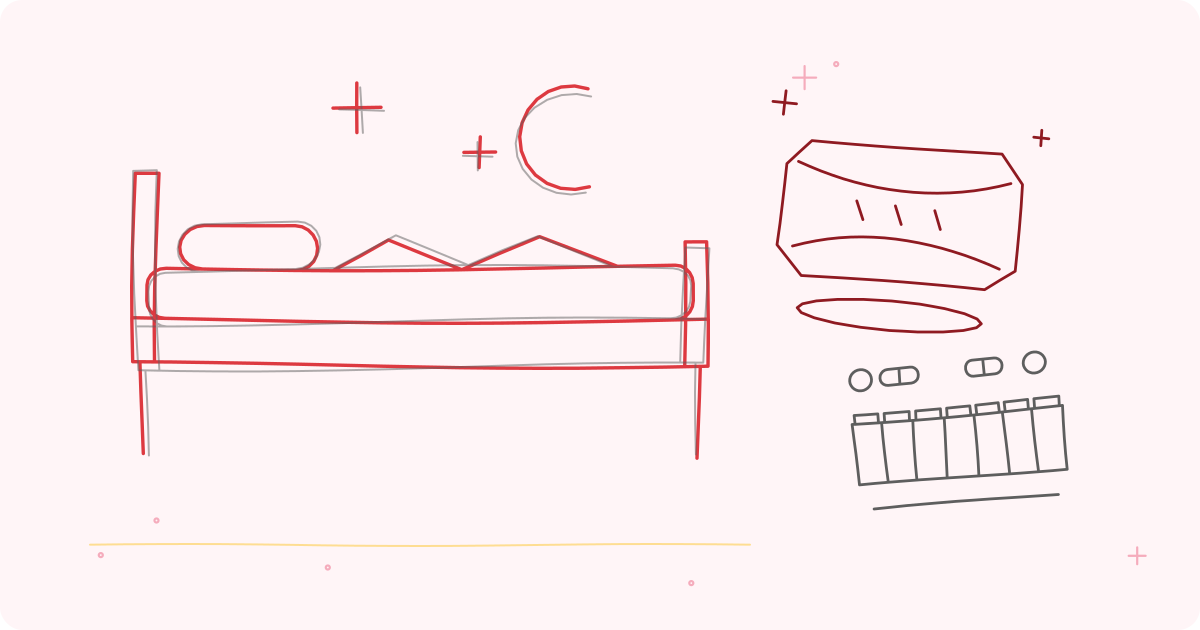
Lying on the back
A common position for rest, though not for long periods.
- Head: a small pillow supporting the head and neck, with the head in line with the body, not pushed forward.
- Affected shoulder: a pillow under the shoulder blade and upper arm so the shoulder is slightly forward and supported, not pushed back.
- Affected arm: rest on a pillow alongside the body with the elbow straight or slightly bent as advised, and the palm facing up or down in a relaxed position. The hand should be open and supported flat, not curled.
- Affected hip: a small towel roll or pillow beside the hip to prevent the leg from rolling outwards.
- Affected leg: a pillow under the knee only if advised, to keep it slightly bent; avoid hyperextension.
- Feet: keep the heels free from pressure by placing a pillow under the calves so the heels float; check that the foot is supported at right angles if possible, with a foot support or pillow, and avoid heavy blankets that push the foot down.
Lying on the unaffected (good) side
Often the most comfortable position.
- Head: a pillow that keeps the neck level.
- Affected arm: forward, supported on a pillow, with the shoulder gently forward and the elbow slightly bent, the hand relaxed.
- Affected leg: on a pillow, with the hip and knee slightly bent, so the leg does not rest on the good leg.
- Back: a pillow behind the back to keep the position.
Lying on the affected side
Used for short periods, as advised, to stimulate awareness.
- The affected shoulder is brought forward, not trapped under the body.
- The arm rests forward on the bed, supported by pillows.
- The good leg is bent and supported on a pillow in front.
- A pillow behind the back keeps the position.
- Check skin on the hip and shoulder.
If the person has shoulder pain, ask the therapist before lying on that side.
Sitting in bed
- Sit upright with the back well supported by a backrest or pillows, with the hips at the angle of the bed bend; avoid slumping. See backrests and sitting up in bed.
- Support the weak arm on pillows, on a table or on an arm trough, so it does not hang.
- Keep the head midline.
- Place the legs supported with the feet touching a pillow or footboard.
- Check the hips do not slide down, which causes shearing. A pillow under the knees may help.
- Eat sitting upright at a table with the head slightly forward, not tilted back.
Sitting in a chair or wheelchair
- Good seating: a firm chair with arms and a supportive cushion; see cushions for wheelchair users and choosing a chair for an older person.
- Hips well back and level, feet flat on the floor or footplates, knees at about 90 degrees.
- Trunk upright, supported by a lateral support or rolled towels if leaning.
- Affected arm: rest on an arm trough, a lap tray or a pillow on the lap, with the hand open and supported. Do not let it hang or be trapped in the wheel or the side of the chair.
- Weak leg: the foot positioned and supported, not turned in.
- Table: use a table or tray at a good height to rest both forearms, with the weak arm forward.
- Change position or stand and walk at least hourly, as safe.
- Prevent sliding: a non-slip mat or a contoured cushion.
- Check skin after sitting.
Swelling in the hand and foot
A hand or foot that hangs below the heart can swell, causing pain and stiffness. Support it elevated on a pillow when resting, avoid tight clothing or bands, encourage gentle movement and report persistent swelling to the therapist or doctor. Do not massage vigorously.
Spasticity, pain and shoulder care
Muscle stiffness often develops after the first weeks. Positioning, stretching and exercises taught by a physiotherapist help, and doctors may use medicines or injections. Never force a stiff joint. Support the shoulder, particularly during dressing and transfers, and report pain promptly. See stroke recovery at home guide and walking aids after a stroke.
Transfers and handling
When helping someone move, support the weak arm and shoulder, and do not pull on the hand. Use a transfer belt or follow the therapist's technique; see how to use a transfer belt and moving from bed to chair. When dressing, put the weak arm into the sleeve first, and take it out last.
Choosing pillows and supports
- Firm pillows that hold their shape: bolsters, wedges and small cushions.
- Several sizes, including small towel rolls.
- Washable covers.
- A foam arm trough or lap tray for the chair.
- A wedge for the back or hip, for side lying; see wedge pillows.
- A pressure-relieving mattress and heel protectors if movement is limited; see air mattress for pressure sores.
- A foot support to prevent foot drop and protect heels.
Ask the therapist which items are needed, rather than buying a large set.
When to ask a professional
A physiotherapist, occupational therapist or stroke nurse should teach positioning in your own home and review it regularly. Ask them to show you each position, how long to stay in it and how to move your parent safely. See a doctor for shoulder pain, swelling, skin redness or a sudden change in the weak side. Call emergency services (112) for any new stroke symptoms such as sudden weakness, facial droop, slurred speech or severe headache. Our care advisors can arrange a therapist visit and equipment.
Equipment mentioned in this guide
Frequently asked questions
How should I position a weak arm after a stroke?
Supported on a pillow, with the shoulder gently forward, the elbow slightly bent and the hand open and relaxed, never hanging or trapped. A therapist will show the best position for your parent.
How often should we change position in bed?
At least every two hours, or as the therapist advises, with skin checks each time.
Should my parent lie on the weak side?
Often for short periods, with the shoulder brought forward and the arm supported, but not if the shoulder is painful. Ask the therapist.
Why is the shoulder painful after stroke?
A weak arm can drag on the shoulder joint, causing subluxation and pain. Support the arm, avoid pulling and see the therapist or doctor.
Which pillows are best?
Firm bolsters, wedges and small cushions that hold their shape, with washable covers, chosen with the therapist.
Sources and further reading
- Royal College of Physicians, National Clinical Guideline for Stroke for the UK and Ireland
- NICE guideline NG236, Stroke rehabilitation in adults
- American Heart Association and American Stroke Association, Guidelines for adult stroke rehabilitation and recovery
- Chartered Society of Physiotherapy, patient information on positioning after stroke
Tags: stroke positioningpillows after strokehemiplegic shoulderweak arm supportbed positioning strokestroke recovery at homeCushions, pillows and comfortWedge pillowBeds, mattresses and restMobility and walking aids
This article is for general education and is not medical advice. Speak to your doctor before changing your exercise, diet or medicines.