How a lumbar cushion works
A lumbar cushion fills the gap between the lower back and the chair, so the spine keeps its natural inward curve while sitting. By supporting the curve, it reduces the slump, spreads load across the lower back and eases the strain on the muscles. Many people feel immediate relief, particularly in chairs that have no support or are too deep.
The idea is not to force an exaggerated arch, but to keep the spine in a comfortable, neutral shape. Used well, it complements good posture and regular movement; it does not replace them.
Who may benefit
- People with non-specific lower back ache that worsens with sitting.
- Those with osteoarthritis of the spine or degenerative discs, with a doctor's agreement.
- People who sit for long periods, at a desk, in a car, in an armchair or on a sofa.
- Those whose chairs are too deep, too soft or have no lumbar shape, which is very common in sofas and car seats.
- Older adults who tend to slump because of weak core muscles.
- People recovering from back strain, after a doctor's advice.
Who should be careful
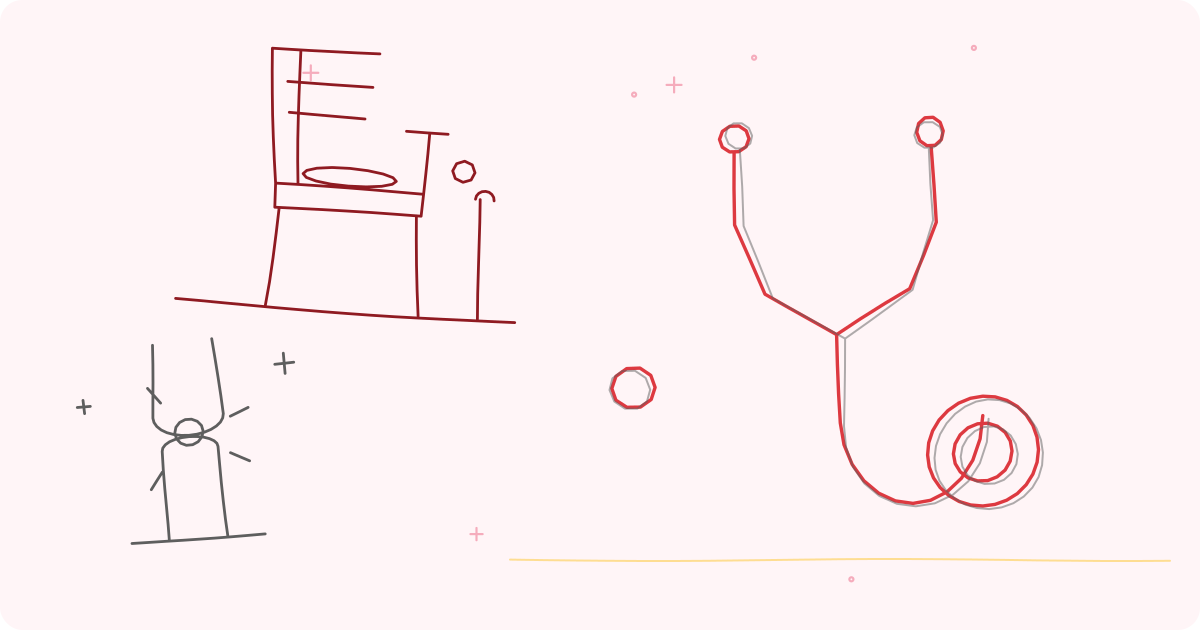
- Anyone with severe pain, pain that wakes them at night, new numbness or weakness in the legs, or problems with bladder or bowel control. These need a doctor; see the warning signs below.
- People with a recent spinal fracture or surgery, where a doctor must advise on posture and supports. See osteoporosis home care guide.
- Those whose back pain is worse when leaning back, such as in some forms of spinal stenosis, where a more flexed posture may feel better. A physiotherapist can advise.
- People with a pressure-sore risk, where a back cushion is only a small part of seating; see pressure care in a wheelchair.
Types of lumbar support
Lumbar roll. A cylindrical roll, usually 8 to 10 cm in diameter, placed at the belt line. Simple and adjustable by moving it up or down.
Contoured lumbar cushion. A shaped pad with a curve that matches the back, often in memory foam or firm foam. It has a strap to hold it to the chair.
Full-back support. A broader backrest cushion that supports the whole back, sometimes with a mesh cover for ventilation.
Inflatable lumbar support. An adjustable air pad, useful in cars and for travel. It can be set to the right firmness.
Built-in lumbar support. In some office chairs and car seats. Many chairs at home have none.
Rolled towel. A temporary measure, a towel rolled and tied, to test whether support helps before buying.
Choosing the right cushion
Firmness. Firm enough to support the curve without collapsing, soft enough to be comfortable. A rock-hard roll is uncomfortable; a very soft pad gives no support.
Size and shape. Should fit your parent's back: not too thick, not too thin. A common roll is about 8 to 10 cm thick; contoured cushions are about 30 to 40 cm wide. A tall person needs a taller pad.
Height. It should sit in the small of the back, above the pelvis and below the ribs, roughly at the level of the belt.
Strap and grip. An adjustable elastic strap or non-slip backing keeps it from sliding.
Cover. Breathable, removable and washable; a mesh cover helps in hot weather.
Material. Memory foam moulds to the back; firm foam holds shape better; avoid soft, cheap foam that flattens.
Weight and portability. Light enough to move between chairs and the car.
Try it. If possible, sit on the chair with the cushion for a few minutes before buying.
How to use it
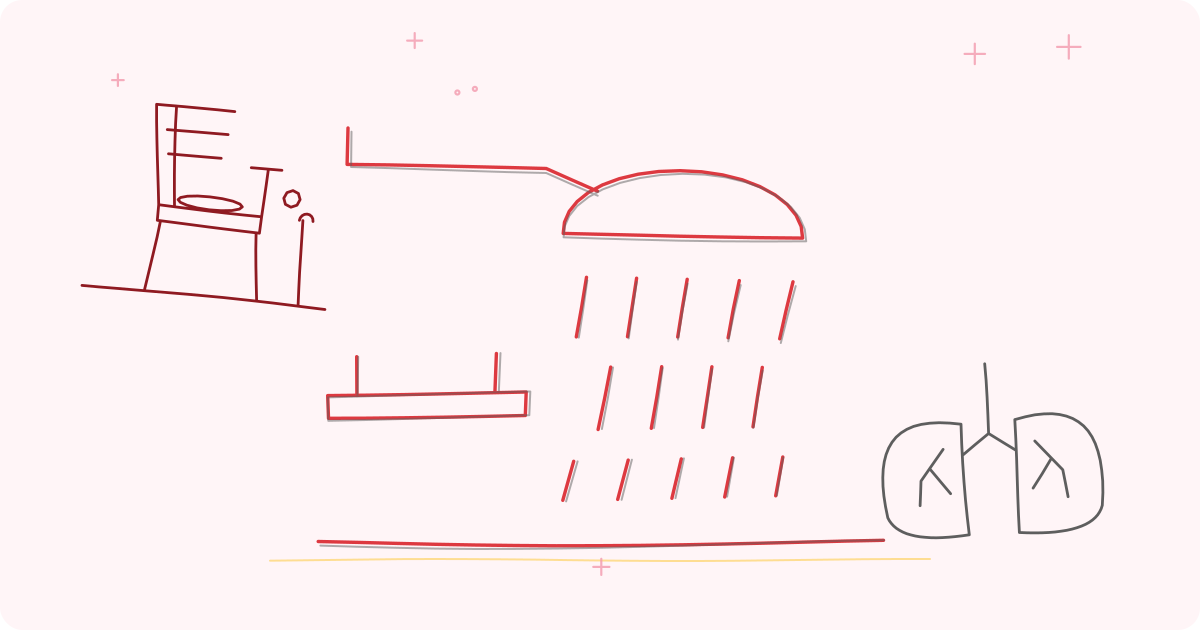
1. Sit all the way back in the chair, with the hips touching the backrest. 2. Place the cushion at the hollow of the lower back, roughly at belt level, and adjust the height so that it fits the curve. 3. Adjust the thickness if needed: a thicker one for a deeper chair, a thinner one for a shallow chair, or fold a towel. 4. Check the posture: feet flat on the floor or a footrest, knees at about the same level as the hips or slightly lower, shoulders relaxed and the head over the shoulders. 5. Check comfort after a few minutes. The cushion should feel supportive, not pushing the back forward. 6. Move regularly, since even a perfect posture is tiring if held for hours. Stand, stretch and walk every 30 minutes. 7. Adjust over time, as your parent gets used to it.
If the cushion makes the pain worse after a few days, stop using it and ask a physiotherapist.
Chairs, sofas, cars and wheelchairs
Armchairs and sofas. Soft, deep sofas are the worst for backs. A lumbar cushion plus a firm seat cushion can improve comfort; see seat cushions for older adults. Choose a firmer, upright chair with arms if possible; see choosing a chair for an older person.
Cars. A lumbar support helps on long journeys. Fit it so that it does not move the seat forward or interfere with the seat belt or head restraint; see car seat cushions for older passengers.
Wheelchairs. A back cushion can help with posture, but wheelchairs need a proper back support designed for the chair; see wheelchair measurements.
Dining chairs and desks. A small roll or a folded towel helps.
Bed. A small pillow or roll under the lower back in bed can help some people lying on their back; see mattress firmness for back pain.
Habits that matter as much as the cushion
- Change position often. The best posture is the next posture.
- Strengthen the core and back. Gentle exercises as taught by a physiotherapist.
- Keep walking. Regular walks ease stiffness.
- Avoid slumping and perching.
- Lift safely, with bent knees and a straight back.
- Use heat for stiffness, with care; see hot packs and older skin and heat or cold for joint pain.
- Maintain a healthy weight.
- Sleep well, with a supportive mattress.
- Consider a back belt only on advice; see back belts and lumbar supports.
For general guidance, see lower back pain after 60.
Warning signs: see a doctor
Seek medical help promptly for back pain with:
- numbness, tingling or weakness in the legs;
- difficulty controlling bladder or bowels, or numbness around the groin or buttocks (an emergency);
- fever, unexplained weight loss or a history of cancer;
- pain after a fall or injury, which may be a fracture;
- severe pain at night or at rest that does not ease;
- pain that is getting steadily worse; or
- a new deformity or sudden loss of height.
Care of the cushion
Wipe or wash the cover regularly, air the cushion, avoid direct sun and replace it when it flattens or loses shape, typically after a year or two. Keep a spare cover.
When to ask a professional
A physiotherapist can assess back pain, posture and seating, teach exercises and advise on supports. Ask your doctor if pain persists for more than a few weeks, is severe or comes with any of the warning signs. Our care advisors can arrange a physiotherapist visit and help choose equipment.
Equipment mentioned in this guide
Frequently asked questions
Does a lumbar cushion really help back pain?
For many people with sitting-related lower back ache it gives relief by keeping the spine's natural curve, but it does not fix the underlying cause and works best with movement, posture and exercise.
Where should I place a lumbar cushion?
In the hollow of the lower back at about belt level, with the hips well back in the chair. Adjust the height and thickness until it feels supportive.
How firm should it be?
Firm enough to hold the curve without collapsing, but not hard. Memory foam or firm foam is usually fine.
Can I use a rolled towel instead?
Yes, as a trial. If it helps, you can buy a purpose-made cushion.
When is back pain an emergency?
With new leg weakness or numbness, loss of bladder or bowel control, numbness around the groin, or after a fall with severe pain. Seek medical help at once.
Sources and further reading
- NICE guideline NG59, Low back pain and sciatica in over 16s: assessment and management
- World Health Organization, Musculoskeletal health: fact sheet and guidance on low back pain
- Chartered Society of Physiotherapy, patient information on back pain and sitting posture
- World Health Organization, World report on ageing and health (2015)
Tags: lumbar cushionlower back supportback pain sittinglumbar rollposture supportchair back supportCushions, pillows and comfortLumbar support cushionJoint and pain supportHealthy ageing
This article is for general education and is not medical advice. Speak to your doctor before changing your exercise, diet or medicines.