The principle: reach, safety, simplicity
1. Reach. Everything a person might want in bed should be reachable without sitting up fully, leaning far or standing. Measure from the pillow with the arm extended. 2. Safety. Items must not tip, spill, burn or tempt a person to stretch. 3. Simplicity. Fewer, well-chosen items are better than a crowded table. 4. Dignity. The set-up should help the person do things for themselves. 5. Review. Check daily, and update as needs change.
Use a sturdy bedside table or cabinet, or an overbed table for meals and activities. Choose a surface that cannot tip, at a height level with or slightly above the mattress, and keep it on the side the person uses.
Fluids and food
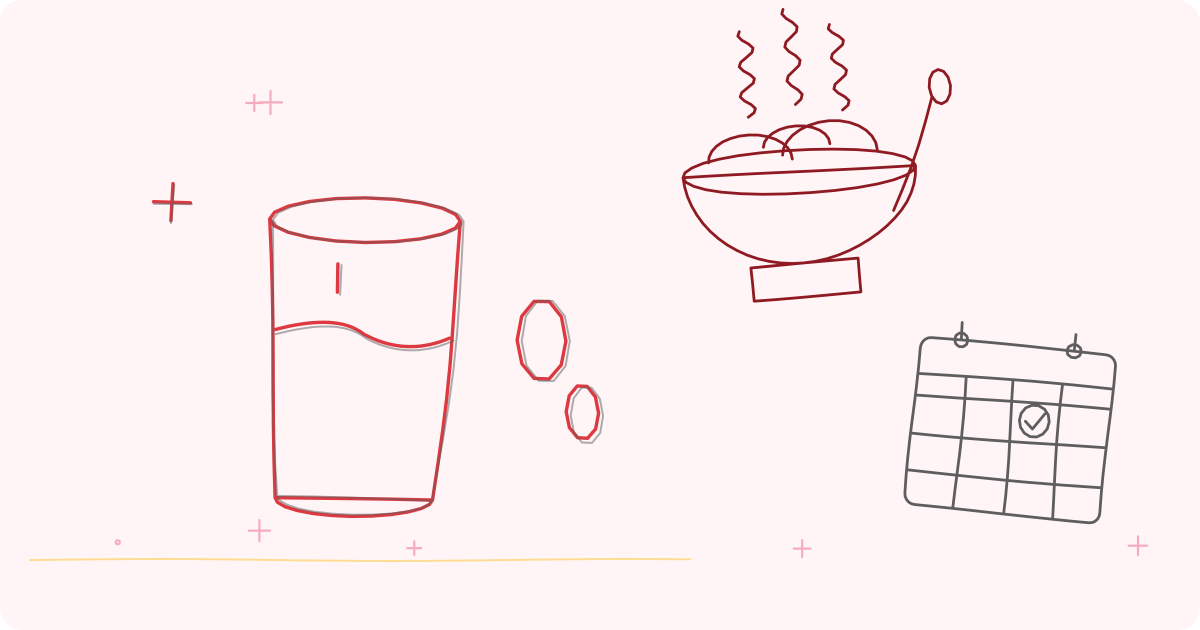
- Water. A cup with a lid and handles, or a bottle with a straw, filled with water at room temperature. A heavy glass can be too much for a weak hand. For tremor, try a two-handled cup or a weighted base. See hydration for older adults and eating with tremor or weak grip.
- A small snack, if safe, such as biscuits or fruit, particularly for diabetes risk or overnight hunger. For people with diabetes, ask the doctor about night snacks; see diabetes and low sugar emergencies.
- A thermos for tea or warm water, only if the person can pour safely. Hot liquids on a bedside table near a person with tremor or confusion are a scald risk.
- Mouth care. A small glass for rinsing, mouth wash if used, lip balm and a swab; see oral care for frail older adults.
Call and communication
- A call method that the person can use. A bell, wireless call button, pendant, baby monitor or phone. Test it each day. See panic pendant buying guide and how an emergency alert system works.
- A phone within reach, charged, with large buttons or voice dialling. See amplified phones guide and phone accessibility features for seniors.
- Emergency list. Large-print card with family, doctor, ambulance and neighbour numbers; see emergency contact card and medical summary and ambulance and emergency numbers in India.
- Hearing aid case or charger, placed in a set spot; see hearing aid care and batteries.
- Spectacles, with a case, in the same place every night.
- Dentures, in a labelled container with water, if removed at night.
- A large-face clock with the date, which helps orientation; see talking clock guide and orientation aids for memory loss.
Light
- A bedside lamp with a big, easy switch or touch control.
- A night light on the route to the toilet; see motion-sensor night lights.
- A torch with a large button, for power cuts. Check the battery weekly.
- A reading light if the person reads in bed; see reading lamp and lighting for older eyes.
Medicines
Medicines are one of the items that need the most thought.
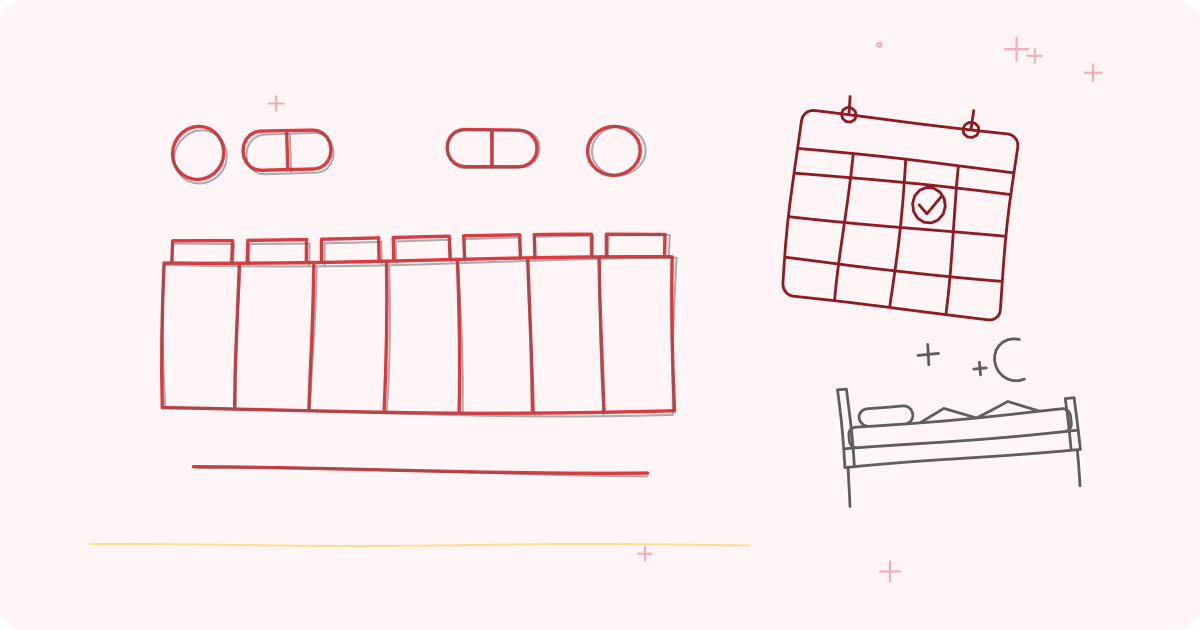
- Keep only the medicines due that day or night at the bedside, in a labelled pill organiser, if the person manages their own pills safely. See setting up a weekly medicine box.
- Keep the rest of the medicines locked or high up, away from a confused or forgetful person. Mistaking one tablet for another, or taking a double dose, can be dangerous. See dementia and medicines at home and giving medicines safely at home.
- A medicine list with names, doses and times, in large print.
- Inhalers or glyceryl nitrate or other emergency medicines only as prescribed, in a place both the person and carers know.
- Eye drops with a guide if needed; see eye drops made easy.
- A glucometer and supplies if the person has diabetes, with sharps in a safe container; see glucometer buying guide.
- A thermometer and BP monitor kept nearby for carers; see digital thermometer guide and BP monitor buying guide.
Hygiene and continence
- Tissues, a waste bin or bag with a lid and wet wipes; see wipes and perineal hygiene.
- Hand sanitiser for the person and carer.
- Urinal or commode for night use if the toilet is far; see bedside commode and urinal routines and urinal guide for men and women.
- Spare pads or pull-ups, with a washable underpad or mattress protector if there is risk of leaks; see mattress protector guide and managing incontinence at night.
- Barrier cream and a clean cloth, if the nurse advises; see barrier cream and skin care.
- A spare set of nightclothes and towels, within easy reach for the carer.
- Gloves for the carer, in a box; see infection control for home caregivers.
Comfort and positioning
- Pillows for support, and a wedge or backrest if needed; see backrests for sitting up in bed and positioning a bedridden parent.
- An extra blanket or shawl, and a light sheet for hot nights; see bed linen and fabrics for sensitive older skin.
- A small fan or heater, safely placed and out of reach of bedding, if used; see safe use of heaters and geysers.
- A lip balm and moisturiser for dry skin.
- A hot or cold pack, only with caution; see hot pack safety for older skin.
Mobility and safety
- Walking aid within reach, at the right height, on the side the person gets out; see walking frame buying guide and walking aids and footwear.
- Non-slip slippers beside the bed.
- A firm chair with arms near the bed.
- A clear path to the door and toilet.
- Bed height and rails set correctly; see bed height and getting out of bed and bed rails guide.
Comfort for the mind
- Photographs, a calendar and a familiar object.
- A radio, book or tablet, with controls that suit the person; see phone and remote aids for arthritis.
- Prayer items or a favourite quiet activity.
- A reachable window curtain, so that the person can control light.
- A note pad and pen for those who like to write down worries or reminders.
What to keep out of reach
- Sharp objects, razors, scissors, needles, knives.
- Hot drinks or hot water bottles for people who cannot judge heat.
- Smoking items, matches, lighters, incense and candles near bedding.
- Large quantities of medicines.
- Cleaning products and chemicals, which can be mistaken for drinks.
- Cables, heaters and extension leads near the bed.
- Breakables.
- Cash and valuables that may be lost or taken; see managing a parent's money safely.
A daily and weekly routine
Each evening: - Fill the water, check the call device and lamp, and put out spectacles and aids. - Clear used cups and tissues. - Place footwear and a walker. - Check the night light and torch. - Put in the night medicines, if advised.
Each morning: - Wipe the surface. - Check the skin and the bed. - Replace the water and tissues. - Check batteries in the pendant, torch and phone.
Each week: - Deep clean the table and the bedside area. - Check the stock of wipes, pads and gloves. - Check medicine supplies and dates. - Review whether the set-up still suits.
See also care diary and handover notes and hospital room at home complete setup.
When to ask a professional
An occupational therapist can assess the bedside for reach, grip and cognition, and suggest aids. A nurse can advise on hygiene, continence and medicines. A pharmacist or doctor can advise on safe storage and review of medicines. A doctor should be consulted if your parent has new confusion, difficulty reaching or holding things, increasing falls or more night-time needs.
Equipment mentioned in this guide
Frequently asked questions
What should be on the bedside table of an elderly person?
Water in a lidded cup, spectacles, a call device or phone, a lamp or torch, tissues, and the day's medicines in an organiser if safe. Keep the rest of the medicines and any hazards out of reach.
Should medicines be kept at the bedside?
Only the doses due that day, in an organiser, for people who manage them safely. Keep the stock elsewhere, particularly if there is confusion or dementia.
How can I check the call button works?
Test it daily with your parent, from the bed, and confirm the signal arrives and who responds. Replace batteries on a schedule.
How do I help a parent with tremor drink safely in bed?
Use a lidded cup with two handles or a straw, half-fill it, and place it on a non-slip mat. Ask an occupational therapist for aids.
Sources and further reading
- World Health Organization, World report on ageing and health (2015)
- NICE guideline NG249, Falls: prevention, assessment and management in older adults and adults at higher risk
- Royal College of Occupational Therapists, guidance on equipment for daily living
- Centers for Disease Control and Prevention, STEADI initiative: Check for Safety, a home fall prevention checklist
Tags: bedside essentialsbedside checklistcare at homefrail elderly bedroombedside tableitems within reachBeds, mattresses and restOverbed tableSafety and alert devicesBathroom and toilet safety
This article is for general education and is not medical advice. Speak to your doctor before changing your exercise, diet or medicines.