The bed and its surroundings
Height. The bed should be at a height where the feet are flat on the floor when sitting on the edge, with knees at about a right angle. A bed that is too low is hard to rise from; one that is too high leaves the feet dangling. See bed height and getting out of bed.
Firm edge. A mattress with a firm edge allows a person to sit and stand without sinking. A very soft or saggy mattress is unstable at the edge.
Placement. Put the bed so that the person gets out on the side nearest the toilet and the route, and so that there is space for a walking aid. Keep one side clear of walls if care or assistance may be needed; see small room bed layouts. Keep the bed away from the window or fan draught and from a heater.
Stability. The bed should not slide or wobble. Put brakes on if it has wheels. Lock any wheels on a hospital bed. In a joint family home with a traditional wooden cot or a floor mattress, check that it cannot slip on polished floors.
Rails and handles. Think carefully before using bed rails; see bed rails guide. A short, firmly fixed assist handle is often safer than a rail. For a person at risk of rolling out, a lower bed with a crash mat may be better.
Bedside furniture. A sturdy bedside table or shelf at the right height, not a flimsy stool the person may grab and tip. Avoid glass tops and sharp corners.
Chair. A firm chair with arms near the bed, for sitting to dress or put on footwear.
The floor
- Remove loose rugs, floor mats and runners, or fix them with non-slip backing and flat edges. See flooring, rugs and trip hazards.
- Clear clutter, such as shoes, bags, baskets, pet beds and laundry. Keep the floor around the bed free.
- Cables. Move power cords and phone chargers away from walking paths, or fix them along the wall.
- Thresholds. Mark or ramp any step at the door; see portable ramps for thresholds.
- Footwear. Keep a pair of non-slip slippers or shoes with a back strap beside the bed, within reach from the sitting position. Avoid loose, worn or backless slippers. See choosing shoes for older feet. Some people prefer socks with grips, but plain socks on polished floors are slippery.
- Furniture layout. Keep a clear path at least 90 cm wide from bed to door, and to the toilet. Avoid furniture with sharp edges next to the path.
- Pets. A dog or cat sleeping on the floor beside the bed can trip a person. Plan where pets sleep.
- Floor surface. Polished marble and tiles are slippery, especially with bare feet or socks. Consider anti-slip treatment on the route; see anti-slip tape and coatings.
Lighting
Good light at the right moment is one of the most effective safety measures.
- Bedside lamp that is easy to switch on, with a large switch or touch base, within reach from lying in bed. Consider a lamp with a gentle brightness.
- Night lights along the route, especially a motion-sensor light at floor level that comes on when the person gets up. Warm light is gentler on the eyes.
- Bathroom light left on at a low level, or a sensor light, so that the toilet is easy to find.
- Torch by the bed for power cuts.
- Switches near the bed and at the door, with glow-in-the-dark or contrast plates.
- Avoid glare and shadows. Cover bare bulbs, and avoid lights that shine into the eyes.
- Window coverings. Block bright street lights if they disturb sleep, but not so much that the room is pitch dark at night.
- Contrast. Choose bedding, furniture and walls that contrast so that the bed edge and door are visible; see lighting and contrast at home.
For people with poor eyesight or dementia, see low vision home safety and dementia home setup.
What to keep within reach
A person should not need to leave the bed for essentials. Place on a bedside table or shelf, within arm's reach from the pillow:
- water in a lidded cup or a bottle with a straw;
- spectacles, a hearing aid case and dentures box, if used;
- a phone, with large buttons, and a list of emergency numbers; see ambulance and emergency numbers in India;
- a bell, call button or pendant; see panic pendant buying guide;
- tissues and wipes;
- a torch;
- a clock with a big face;
- the day's medicines in a labelled organiser, if appropriate; see pill organiser guide;
- a walking stick or frame within reach, but not blocking the path; see walking aids and footwear.
See bedside essentials checklist for a fuller list.
Keep sharp objects, medicines, cigarettes, lit lamps and anything breakable out of reach of a person with confusion.
The route to the toilet
A trip to the toilet is the most common reason for getting up at night.
- Keep the distance short. A person who is unsteady might use a bedside commode or a urinal; see night toileting from the bed and commode chair guide.
- Light the route with sensor lights, and keep the door open or lit.
- Remove thresholds and rugs.
- Provide support in the corridor, such as a wall handrail if the route is long; see handrails and stair lifts.
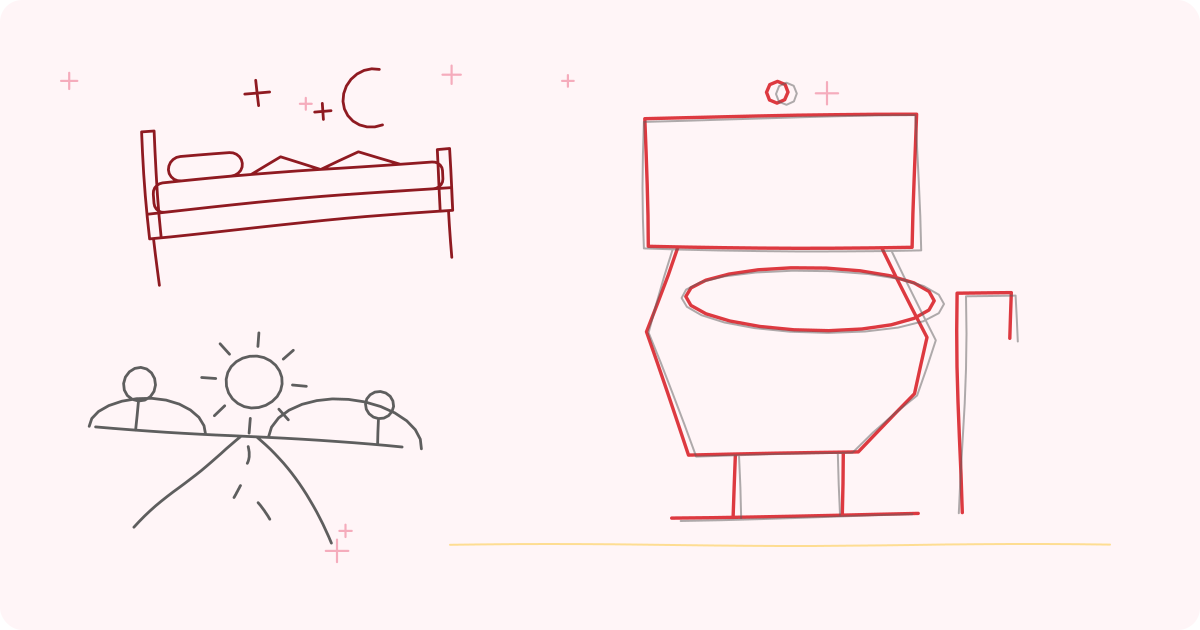
- In the bathroom, a grab bar and a raised seat; see bathroom safety checklist and night-time toilet trips and falls.
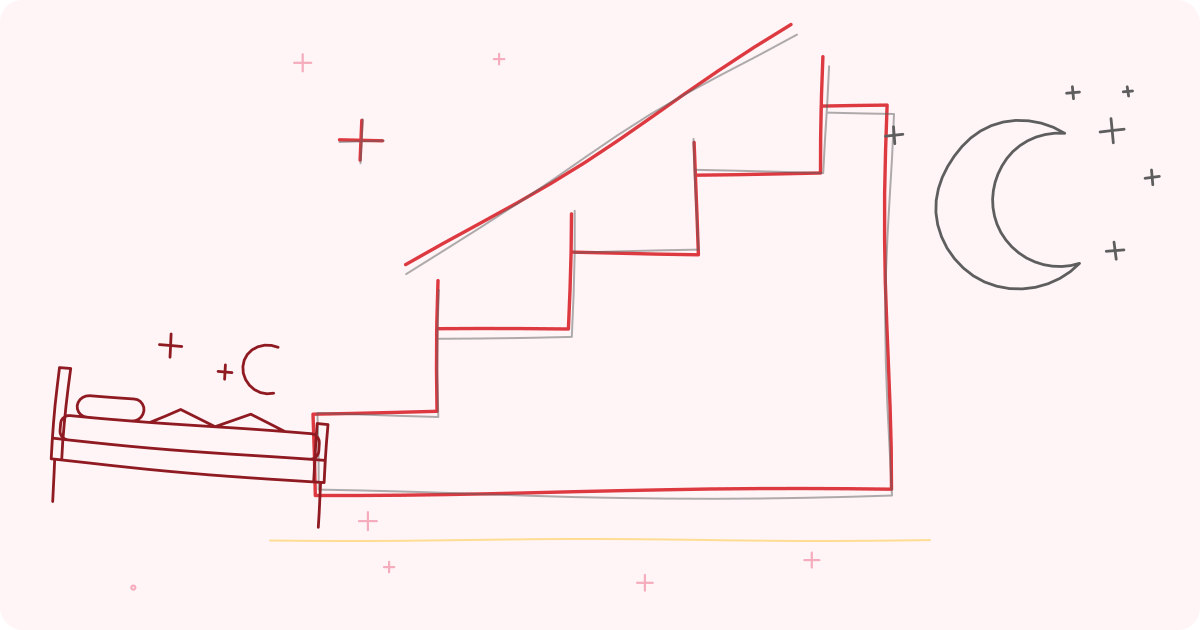
- If the toilet is upstairs, think about moving the bedroom to the ground floor, or providing a commode; see ground floor vs upper floor living.
Calling for help
- At the bedside: a bell, a wireless call button, a baby monitor or a pendant. Check it works and that someone will hear it.
- Phone: a phone within reach, with speed-dial numbers.
- Voice: some people use a smart speaker to call a relative; it works for those who can speak clearly and is not a sole method.
- Door sensors or bed sensors to alert a carer if the person gets up; see door sensor guide and privacy and dignity with monitoring.
- Family plan: who sleeps nearby, who responds, how will they enter. See night safety for a parent alone and responding to an alert: who does what.
- Lock safety: keep the bedroom door unlocked, or have a key accessible; see lock and door safety for seniors.
Dizziness, confusion and medicines
The bedroom setup helps, but the cause of night-time falls is often medical.
- Dizziness on standing. Teach the "sit, wait, stand" routine: sit at the edge of the bed for a minute, flex the ankles, stand with support. See dizziness and low blood pressure when standing.
- Medicines. Sleeping tablets, some blood pressure tablets, diuretics, antihistamines, pain relievers and psychiatric medicines may cause drowsiness or low blood pressure. Ask the doctor or pharmacist to review; see polypharmacy and deprescribing and medicine side effects families should watch.
- Night confusion. In dementia or delirium, a person may wake disoriented or restless; see dementia sundowning and delirium in older adults. A calm, familiar, well-lit environment helps. Do not use rails alone to stop movement.
- Night urination. See the causes in night-time toilet trips and falls.
- Vision and hearing. Check eyesight and hearing; see hearing and vision checkup schedule.
- Alcohol. Avoid at night; it affects balance.
Routine checks
Once a month, and after any fall, illness or change:
1. Check the bed for stability, and the mattress for wear. 2. Test lights, batteries and sensors. 3. Walk the route in the dark with a torch, looking for hazards. 4. Check the call device and phone. 5. Check that footwear is in good condition. 6. Review the medicines with the doctor. 7. Ask your parent whether anything makes them nervous at night.
See monthly home safety check and falls risk assessment at home.
When to ask a professional
Ask a doctor if your parent has dizziness, fainting, repeated night-time falls, confusion or sleep problems. A physiotherapist can help with strength and balance. An occupational therapist can visit and suggest changes to the bedroom, the route and the bathroom. A pharmacist or doctor can review medicines. Seek urgent help after a fall with head injury, severe pain, inability to stand or loss of consciousness; see what to do after a fall.
Equipment mentioned in this guide
Frequently asked questions
What is the most important change to make in an older adult's bedroom?
Good lighting from bed to toilet, a clear floor, and a bed at the right height are the key points. Add a way to call for help.
Should I use a night light or a lamp?
Both help. A motion-sensor night light at floor level lights the way without waking the person fully, and a lamp within reach lets them see to do tasks.
Is it safe for my mother to use a walking frame at night?
If she normally uses one, keep it within reach at the bedside, and make sure the path is wide and clear. A therapist can advise on aids at night.
What if my father gets up at night but is confused?
Keep the room calm and well lit, check for pain, hunger and toileting needs, and ask the doctor to review. Do not rely on rails alone, and consider alerts and supervision.
Sources and further reading
- NICE guideline NG249, Falls: prevention, assessment and management in older adults and adults at higher risk
- World Health Organization, Global report on falls prevention in older age (2007)
- Centers for Disease Control and Prevention, STEADI initiative: Check for Safety, a home fall prevention checklist
- Royal College of Occupational Therapists, guidance on living safely at home
Tags: bedroom safety elderlynight safetyfall prevention bedroombedroom layout older adultnight light bedroomgetting up at nightBeds, mattresses and restMotion-sensor night lightBathroom and toilet safetySafety and alert devices
This article is for general education and is not medical advice. Speak to your doctor before changing your exercise, diet or medicines.