Know the common night-time risks
- Falls on the way to the toilet, with poor light, stiff joints, drowsiness, low blood pressure on standing; see night-time toilet trips and falls.
- Medical emergencies: heart attack, stroke, breathlessness, low sugar, seizures.
- Confusion at night: in dementia or delirium; see dementia sundowning and bed safety for restless sleepers.
- Fire and gas: left-on stoves, heaters, lamps, smoking, electrical faults; see smoke and gas safety for older adults.
- Heat, cold and power cuts; see power cuts and older adults.
- Break-ins and intruders, or fraud callers.
- Wandering outdoors in nightwear.
- Not being able to call: phone out of reach, battery flat, pendant off.
Step 1: make the bedroom safe
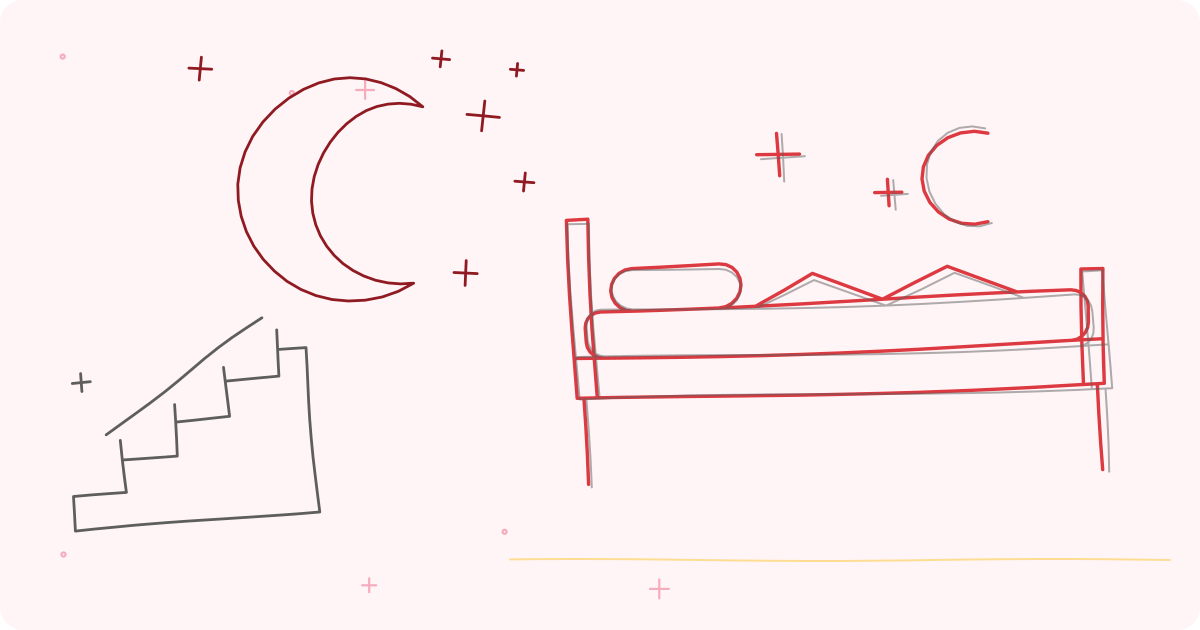
- Bed at the right height, with a firm edge, so that standing is easy; see bed height and getting out of bed.
- Clear floor: no loose rugs, wires, shoes or clutter; see flooring, rugs and trip hazards.
- A clear, short route to the toilet.
- Non-slip footwear beside the bed, or a non-slip floor; see choosing shoes for older feet.
- A bedside table with the essentials within reach: water, spectacles, phone, torch, a call device, tissues, the day's medicines; see bedside essentials checklist.
- A chair with arms for sitting to dress.
- A bedside commode or urinal if the toilet is far or the person is unsteady; see night toileting from the bed.
See bedroom setup for night safety for the full layout.
Step 2: light the way
- Motion-sensor night lights at floor level from bed to bathroom, warm in colour; see motion-sensor night lights.
- A bedside lamp that is easy to switch on.
- A charged torch for power cuts, placed in the same spot every night.
- A light in the bathroom that is easy to find, or left on low.
- Good contrast so that the bed edge, steps and the toilet are visible; see lighting and contrast at home.
- Battery or rechargeable lights on the route, since power cuts are common.
Step 3: a reliable way to call for help
This is the most important item.
- Wear a pendant or watch at night, if comfortable, and charge it at a set daytime hour; see panic pendant buying guide and fall detection watch guide.
- A phone within reach, charged, with large buttons or speed dial, on the bedside table, or on a lanyard; see amplified phones guide.
- Alarm points at floor level in the bathroom and bedroom; see calling for help from the bathroom.
- A written list of numbers by the phone: family, neighbour, doctor and emergency services. 112 is India's emergency number; 14567 is Elderline, the senior citizens' helpline.
- A loud voice or bell, to attract a neighbour, if the building is close.
- A key safe or neighbour key so responders can enter; see key safe guide.
- Test weekly and check batteries; see safety device batteries and checks.
Step 4: secure the home
- Lock the doors and windows at night, with locks that can be opened quickly from inside in a fire, and by responders from outside using the agreed method; see lock and door safety for seniors.
- Use a peephole, chain or intercom for any caller at night; do not open to strangers. Call a neighbour, security or 112 if worried.
- Keep keys and valuables out of sight.
- Tell building security that your parent lives alone, and who to call; see safety in gated societies and apartments.
- A door sensor or chime can alert the family to night exits for those at risk; see door sensor guide. Do not lock a person with dementia inside.
- Phone fraud at night: unexpected calls from "police" or "bank" are scams; see preventing doorstep scams and phone fraud.
Step 5: fire, gas and electrical checks before bed
A simple bedtime routine:
1. Check the stove, gas regulator and kettle are off. 2. Switch off heaters, irons and unneeded appliances. 3. Put out candles, lamps and incense. 4. Check that the smoke alarm works; keep the bedroom door closed. 5. Turn off the gas at the regulator. 6. Lock up. 7. Take medicines as scheduled. 8. Place the phone, torch and pendant.
See auto-off kettle and stove safety, safe use of heaters, geysers and fans and monthly home safety check.
Step 6: heat, cold and power cuts
- In summer, a comfortable, ventilated bedroom, light cotton bedding, water by the bed, and a battery fan or backup; see heat stroke and dehydration in seniors.
- In winter, warm bedding, socks, a cap if needed, and safe heating without fumes; see cold weather health risks for seniors.
- During a power cut, torch, battery light, charged phone and power bank. Do not use candles near bedding. Keep devices charged. See power cuts and older adults.
- For oxygen or electrical medical equipment, have a backup plan; see oxygen and power cuts.
Step 7: medicines, sleep and health
- Review medicines with the doctor, particularly sleeping tablets, water tablets and blood pressure medicines, which can cause dizziness and night falls; see polypharmacy and deprescribing and medicine side effects families should watch.
- Take only the planned night medicines. Use a pill organiser to avoid mistakes; see pill organiser guide.
- Sleep habits: regular bedtime, limit evening tea and coffee, and manage night urination; see sleep problems in older adults.
- Sit before standing on waking: see dizziness and low blood pressure when standing.
- Chronic conditions: keep a plan for diabetes, heart failure, asthma or COPD, including what to do for night-time symptoms; see diabetes and low sugar emergencies, copd action plan and when breathlessness is an emergency.
Step 8: check-ins that respect independence
- An evening call at a set time, such as 8 pm, to confirm all is well and the pendant and phone are in place.
- A morning contact at a set time, such as 8 am: a call, a message, a photograph of the morning tea or a door sensor showing the front door or kitchen activity, if agreed. If there is no response by a set time, someone follows up and, if needed, goes round or asks a neighbour.
- A neighbour buddy who knows to check if lights or curtains remain unchanged.
- A family rota so that one person is not carrying the worry.
- Discuss and agree all this with your parent; see privacy and dignity with monitoring.
If something happens at night
Agree a script with your parent and the family.
For the parent: 1. Stay calm. 2. If unwell or hurt, press the pendant, call 112 or a family member. 3. If you have fallen and cannot get up, follow the plan in how to get up after a fall or stay still and call for help. 4. If there is fire or gas smell, get out and call 112; see smoke and gas safety for older adults. 5. Unlock the door for responders if you can.
For the family: 1. Answer all alerts and calls, even when asleep, and treat them as real. 2. Call back. If there is no answer, ask a neighbour to check and call 112 if worried. 3. Know who is nearest and who goes. 4. Follow responding to an alert: who does what. 5. After the event, review what worked.
When night alone is no longer safe
Think about a different arrangement if there are repeated night falls, night confusion, fire incidents, missed calls, medical emergencies at night or a parent who cannot use alarms. Options include a family member or helper staying overnight, a night attendant, moving to a family home, or supported living; see night-time caregiving routines, hiring a home attendant checklist and when home care is no longer enough.
When to ask a professional
Ask a doctor about night-time symptoms, medicine effects, falls, dizziness, breathlessness or confusion. An occupational therapist can assess the bedroom and route. A physiotherapist can help with balance and strength. For information about services for senior citizens, call Elderline 14567. In an emergency, call 112.
Equipment mentioned in this guide
Frequently asked questions
What is the best single step to improve night safety?
A reliable way to call for help that is worn on the body or within reach, plus a person who will respond. Pair it with good night lighting.
Should my mother sleep with the pendant on?
If it is comfortable and waterproof if needed, yes, because many falls happen at night. Charge it at a regular daytime time.
Is it safe to lock the front door at night?
Yes, as long as the household can open it quickly from inside in a fire, and responders can enter through a key safe or a neighbour's key.
How can I check on my father without disturbing him?
Use an agreed evening and morning call or message, a neighbour buddy, and perhaps a door sensor, with his consent. Avoid constant checking.
Sources and further reading
- NICE guideline NG249, Falls: prevention, assessment and management in older adults and adults at higher risk
- World Health Organization, Global report on falls prevention in older age (2007)
- National Disaster Management Authority (India), guidance on fire safety and preparedness at home
- Ministry of Social Justice and Empowerment, Government of India, information on Elderline, the national helpline for senior citizens (14567)
Tags: night safety elderlyliving alone at nightnight time fallsbedroom safetynight alertnight checkSafety and alert devicesMotion-sensor night lightBathroom and toilet safetyHealthy ageing
This article is for general education and is not medical advice. Speak to your doctor before changing your exercise, diet or medicines.