Why older adults face higher kitchen risk
- Memory lapses and distraction, especially with dementia or mild cognitive impairment; see dementia home setup.
- Slower reactions and less ability to move quickly away from a flame or hot liquid.
- Reduced sense of smell, which may mean a gas leak or burning goes unnoticed.
- Poor eyesight, making flames, knob positions and labels hard to see; see low vision home safety.
- Reduced feeling in hands and fingers, as in neuropathy, so burns are not felt; see neuropathy foot care.
- Thin skin, which burns more deeply; see hot water and scald safety for older skin.
- Unsteady balance, raising the risk of falling while carrying hot pans.
- Weak grip and tremor, causing spills.
- Loose clothing and long sarees or dupattas that can catch fire.
- Medicines that cause drowsiness.
- Living alone, so nobody notices a problem quickly.
For wider kitchen advice, see kitchen safety for older adults and kitchen setup for seniors.
Kettles and hot drinks
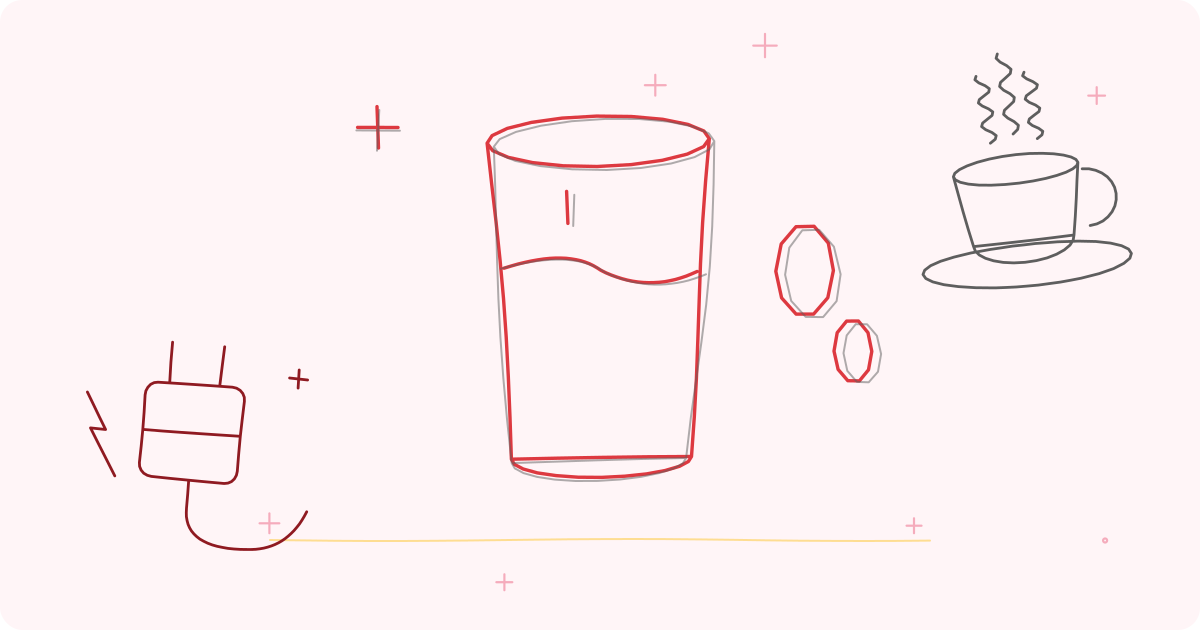
Many older adults boil water several times a day for tea, and a kettle left on can boil dry, overheat and cause a fire or melt.
Auto-off kettles. An electric kettle with an automatic switch-off when the water boils, and ideally also a boil-dry protection that turns it off if the water runs out. Look for:
- A switch-off that works every time. The kettle should turn itself off at boiling, not rely on the user.
- Boil-dry protection.
- A cordless base, so the kettle can be lifted without dragging a cable.
- A lid that locks and a handle that stays cool, and a spout that does not splash.
- A water-level window that is clear, with large markings for people with poor eyesight.
- A lightweight body, and a capacity that is not too large to lift when full. For weak hands, a smaller size or a tipping stand may help.
- Stability: a wide base that does not tip.
- A cool-touch or double-wall body, reducing burn risk from touching the outside.
- A safe cable length, not trailing across the counter or hanging where it could be pulled.
- Quality and electrical safety: a properly earthed plug, good build and a recognised standard; see spotting fake or poor quality care products.
Place the kettle on a stable counter near an outlet, away from the edge. Teach a routine: fill, close the lid, switch on, wait, pour away from the body. Consider pouring into a thermos so that hot water is available without repeated boiling. Do not use an open pan of water on the gas if an electric kettle is available.
Hot drink safety. Use mugs with lids and handles, and carry on a tray or trolley. Do not carry hot liquids while using a walker; see walking frame buying guide. Let drinks cool before giving to someone with tremor or dementia.
Gas stoves and LPG
Gas cooking is common in India and carries specific risks: unburnt gas, leaks, flame blow-out and fire.
Safer habits:
- Turn off the regulator at the cylinder at night and when leaving the house for long.
- Light the burner with a gas lighter rather than matches, and keep it away from children and confused people.
- Never leave a pan unattended on the flame. Stay in the kitchen, or turn it off.
- Check the hose for cracks and the connection for leaks, using soapy water to look for bubbles, never a flame. Replace hoses on a regular schedule and use a certified hose and a regulator.
- Keep the kitchen ventilated, with a window open or an exhaust fan.
- Keep flammables away: curtains, towels, paper, plastic and oil bottles.
- Do not wear loose sleeves or dangling dupattas near flames; tuck them in, or use close-fitting sleeves and aprons.
- Use sturdy pots with secure handles turned inward.
- Know where the regulator and main switch are, and teach others in the house.
- If you smell gas: do not light a flame, do not switch lights or electrical devices on or off, open windows and doors, turn off the regulator if it is safe to do so, leave the house and call for help; see smoke and gas safety for older adults.
Devices for gas:
- A gas leak detector, a small alarm that senses LPG and sounds an alert. Place it at the recommended height (LPG is heavier than air and settles low; follow the manual), check batteries and test. Some link to an automatic shut-off valve.
- A flame-failure device on some stoves, which cuts the gas if the flame goes out.
- A cylinder safety valve or automatic regulator shut-off.
- A stove guard or timer, such as a plug-in timer for electric stoves, or a device that senses the heat and absence of movement and cuts power; availability for gas is limited. Ask a qualified technician.
- A smoke or heat detector in the kitchen; see smoke and gas safety for older adults.
All gas devices should be fitted by a qualified person, and cylinders and regulators should come from a reputable distributor. Do not tamper with gas fittings yourself.
Electric, induction and microwave cooking
Induction cooktops heat the pan, not the surface, and have no flame or gas. Choose a model with a timer, automatic shut-off when the pan is removed, overheat protection and large controls; the surface may still be hot. Microwave ovens switch off automatically and involve no flame; use microwave-safe containers, stir and test food temperature. Electric rice and pressure cookers often have automatic switch-off or keep-warm settings, but check that the person can use them safely.
Timers and reminders
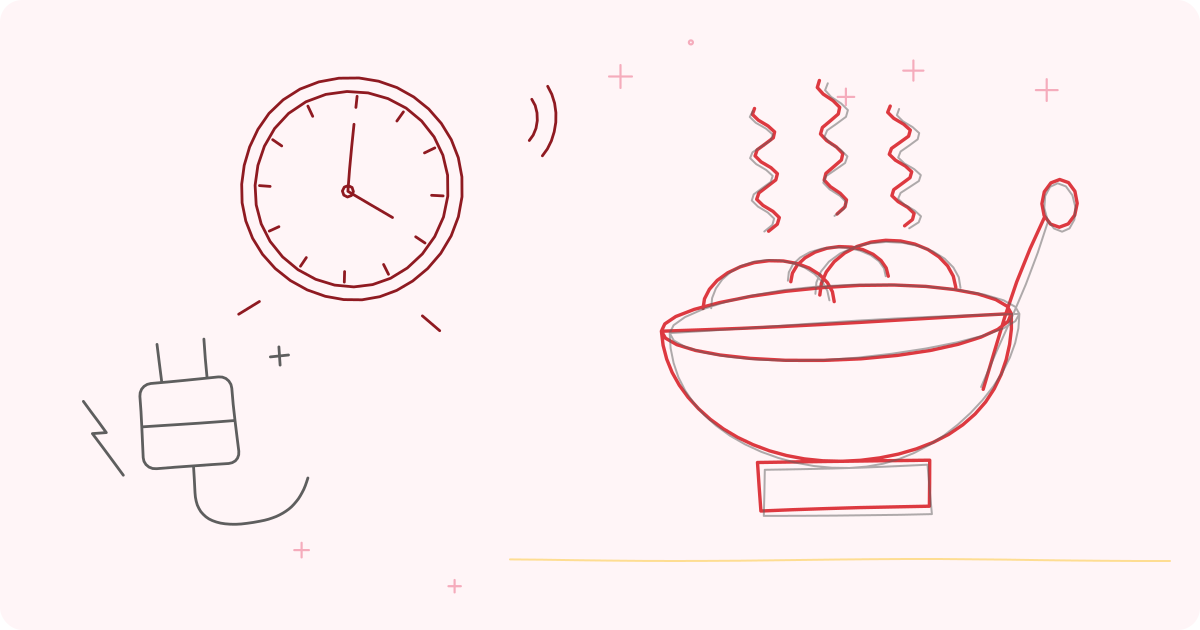
- A simple kitchen timer with a loud bell and large numbers, set every time the stove or oven is on.
- A talking or beeping timer for people with low vision; see talking clock guide.
- Phone reminders, if the person uses a phone.
- A plug-in timer or smart plug that cuts power to an electric appliance after a set time. Check it is rated for the appliance load.
- A reminder card by the stove: "Is the stove off? Is the kettle off?"
- A visual cue, such as a bright magnet placed on the stove when it is on, and moved when off.
- A kitchen routine, such as touch each knob and say "off" before leaving.
Reducing risk without taking away independence
Involve your parent in choosing safer equipment and explain that it makes cooking easier. Simplify the menu (see cooking for one older adult), prefer appliances with automatic shut-off, reorganise the kitchen at waist height with good light (see kitchen setup for seniors), arrange meals from family or a helper on hard days and cook together where possible. Look for clues such as scorch marks or burnt pans. A door or motion sensor can show night-time kitchen visits; see door sensor guide.
Fire and burn response
- Small pan fire: turn off the heat if safe, cover the pan with a lid or a damp (not wet) cloth. Never use water on an oil fire. Do not move the pan.
- Fire spreading or you are unsure: leave the home, close the door behind you, and call 112 (India's emergency number; the fire service may also be reached on 101).
- Clothing on fire: stop, drop and roll, or smother with a blanket.
- Burns: cool with cool running water for about 20 minutes, cover loosely, and seek medical help for anything beyond a very small burn; see hot water and scald safety for older skin.
- Keep a fire extinguisher or fire blanket suitable for kitchen fires, and learn to use it. Keep the escape route clear.
- Practise with your parent what to do, and write the numbers by the phone; see ambulance and emergency numbers in India.
When cooking alone is no longer safe
Consider extra help or taking over the cooking if you notice:
- burnt pans, kettles or utensils, or scorch marks;
- food left on or uncovered, or spoiled food in the fridge;
- the stove or gas left on;
- unexplained small fires or smoke;
- forgetting how to use appliances;
- burns or scalds on the hands;
- unsteady carrying of hot items;
- weight loss and poor eating, which can result from avoiding cooking; see malnutrition in older adults.
Discuss gently with your parent and the doctor. See dementia stages and what each needs, managing a parent who refuses help and home safety for seniors living alone.
No device removes the risk of fire
Auto-off devices and gas detectors reduce risk, but they can fail or be bypassed, run out of battery or be misused. Keep checking them; see safety device batteries and checks. They support, but do not replace, supervision where it is needed.
When to ask a professional
Ask a doctor or memory clinic if you notice forgetfulness around cooking, which may indicate cognitive problems that need assessment. An occupational therapist can assess kitchen function and suggest adaptations; see occupational therapy home assessment. A qualified gas technician or electrician should install and check gas devices, regulators and wiring. For information on services for senior citizens, call Elderline 14567. For fire, gas leak or any emergency, call 112.
Equipment mentioned in this guide
Frequently asked questions
Is an auto-off kettle worth it for a parent who forgets?
Yes. It switches off when the water boils and, with boil-dry protection, when it is empty, removing a common cause of burnt kettles and fires. It does not remove all risk, so keep other safety habits.
Is induction safer than gas for an older person?
Often yes, since there is no flame or gas, and many models have timers and automatic shut-off. The surface can still be hot, and pans must suit the hob. Choose simple controls.
What should I do if I smell gas?
Do not light a flame or use switches, open windows, turn off the regulator if safe, leave the home and call for help. Have the system checked by a qualified person before using it again.
How can I tell if it is no longer safe for my father to cook?
Signs include scorched pans, left-on stoves, burns, forgetting how to use appliances and weight loss. Talk with him and the doctor, and arrange safer alternatives and help.
Sources and further reading
- World Health Organization, fact sheet on burns
- National Disaster Management Authority (India), guidance on fire safety at home
- Petroleum and Natural Gas Regulatory Board and oil marketing company guidance on safe use of LPG (India)
- Ministry of Social Justice and Empowerment, Government of India, information on Elderline, the national helpline for senior citizens (14567)
Tags: auto off kettlestove safetygas safety elderlykitchen fireforgetful cookingcooking safety dementiaSafety and alert devicesAuto-off kettle and stove guardDaily living aidsHealthy ageing
This article is for general education and is not medical advice. Speak to your doctor before changing your exercise, diet or medicines.