Why pain is often under-treated in older adults
- Under-reporting. Many older people do not complain, fear being a nuisance or fear that pain means serious disease. Others cannot describe pain because of dementia, stroke or hearing problems.
- Assumption that it is normal. Families and even clinicians may put pain down to age.
- Worry about medicines. Older adults are more sensitive to side effects, and often take several medicines already, so doctors choose carefully; see painkillers and older adults and polypharmacy and deprescribing: taking fewer, better medicines.
- Different presentation. In confusion or dementia, pain can appear as restlessness, calling out, refusing care, poor appetite, aggression or withdrawal rather than words.
Common kinds of chronic pain
- Joint pain from osteoarthritis, often in knees, hips, hands and spine; see arthritis at home: a complete guide for older adults and families and knee osteoarthritis home care.
- Back and neck pain, including spinal narrowing and nerve irritation; see lower back pain in older adults and spinal stenosis and sciatica: walking, pain and aids.
- Nerve pain: burning, tingling, electric or shooting pain, often after shingles or with diabetes; see shingles and nerve pain in older adults and peripheral neuropathy and balance.
- Bone pain from osteoporotic fractures; see osteoporosis at home: preventing fractures and living well.
- Muscle and soft tissue pain, such as frozen shoulder, tendon problems and heel pain; see frozen shoulder home management and plantar fasciitis and heel pain.
- Gout and inflammatory arthritis; see gout home care and supports.
- Pain after stroke, cancer or surgery.
- Pain from pressure, poor seating or poor bedding; see preventing bedsores at home.
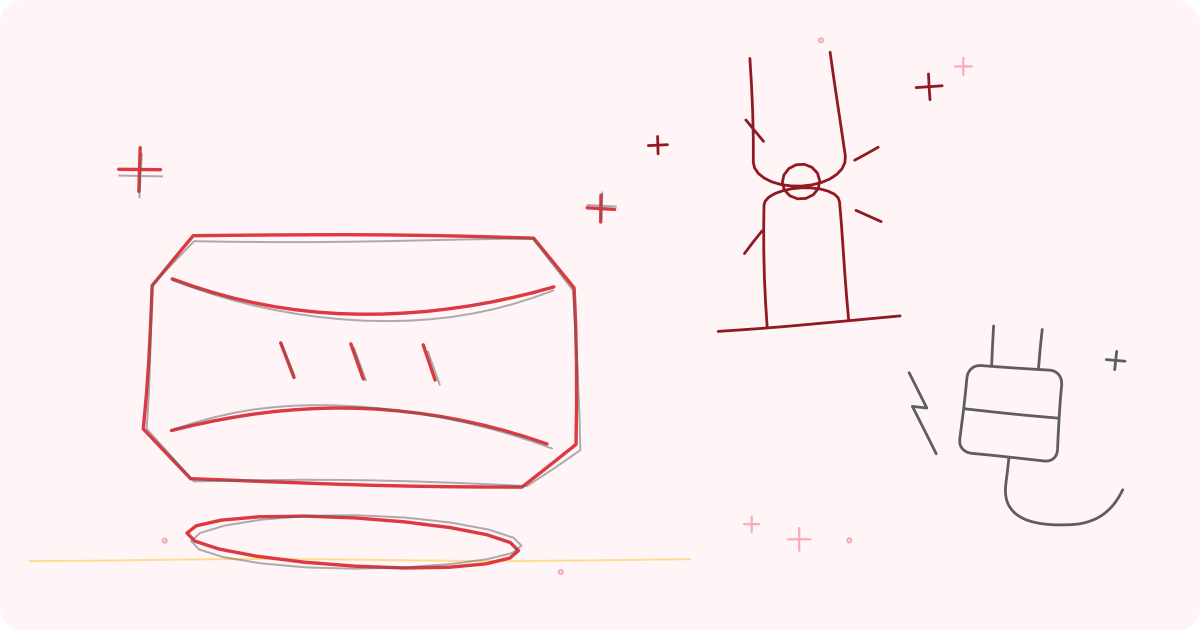
Step one: a proper assessment
Ask the doctor to look for the cause and to treat what can be treated. A good assessment asks where, since when, what kind, what makes it better or worse, how it affects sleep, walking, dressing and mood, and what has already been tried. It includes an examination and, where needed, blood tests or scans. It also reviews all medicines, including those bought without a prescription and traditional preparations. Pain specialists and geriatricians can help when pain is complex.
Describing pain: the pain diary
A simple diary for one or two weeks changes the conversation with the doctor; see pain diary and talking to your doctor. Record:
- Where it hurts (mark it on a body outline if easy).
- How strong, from 0 (none) to 10 (worst imaginable), at its best, worst and average.
- What it feels like: aching, burning, stabbing, throbbing, tight, electric.
- When: morning stiffness, after walking, at night, after sitting.
- What helps and what worsens it.
- What it stops your parent doing: sleeping, bathing, climbing stairs, cooking, prayer, visiting.
- Medicines taken and the effect, exactly as prescribed.
For someone who cannot speak, watch face, voice, body and behaviour: grimacing, guarding a limb, groaning, restlessness, resisting movement and sudden changes in behaviour.
Medicines: general principles
Choosing pain medicines is the doctor's job. Families can help by following a few rules:
- Use only what was prescribed for this person, exactly as directed. Do not share or borrow tablets, and do not use leftover medicines.
- Never stop a prescribed medicine suddenly or change the amount without asking, and never add extra for a bad day.
- Report side effects early: drowsiness, confusion, constipation, stomach pain, black stools, swelling, dizziness, falls, breathlessness. See medicine side effects families should watch for.
- Tell every doctor and the pharmacist about all medicines and supplements, including herbal oils and tablets; see supplements and medicine interactions: a safety guide.
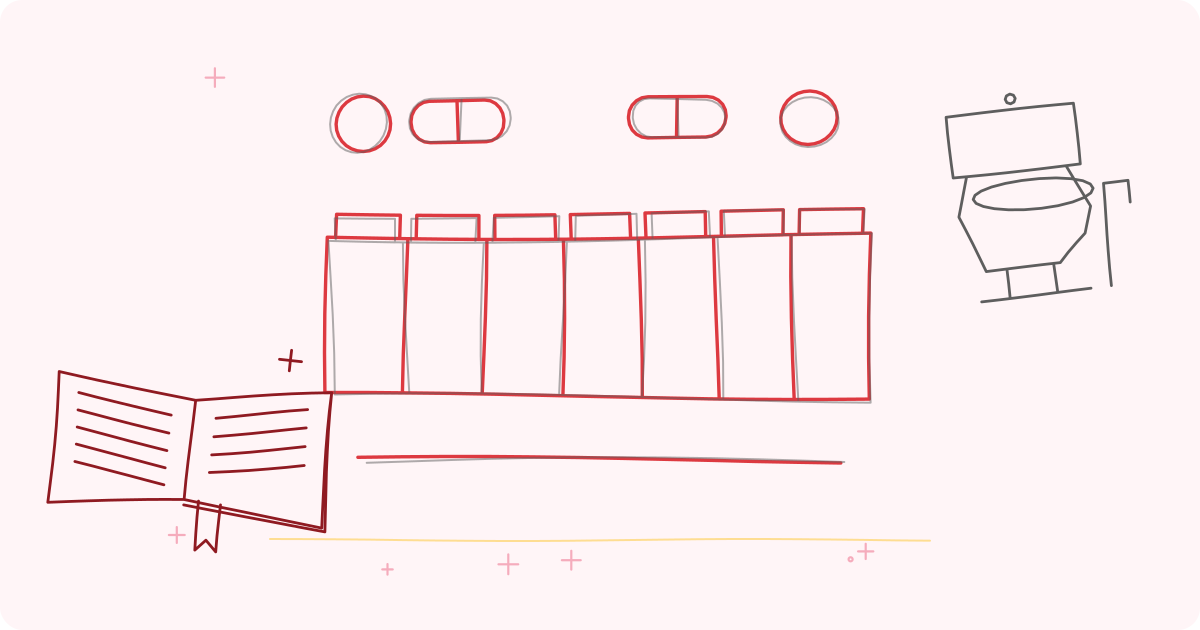
- Keep a written list with times; use a pill organiser if helpful; see pill organiser guide.
- Be cautious with creams and rubs over broken skin, with heat, or under bandages, and do not combine several at once without advice.
Movement: the most underused treatment
It seems illogical, but resting a painful body usually makes pain worse over time, because muscles weaken, joints stiffen and fear of movement grows. Gentle, regular activity is among the best-supported approaches for chronic pain in older adults.
- Start where your parent is, in minutes not hours, and increase slowly. A physiotherapist can design a safe programme; see exercises for knee and hip pain, exercise with arthritis and stretching for stiff older bodies.
- Mix types: walking or pedalling, strengthening, balance and stretching; see chair exercises for seniors, walking programme for older adults and resistance band routine for seniors.
- Some muscle ache after new activity is expected; sharp, severe or lasting pain, swelling, or pain that wakes the person at night is a reason to stop and ask the physiotherapist or doctor.
- Use supports safely: a stick, frame or rollator reduces load and fear of falling; see how to choose a walking stick and walking aids for knee arthritis.
Pacing: avoid the boom-and-bust cycle
Many people do too much on a good day, then pay for it with several bad days, then do too little. Pacing means doing a steady, planned amount every day.
- Break large tasks (bathing, cooking, shopping) into steps with rest between.
- Alternate sitting and standing tasks.
- Do the hardest tasks at the best time of day.
- Stop before pain forces a stop.
- Increase activity gradually, week by week.
An occupational therapist can suggest energy-saving techniques and equipment; see occupational therapy home assessment.
Comfort measures at home
- Warmth can ease stiff joints and muscles. Use a hot pack with a cover, for a limited time, checking the skin often; never on numb, broken or swollen skin, and never to sleep with; see heat or cold for joint pain and hot pack safety for older skin. Cold can help for a hot, swollen joint for a short time with a cloth barrier.
- Supports and braces for specific joints, fitted properly and used as advised; see knee support buying guide, back belt guide and wrist support guide.
- Seating and bedding: a chair of the right height, a lumbar cushion, the right mattress and pillows; see lumbar cushion guide, mattress hardness for back pain and choosing a chair for an older person.
- TENS machines may give short-term relief for some people, but they are not suitable for everyone, for example those with pacemakers, and must not be used on broken skin, the neck front or while driving or bathing; ask a clinician first; see TENS unit guide and TENS for back and knee pain.
Sleep, mood and mind
- Pain and sleep feed each other. Keep a regular routine, a comfortable bed, a calm bedroom and limited caffeine; see insomnia in older adults: sleep hygiene and when to get help.
- Low mood and anxiety are common with chronic pain and are treatable; see depression in older adults and anxiety in older adults.
- Mind-body skills help: slow breathing, relaxation, gentle yoga, prayer or meditation, music, and distraction; see breathing exercises for seniors. They do not mean the pain is imaginary; they change how the nervous system handles it.
- Talk about fears, especially "Is this cancer?" or "Will I end up in a wheelchair?" Reassurance from a doctor often lowers pain.
- If your parent talks of not wanting to go on, or of being a burden, take it seriously, stay with them and seek help the same day. In India, Tele-MANAS (14416) is the national mental health helpline (check the current number). If there is immediate danger, call 112.
Red flags: seek urgent help
Call 112 or go to hospital for: - Sudden severe chest, jaw or arm pain, breathlessness, sweating or fainting. - Sudden severe headache, face droop, weakness or speech difficulty; see stroke warning signs and the first hour. - Severe abdominal pain, with vomiting, a hard belly or black or bloody stools. - A fall with severe pain, deformity or inability to bear weight. - Back pain with new leg weakness, numbness in the groin or saddle area, or loss of bladder or bowel control. - A hot, red, swollen, very painful joint with fever. - Pain with sudden confusion or drowsiness.
See a doctor within days for: pain that is new, worsening or not responding; night pain; unexplained weight loss; fever; a swollen, red or hot leg; pain that stops sleep or eating; and any medicine side effects.
When to ask a professional
Ask the doctor to assess and treat the cause, and for a pain clinic referral if pain persists. Ask a physiotherapist for a safe exercise plan, an occupational therapist for home adjustments, a pharmacist for a medicine review and a counsellor or geriatric psychiatrist if mood or fear is a major part of the picture. Bring the pain diary to appointments.
Equipment mentioned in this guide
Frequently asked questions
Is pain just part of being old?
No. Some conditions are common with age, but persistent pain has causes that can be assessed and often reduced.
Should my mother rest when she is in pain?
Short rest is fine, but long rest usually worsens stiffness and weakness. Gentle, graded activity, guided by a physiotherapist, is generally better.
Can my father stop his pain tablets once he feels better?
Never stop or change prescribed medicines on your own. Ask the doctor, who will advise on reducing safely.
Are heat packs safe?
Used carefully, with a cover, for limited time and on healthy skin, yes. Avoid on numb, swollen or broken skin and never sleep on one.
How do I know if someone with dementia is in pain?
Look for grimacing, moaning, restlessness, guarding, refusing movement or sudden behaviour changes, and tell the doctor.
Sources and further reading
- National Institute for Health and Care Excellence, NG193 Chronic pain (primary and secondary) in over 16s
- British Pain Society and British Geriatrics Society, guidance on the assessment of pain in older people
- International Association for the Study of Pain, resources on pain in older adults
- World Health Organization, World report on ageing and health (2015)
Tags: chronic painpain managementelderly painpain diarypacingnerve painheat therapypain and moodConditions and devicesJoint and pain support
This article is for general education and is not medical advice. Speak to your doctor before changing your exercise, diet or medicines.