Understanding the conditions
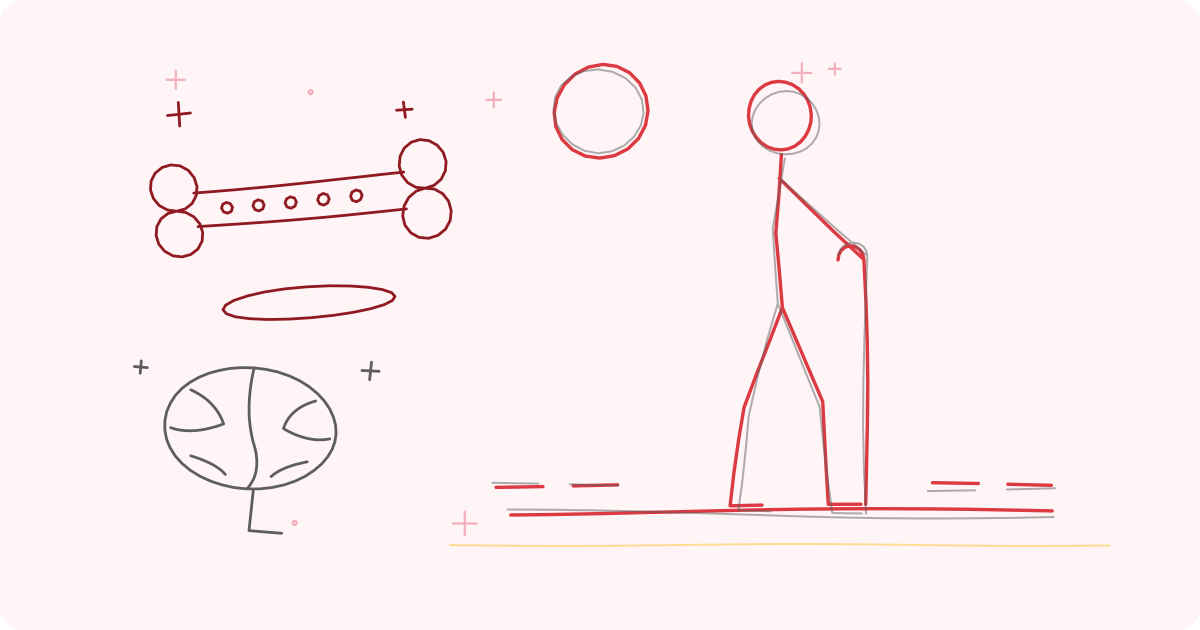
Spinal stenosis means the central canal of the spine, or the small side openings where nerves leave, becomes narrower, squeezing nerves. In older adults, it is most common in the lower back (lumbar) and sometimes the neck. Causes are wear-and-tear changes: thickened ligaments, bone spurs, bulging discs, slipped vertebrae and facet joint arthritis.
Sciatica describes pain from irritation of the sciatic nerve or its roots, felt from the lower back or buttock down the leg, sometimes to the foot. It can come from a disc, stenosis, a slipped vertebra or other causes, and it is not itself a diagnosis but a symptom.
Typical symptoms
Lumbar spinal stenosis (neurogenic claudication) - Aching, heaviness, cramping, tingling or numbness in the buttocks, thighs and legs, often both sides. - Comes on with standing or walking, eases when sitting or leaning forward, such as on a shopping trolley, a walker or a railing. - Walking distance gradually shortens. - Some feel unsteady or "legs giving way." - Back pain may be mild or absent.
Sciatica - Sharp, burning or electric pain on one side, from back or buttock down the leg. - Tingling, numbness or weakness in the leg or foot. - Worse with sitting, coughing, sneezing or bending; better lying or walking, depending on the cause.
Neck stenosis (cervical) - Neck stiffness, arm pain, numbness or clumsy hands, and sometimes unsteady walking; see cervical collar and neck pain.
These symptoms can overlap with circulation problems in the legs, which cause leg pain on walking but are usually relieved by simply stopping, not by sitting or bending, and often come with cold, pale feet or poor pulses; with diabetic nerve damage; and with hip and knee arthritis. A doctor should sort out the cause; see peripheral neuropathy and balance and knee osteoarthritis home care.
Red flags: seek urgent help
Call 112 or go to the emergency department immediately for: - New loss of bladder or bowel control, or being unable to pass urine, together with back or leg symptoms. - Numbness around the groin, genitals or inner thighs ("saddle" area). - New or rapidly worsening weakness in a leg or foot, such as foot drop, or both legs. - Severe back pain after a fall or injury, especially in someone with osteoporosis; see osteoporosis at home: preventing fractures and living well and what to do after a fall. - Back pain with fever, chills, unexplained weight loss or a history of cancer or infection. - Sudden severe pain with a cold, pale or blue leg, or leg swelling with breathlessness.
See a doctor within days for pain that is worsening, wakes the person at night, does not settle with rest, or is associated with numbness or weakness, or falls.
What the doctor may do
- History and examination: walking, posture, strength, reflexes, sensation, pulses. - Imaging: an MRI is the usual scan to see the canal and nerves; X-rays and CT may also be used. Many older adults have narrowing on scans without symptoms, so scan results are interpreted with the examination. - Other tests: blood tests, circulation tests, nerve studies. - Treatment choices: - Non-surgical: physiotherapy, activity modification, pain management, treatment of other problems, and sometimes injections near the nerves. - Surgery to widen the canal or remove pressure is considered if symptoms are severe, progressive or not helped by other measures, and if the person is fit enough; a surgeon explains benefits and risks.
Medicines are chosen by the doctor, particularly because pain medicines can be risky in older adults; never give leftover or borrowed tablets and never stop or change prescribed medicines on your own; see painkillers and older adults and chronic pain in older adults: a whole-person approach.
Walking: what helps
- Walk in short bouts with planned sits. If walking brings on leg symptoms, stop and rest in a position that eases them, often sitting or leaning forward, then continue. Plan routes with benches or chairs.
- Lean forward slightly. A stooped posture opens the spinal canal, which is why a rollator or shopping-trolley style frame often lets people walk much farther; see rollator buying guide, rollator brakes and seat safety and rollator on Indian pavements. A rollator with a built-in seat allows rests.
- Choose the right aid: a stick helps with one-sided sciatica; a frame or rollator is often better for stenosis; see stick or walker: which one does my parent need, how to choose a walking stick and walking stick height fitting.
- Use a stationary bicycle or pedal exerciser, which many people with stenosis tolerate better than walking because the posture is forward-leaning; see pedal exerciser guide.
- Footwear: supportive, well-fitting, non-slip shoes; see choosing shoes for older feet and walking aids and footwear.
- Gait and balance: weakness and numbness raise fall risk; a physiotherapist can assess; see physiotherapist gait assessment and balance exercises for seniors.
Sitting, standing and sleeping
- Sit with support: a firm chair with a back, feet flat, and a lumbar cushion if it eases the back; avoid soft, sagging seats; see lumbar cushion guide, choosing a chair for an older person and sitting for long hours: seniors.
- Change position often, every half hour; do not stay in one posture too long.
- Car journeys: break up long trips, and use a cushion; see car seat cushions for older passengers and getting an elderly person in and out of a car.
- Sleep: a medium-firm mattress; lie on the side with a pillow between the knees, or on the back with a pillow under the knees; see mattress hardness for back pain and pillows for side sleepers and shoulder pain.
- Getting up from bed: roll to the side, push up with the arms, and swing the legs down together; see bed height and getting out of bed.
- Lifting and bending: bend the knees, not the back; keep loads close; avoid twisting; see how to lift and transfer safely.
- Back belts: a soft support may give short-term comfort and a reminder to move carefully, but should not be worn all day since it may weaken muscles; ask the physiotherapist; see back belt guide.
Exercise and physiotherapy
Staying active is one of the most useful things for the spine, although it may feel counterintuitive. A physiotherapist can design a programme including: - Walking or cycling in flexible bouts. - Gentle strengthening of the core, hips and legs; see resistance band routine for seniors. - Flexion-based and stretching exercises that open the canal, and stretches for tight hips and hamstrings; see stretching for stiff older bodies. - Balance training. - Posture and movement advice for daily tasks.
Avoid exercises that arch the back sharply or involve heavy lifting or twisting unless your physiotherapist says so. Stop and seek advice if exercise increases leg weakness or numbness. See also lower back pain in older adults.
Comfort measures
- Warmth can ease muscle tightness; use a covered hot pack for a short time on healthy skin, never while sleeping; see heat or cold for joint pain and hot pack safety for older skin.
- TENS may help some people with pain; ask a clinician and follow safety rules; see TENS for back and knee pain.
- Pacing: spread tasks over the day and avoid prolonged standing at the kitchen counter; sit to peel and chop; see kitchen setup for seniors.
- Home setup: raised toilet seat, grab bars and a shower chair reduce strain; see raised toilet seat guide and bathing safely with a shower chair.
- Mood and sleep: persistent pain affects both; see depression in older adults. If your parent speaks of hopelessness, seek help the same day; Tele-MANAS (14416) is India's national mental health helpline (check the current number), and 112 is the emergency number.
- Weight: if overweight, a gradual reduction can reduce load on the spine, with dietician support.
When surgery is considered
Surgery may be offered when walking is severely limited, pain is intolerable, weakness is progressing or nerve compression threatens bladder or bowel function. Discuss expected benefits, recovery time, risks (infection, bleeding, nerve injury, anaesthetic risks in older adults) and the possibility that symptoms may return. Second opinions are reasonable. Rehabilitation after surgery matters; see rehabilitation after fracture or surgery: a physiotherapy plan and recovery after major surgery in older adults.
When to ask a professional
Ask the doctor for assessment of leg pain or numbness, especially if walking is shrinking. Ask a physiotherapist for a movement and aid plan, an occupational therapist for home changes, and a spine specialist or pain clinic for persistent symptoms. Ask a pharmacist about medicines. Seek urgent help for the red flags above.
Equipment mentioned in this guide
Frequently asked questions
Does my mother need a scan for leg pain on walking?
A doctor will decide after examination. Scans are most useful when symptoms are severe, getting worse or surgery is being considered.
Why does leaning on a trolley help?
Leaning forward opens the narrowed spinal canal, easing pressure on the nerves.
Is exercise safe with spinal stenosis?
Usually yes, and helpful, if guided by a physiotherapist and adapted to symptoms.
Will sciatica go away on its own?
Many cases improve over weeks to months, but persistent, severe or worsening symptoms need medical review.
What is the most urgent warning sign?
New loss of bladder or bowel control, numbness in the saddle area, or rapidly worsening leg weakness. Call 112.
Sources and further reading
- National Institute for Health and Care Excellence, NG59 Low back pain and sciatica in over 16s
- North American Spine Society, clinical guideline on lumbar spinal stenosis
- Indian Orthopaedic Association and Indian Spinal Injuries Centre, patient information on spinal conditions
- World Health Organization, guideline on chronic primary low back pain in adults (2023)
Tags: spinal stenosissciaticaleg pain walkingback pain elderlyrollatorposturenerve compressionConditions and devicesMobility and walking aidsCushions, pillows and comfort
This article is for general education and is not medical advice. Speak to your doctor before changing your exercise, diet or medicines.