The days and weeks after surgery
- Hospital stay and early rehabilitation: wound care, pain control, learning to move in bed, transfer to a chair or wheelchair, and starting exercises. A physiotherapist and occupational therapist should begin early.
- Wound healing takes weeks, longer in people with diabetes or poor circulation. Stitches or staples are usually removed after two to three weeks.
- Swelling of the stump is common and is managed by positioning, compression wrapping or special socks as the team instructs.
- Preparing for discharge: ask for written wound instructions, exercises, medicines list, follow-up, contact numbers, and what to do if the wound or other foot has a problem; see hospital admission and discharge for older adults: a checklist.
Caring for the wound and stump
- Keep it clean and dry, following the nurse's instructions on dressings. Wash hands before touching it.
- Check the stump daily, with a mirror if needed, for redness, swelling, heat, opening of the wound, pus or smell, blisters, pressure marks and colour change. Report problems the same day.
- Do not apply creams, oils, powders or herbal pastes unless the team advises.
- Once healed, wash the stump daily with mild soap and lukewarm water, dry well, and moisturise as advised, avoiding the healed scar line if told so.
- Shrinker socks or bandages reduce swelling and shape the stump; use as shown and do not wrap too tightly. A tight band can cut off circulation.
- Position: avoid keeping a bent knee or hip for long periods, which can cause permanent stiffness (contracture). For a leg amputation, avoid placing a pillow under the knee when lying, and avoid sitting for hours with the knee bent; do the lying-flat or stretching exercises the physiotherapist teaches. Do not rest the stump on a pillow for long unless advised.
- Prevent pressure injuries on the stump, buttocks and heels; see preventing bedsores at home, pressure ulcers: stages and care and wound care at home for older adults.
- Blood sugar control speeds healing and protects the other foot; see diabetes after 60: a home care guide.
- Nutrition: protein and fluids for healing; see how much protein do older adults need.
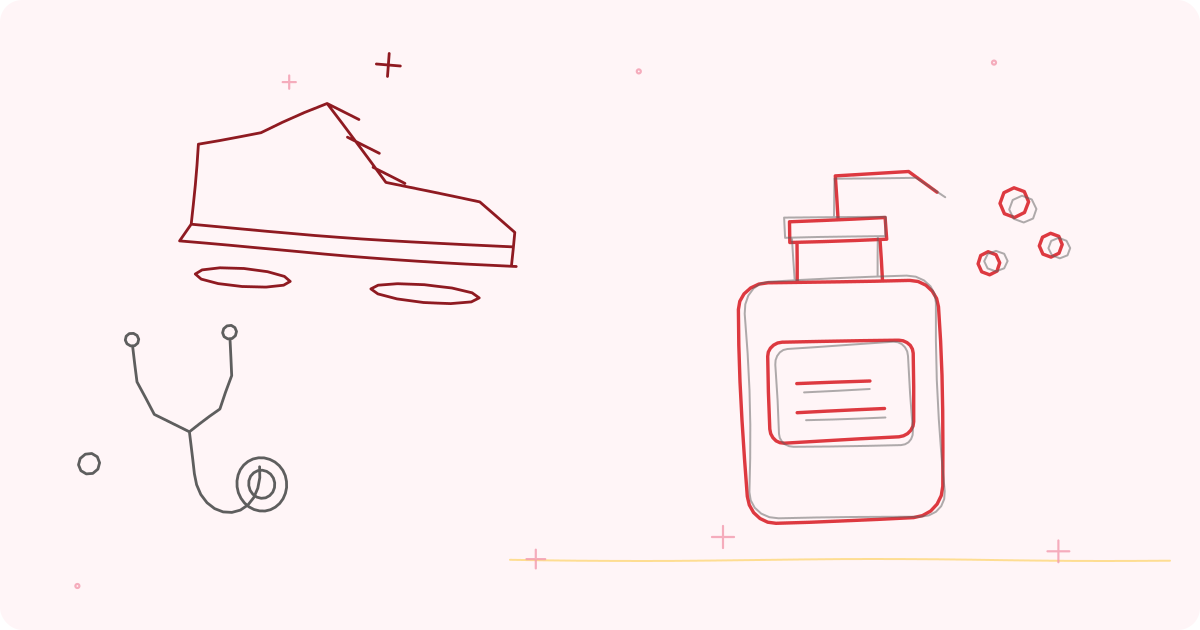
Pain and phantom sensations
- Surgical pain is expected at first and treated by the team. Use only prescribed medicines as directed; see painkillers and older adults.
- Phantom sensations (feeling that the missing limb is present, itching, tingling, pressure) are very common and usually harmless.
- Phantom limb pain (burning, cramping, shooting pain felt in the absent limb) affects many people. It is real, not imagined. It tends to improve over time, but tell the doctor, because there are treatments, including nerve pain medicines chosen by the doctor, physiotherapy methods such as mirror therapy and desensitisation, gentle tapping or massage of the stump, and relaxation techniques; see chronic pain in older adults: a whole-person approach and peripheral neuropathy and balance.
- Stump pain from pressure, infection or a nerve lump (neuroma) needs examination.
Rehabilitation
A rehabilitation team may include a doctor, physiotherapist, occupational therapist, prosthetist, nurse, dietician and counsellor. Goals are to prevent complications, regain strength and independence, and decide on the best way of moving.
Early exercises (as taught) - Strengthening of the stump, hips, core and the other leg; upper-body strength for transfers and walking aids. - Range-of-motion and stretching to prevent stiffness. - Balance training, sitting and standing. - Bed mobility and transfers to chair, commode and wheelchair; see bed transfer techniques and how to use a transfer belt. - Desensitisation of the stump by gentle touch and rubbing with different textures. - General fitness: seated exercises, pedalling, resistance bands; see chair exercises for seniors and resistance band routine for seniors.
Walking aids and wheelchair: many older adults use a walking frame or crutches for short distances (with or without a prosthesis) and a wheelchair for longer ones; see wheelchair buying guide for India, renting vs buying a wheelchair, wheelchair seat width and measurements, pushing a wheelchair safely, walking frame buying guide and pressure care in a wheelchair. Choose cushions for pressure relief; see cushions for wheelchair users.
Will a prosthesis be possible?
Not everyone will use a prosthesis, and that is acceptable. The rehabilitation team considers: - Level of amputation (below or above the knee), the condition of the stump and the other leg. - Overall health, heart and lung fitness, balance, strength and cognition. - Energy needs: walking with a prosthesis, especially after an above-knee amputation, requires much more energy than walking on two legs. - Goals and home environment: a prosthesis may be used for short indoor walking, transfers or outdoor mobility. - Wound healing and stump shape, usually stable after weeks to months.
If suitable, a prosthetist takes measurements and makes a socket and limb; fitting and adjustment take several visits as the stump changes shape. Training with a physiotherapist is essential.
Questions to ask the prosthetist: 1. Is a prosthesis suitable, and what are the realistic goals? 2. What type of socket and foot or knee components are advised for my parent, and why? 3. How many visits are needed, and what does it cost? Are there government or charitable schemes for artificial limbs? See government schemes for senior citizens. 4. How do we care for and clean it, and how often does it need adjustment or replacement? 5. How do we recognise a poor fit (pain, redness, blisters)? 6. Who do we call for repairs?
Prostheses must be used with socks and checked skin daily; remove it and call the team if there is pain, a blister, or pressure marks that do not fade within about fifteen to twenty minutes.
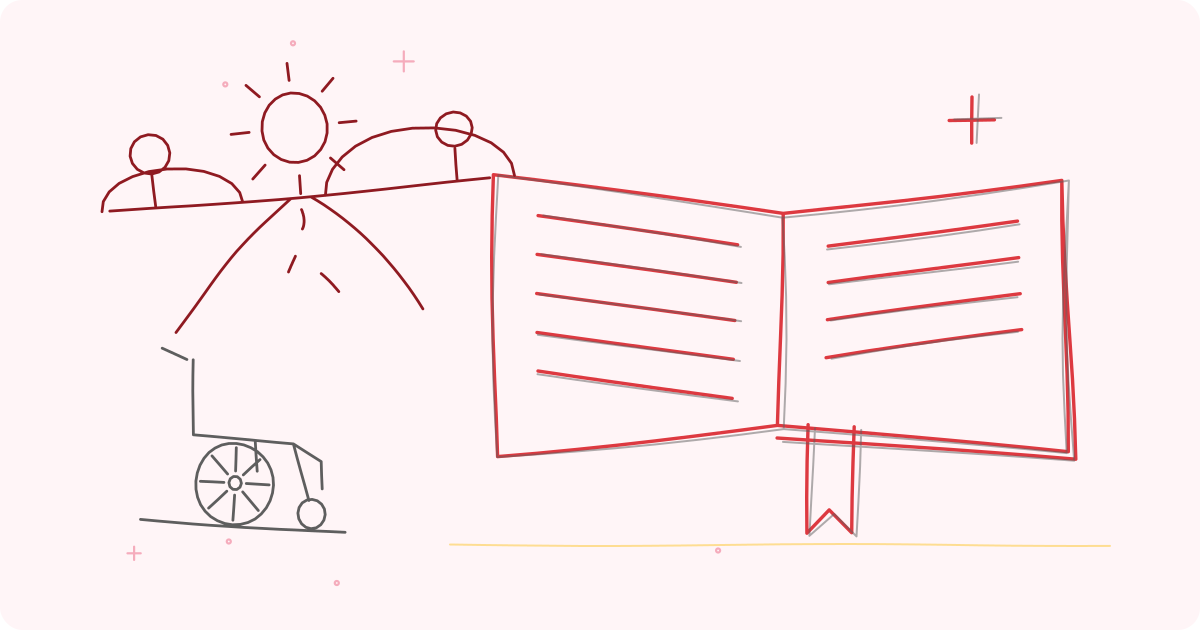
Setting up the home
An occupational therapist can assess the home; see occupational therapy home assessment.
- Doorways, corridors and thresholds: wide enough for a wheelchair or walker; ramps for steps; see portable ramps for thresholds, bathroom layout for wheelchair users and stairs, steps and thresholds.
- Floor level: consider sleeping and living on the ground floor; see ground floor vs upper floor living.
- Bed: at a height that allows safe transfers; a hospital bed may help; see bed height and getting out of bed and hospital bed at home guide.
- Bathroom: a shower chair or bench, grab bars, handheld shower, non-slip floor and a commode or raised toilet seat; see shower chair buying guide, grab bar buying guide, bath transfer bench guide and commode chair guide. Falls often occur in the bathroom, particularly when hopping.
- Night routine: night lights, a commode or urinal near the bed; see bedside commode and urinal routines and motion night lights for seniors.
Falls and protecting the other leg
- Avoid hopping and standing unaided until the physiotherapist says it is safe. Falls are a leading cause of injury and wound problems after amputation; see what to do after a fall and falls risk assessment at home.
- Check the remaining foot every day, because it now bears more load and is at risk of ulcers, particularly in diabetes: look for redness, blisters, cuts, nail problems and dry cracks; never walk barefoot; wear proper shoes and cushioned insoles; see diabetic foot care at home, diabetic foot ulcers: prevention, choosing shoes for older feet and insoles for foot pain.
- Seek help early for any wound on the other leg or foot.
Mind and emotions
Grief, anger, fear, low mood, embarrassment and a sense of loss of identity are common and normal. Many people also worry about being a burden. Support helps: - Talk openly; listen without rushing to cheer up. - Meet others who have had amputations, through hospital peer groups or charities. - Keep roles and routines: involve your parent in family decisions and household tasks they can do. - Counselling: ask the team; see depression in older adults, anxiety in older adults and grief and bereavement in later life (losses of body and role can bring grief too). - If your parent speaks of not wanting to live, stay with them and seek help the same day. In India, Tele-MANAS (14416) is the national mental health helpline (check the current number), and 112 is the emergency number.
Red flags
Call 112 or go to the emergency department for: heavy bleeding; sudden severe pain with a cold, pale or blue limb or other foot; chest pain or breathlessness; a swollen, painful calf with breathlessness; spreading redness with fever and confusion; a fall with injury; stroke signs.
Call the doctor the same day for: wound opening, pus, smell, increasing redness or swelling, fever, a new blister or sore on the stump or other foot, pain that is worse, high or low blood sugar readings, or a prosthesis that hurts.
When to ask a professional
Ask the surgeon and rehabilitation team for a clear plan, the prosthetist about fitting, the physiotherapist for exercises, the occupational therapist for home changes and the counsellor for emotional support. Ask the diabetes team and a podiatrist about foot care. Seek urgent help for red flags.
Equipment mentioned in this guide
Frequently asked questions
Will my father be able to walk again?
Many people walk with a prosthesis, but it depends on health, strength, balance, the level of amputation and goals. The rehabilitation team can advise.
Is phantom pain a sign of mental illness?
No. It is common, real and treatable.
Is a wheelchair a failure?
No. It is a tool that keeps people active and safe, whether alone or alongside a prosthesis.
How soon can a prosthesis be fitted?
Usually after the wound has healed and swelling has settled, often weeks to a few months.
How do we prevent another amputation?
Daily foot checks, good diabetes, blood pressure and cholesterol control, no smoking, proper footwear and prompt treatment of any wound.
Sources and further reading
- National Institute for Health and Care Excellence, NG19 Diabetic foot problems: prevention and management
- British Society of Rehabilitation Medicine, standards for rehabilitation after amputation
- International Society for Prosthetics and Orthotics, guidance on lower limb prosthetic services
- Department of Empowerment of Persons with Disabilities, Government of India, schemes for assistive devices
Tags: amputationprosthesisstump carephantom limb painwheelchairrehabilitationdiabetic footmobilityConditions and devicesMobility and walking aids
This article is for general education and is not medical advice. Speak to your doctor before changing your exercise, diet or medicines.