Principles
- Consent, privacy and dignity: explain, ask, and let the person help; see dignity in intimate care: words, privacy and consent.
- Good light and a comfortable position, with the hand or foot supported.
- Soften first: nails and skin are easiest to handle after a bath, a warm foot soak or a warm, damp towel for five to ten minutes.
- Clean and sharp tools, used only for this person, cleaned with soap and water and wiped with alcohol after use.
- Gentle and unhurried. If the person is distressed, stop and try later.
- Check the skin at every step, and report anything unusual.
- Know your limits: some nails and feet need a professional.
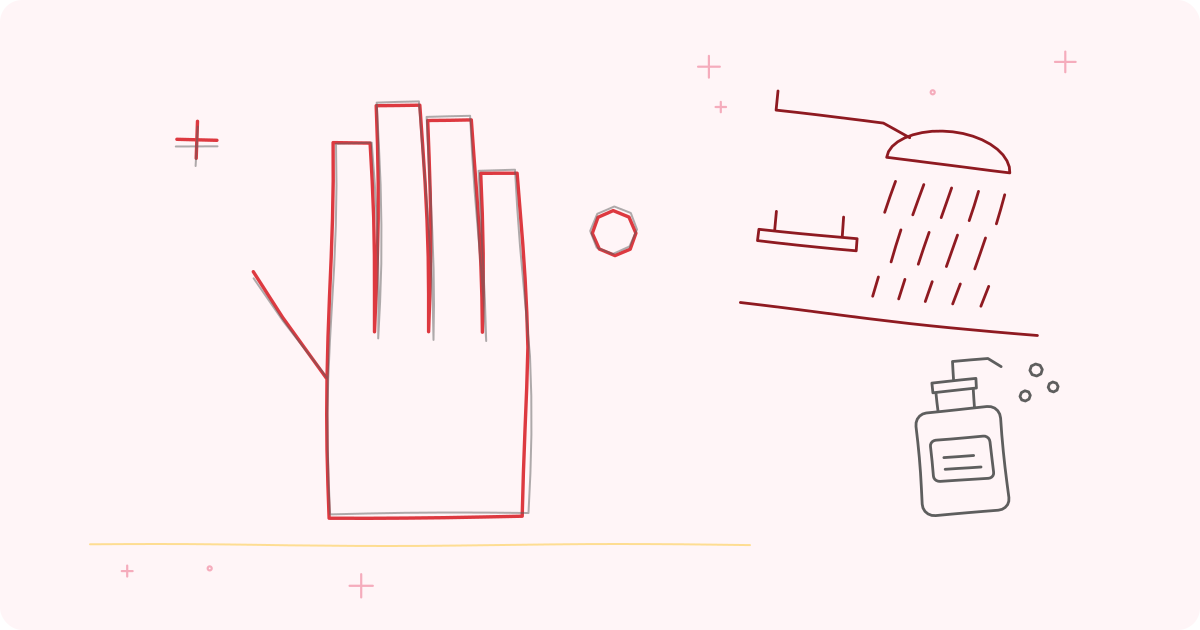
Fingernails
How often: about once a week, or when they grow beyond the fingertip.
Method:
1. Wash hands and soften the nails in warm water or after a bath. Dry thoroughly. 2. Support the hand on a towel, and hold one finger at a time. 3. Use clean nail clippers or small nail scissors. Cut a small curve following the shape of the fingertip, leaving a small free edge, and not cutting into the corners or too close to the skin. Do not cut the cuticle or the skin around the nail. 4. File rough edges with an emery board, in one direction. 5. Moisturise the hands with a fragrance-free cream. 6. Clean the tools afterwards.
For people with dementia or agitation: keep nails short and smooth to prevent scratching; choose a calm moment, use distraction, and never restrain; see dementia challenging behaviours.
Toenails
Toenails are harder, thicker and riskier than fingernails. Many older adults have thickened, curved, discoloured, brittle or fungal toenails that are difficult to cut at home.
When you may trim at home: if the person has no diabetes, poor circulation, numb feet, nail fungus, ingrown nails, fragile skin, blood thinners or other risk, and the nails are normal and easily cut.
Method:
1. Soak the feet in warm (not hot) water for five to ten minutes, dry carefully, especially between the toes, and check for any cuts or sores. 2. Use toenail clippers with a straight edge, not curved scissors. 3. Cut straight across, leaving the corners slightly visible, not rounded into the sides, to reduce the risk of ingrowing. Leave the nail slightly longer than the toe's tip, not cut short. 4. File the edges gently, and avoid digging into the corners. 5. Do not cut the skin, corns, calluses or ingrown parts. Do not use blades to dig out the nail edges. 6. Moisturise the foot but not between the toes. 7. Stop if there is bleeding, pain or difficulty.
See a podiatrist, nurse or doctor instead if:
- The person has diabetes, poor circulation, numbness or neuropathy, previous foot ulcers, or is on blood thinners; see diabetic foot care at home, diabetic foot ulcers: prevention and early warning signs and neuropathy foot care.
- Nails are very thick, hard, crumbly, discoloured, painful or curved, suggesting fungus or other conditions.
- There are ingrown nails, redness, swelling or pus.
- The skin around is cracked, bleeding or infected.
- The person has swollen feet or legs, cold feet, or colour changes.
- You cannot see clearly or the person cannot stay still.
In those cases, a trained professional should trim nails, with the right equipment; ask about community or hospital podiatry clinics, or a visiting nurse.
Hair and scalp care
Washing frequency: about once a week or as needed for a bedridden person; more often in hot, sweaty weather, or if the scalp is oily, and less often if the skin is very dry. Daily brushing keeps hair neat.
Washing in bed:
1. Prepare: a waterproof sheet or large plastic under the head and shoulders, towels, a bed shampoo basin or a flexible tray, a jug of warm water, a small amount of mild shampoo, and a bucket for waste water. Alternatively use a no-rinse shampoo cap warmed as per instructions, which is simple and clean. 2. Support the head and neck with a pillow or a hand, and slightly tilt back over the basin. Do not strain the neck, particularly after a stroke, in arthritis or with spinal problems; ask a nurse. 3. Wet the hair with warm water, taking care to protect the eyes and ears with a damp cloth. 4. Apply shampoo, massage the scalp gently with fingertips, not nails, and rinse thoroughly. 5. Towel dry, and use a hairdryer on a low, cool setting at a safe distance if wanted. Ensure the person is not chilled. 6. Comb gently, starting at the ends and working up. 7. Check the scalp for sores, redness, scaling, bumps, lice or ticks.
Washing in a chair or shower: use a shower chair and a handheld shower; see bathing safely with a shower chair. Tilt the head back, with a cloth over the eyes.
Hair oil: many Indian families massage the scalp with oil, which can feel soothing. Use a light touch, wash it out the next day, and do not leave heavy oil on the scalp in hot, humid weather, which can cause dandruff, itching or infection; avoid near oxygen and flames; see using an oxygen concentrator safely at home.
Scalp conditions: dandruff, seborrhoeic dermatitis, fungal infection, psoriasis or lice need diagnosis and treatment; see skin conditions in older adults. Do not use strong anti-lice or medicated shampoos without advice.
Shaving: use an electric razor, soften the beard first and avoid nicks, especially with blood thinners. Choose gentle products for any hair dye, with a patch test.
Foot care: a daily routine
Daily care is the most important part for a dependent person, especially if immobile.
1. Look at both feet every day: tops, soles, heels, between the toes, toenails, ankles. Use a good light, or a mirror or phone camera for the soles of those who cannot lift the feet. 2. Wash in lukewarm water with mild soap, at least once a day or at each bath, and rinse well. 3. Dry thoroughly, especially between the toes, by patting, since moisture leads to fungal infection. 4. Moisturise the tops and soles with a fragrance-free cream, but not between the toes. Avoid thick layers on heels that are cracked and weeping; ask for advice. 5. Check for: cuts, blisters, redness, swelling, heat, warm spots, calluses, corns, cracks, white soggy skin, dark or black areas, ulcers, ingrown nails, and any change in colour, shape or smell. Any open area, black patch, pus or spreading redness needs medical attention the same day. 6. Protect the heels and ankles in bed: avoid pressure from sheets and boots, float heels with a pillow under the calves so heels hang free, and use pressure-relieving devices; see preventing bedsores at home and pressure ulcers: stages, wound care and prevention. 7. Socks and footwear: soft, clean, seamless cotton or wool-blend socks, changed daily, not tight at the top; shoes or slippers that fit properly, with room for toes, a supportive sole and no rough seams; see choosing shoes for older feet. Check inside shoes for stones or wrinkles before wearing. 8. Avoid hot water bottles, heating pads and hot foot soaks on numb feet; see hot water and scald safety for older skin. 9. Do not walk barefoot, including indoors, if there is neuropathy or poor circulation. 10. Do not treat corns, calluses or warts yourself with blades, medicated plasters (which contain acid) or home remedies; ask a podiatrist.
Swollen feet and legs
Swelling can come from heart, kidney or liver problems, veins, medicines, standing or sitting long, or infection. Raise the legs when seated if the doctor advises, check skin for tightness, redness and blisters, and see a doctor, especially for sudden swelling in one leg (possible clot), warmth or pain; see swollen legs in older adults. Compression stockings should be used only as advised; see compression stockings guide.
Resistance and comfort
Some people dislike hair washing or nail cutting, and may be frightened, ticklish, in pain or confused. Try:
- A calm, familiar person and routine.
- Doing it at the best time of day.
- Music, conversation or a hand or foot massage first.
- Letting them hold the towel or a cloth.
- Never forcing; try later.
- Telling the doctor if pain, joint stiffness or sensitivity seems to be the reason.
See bathing a parent who resists and dementia communication tips.
When to ask a professional
Ask a nurse or podiatrist to examine feet regularly, particularly with diabetes, circulation problems, neuropathy, thick nails, corns or ulcers, and to trim the toenails if risk factors exist. Ask the doctor about skin, scalp and nail changes, swollen legs, pain or infection. Ask an occupational therapist for aids if the person cannot reach their feet. Seek urgent help for a foot with a black or dark area, an open ulcer, pus, spreading redness, fever, a cold, pale or blue foot, or sudden severe pain or swelling; call 112 for emergencies.
Equipment mentioned in this guide
Frequently asked questions
Can I cut my father's toenails at home if he has diabetes?
It is safer to have a podiatrist or nurse do it, since small cuts can become serious ulcers in diabetes and poor circulation.
How often should I wash my bedridden mother's hair?
About once a week, or more in hot weather or if oily, using a bed shampoo basin or a no-rinse cap.
Should I cut toenails straight across?
Yes. Cut straight, not rounded into the corners, and file the edges gently, to reduce ingrown nails.
What should I look for when checking feet?
Cuts, blisters, redness, swelling, warm or cold areas, cracks, soggy skin between the toes, dark patches, ulcers and nail problems. Report them promptly.
Is hair oil safe for a bedridden person?
A light oil massage is fine for many, but wash it out the next day, avoid heavy oil in humid weather and keep it away from flames and oxygen.
Sources and further reading
- National Institute for Health and Care Excellence, NG19 Diabetic foot problems: prevention and management
- International Working Group on the Diabetic Foot, guidance on prevention and management of foot problems in diabetes
- Royal College of Nursing, guidance on personal care and foot care for older people
- World Health Organization, World report on ageing and health (2015)
Tags: nail care elderlytoenail trimminghair washing in bedfoot care diabetesscalp carepodiatristgrooming dependent elderlyIncontinence and hygieneBathroom and toilet safetyBeds, mattresses and rest
This article is for general education and is not medical advice. Speak to your doctor before changing your exercise, diet or medicines.