Begin with a night walk
Carry a torch and walk the route from bed to toilet, kitchen and front door, at your parent's pace. Where do they hold on? Where do they slow down? Where is the floor uneven, wet or cold? Which lights are dim? See falls risk assessment at home, occupational therapy home assessment and ageing in place room by room.
The entrance, the compound and the garden
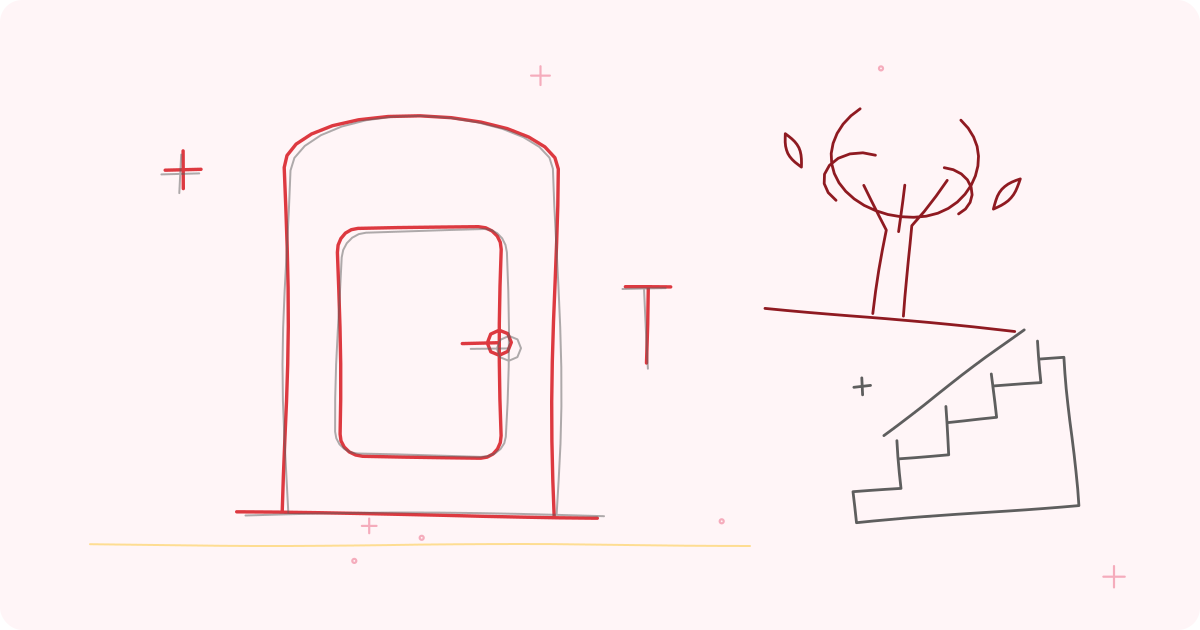
Many Pune flats and bungalows have a step or two at the door, in the compound or at the gate, and some hillside lanes slope right up to the threshold. - A rail beside each step and, where a walker or wheelchair is used, a portable or fixed ramp with a non-slip surface; see portable ramps for thresholds and stairs, steps and thresholds. - Contrast marking on step edges and good lighting so the first and last step are visible. - A level, non-slip path through the garden; fix loose paving and trim overgrown edges; moss on damp paths in the monsoon is slippery; see garden, balcony and terrace safety. - A firm bench or chair near the door for resting and changing shoes. - A key safe for a trusted neighbour or carer; see key safe guide. - Gate and lock safety: a gate that is easy to open from inside but safe from outside; see lock and door safety for seniors.
The bathroom
- Floors: ribbed, rubber-backed mats where feet land, anti-slip tape or coating on tile, and a wiper to dry after use; see non-slip bath mats guide, anti-slip tape and coatings and bathroom flooring for older people.
- Grab bars: by the toilet and at the shower, fixed into the wall with proper plugs; see grab bar buying guide, where to fit grab bars and suction grab bars are not safe.
- Seating: a shower chair or bench and a handheld shower; see shower chair buying guide and handheld shower guide.
- Toilet: a raised seat or frame for weak knees; see raised toilet seat guide and toilet frame guide; for Indian-style toilets see indian style toilet to western conversion.
- Winter mornings: bathrooms can be cold; warm the room safely, use a warm water source set at a safe temperature and avoid very hot water; see hot water and scald safety for older skin and safe use of heaters and geysers.
- Calling for help: a door that opens from outside and a pendant worn while bathing; see bathroom emergency alerts and bathroom safety checklist for seniors.
The bedroom
- Bed height: feet flat, knees about level with hips; see bed height and getting out of bed.
- Cool morning routine: sit on the edge of the bed for a minute before standing; keep warm socks or slippers with grip beside the bed; see dizziness when standing.
- Night route: a motion-activated night light from bed to toilet and a lamp within reach; see motion night lights for seniors and bedroom setup for night safety.
- Clear floors: remove loose rugs and cables; see flooring, rugs and trip hazards.
- Bedside commode or urinal if the toilet is far; see bedside commode and urinal routines.
- Dust and allergy: wash bedding, cover pillows and keep the room well aired; see pillow hygiene and allergies.
- Upstairs bedrooms: in a bungalow, consider moving the bedroom downstairs; see ground floor vs upper floor living.
- Hospital bed: if needed, measure doors and plan power backup; see hospital bed at home guide and hospital bed electricity and power cuts.
Stairs
- Handrails on both sides, continuous and firm; see handrails and stair lifts.
- Step edges: anti-slip tape or contrasting strips on every tread.
- Light: bright, glare-free lights at the top and bottom, with switches at both ends; see lighting and contrast at home.
- Clear steps: nothing left on them.
- Rest point: a chair on a landing for someone who tires.
- Gates for a person with memory loss; see wandering and dementia safety.
- A stair lift can suit a straight staircase in a bungalow, but ask an occupational therapist first.
- Technique: a physiotherapist can teach safe stair use; see using a walking stick on stairs and slopes.
- Apartments: check lift reliability and backup; see lifts and apartment living for seniors.
A retired couple living alone
Many Pune households consist of two older people. Plan for the day one is unwell or has fallen. - A pendant or fall-detection watch for each, tested monthly; see panic pendant buying guide and fall detection watch guide. - A neighbour with a key and a phone number list on the fridge; see home safety for seniors living alone and looking after an elderly couple. - A shared medicine list and a pill organiser, so one partner can cover for the other; see pill organiser guide. - A plan for hospital: an emergency bag, a summary and the nearest emergency-ready hospital; traffic is the main hurdle, so know the quickest route; see emergency bag for a hospital visit and ambulance and emergency numbers in india. - A regular call from a child or friend, and the habit of sharing weekly news. - Support in the community: retirees' groups and neighbours can help; see volunteers, neighbours and community help.
Kitchen and living areas
Check the route from bedroom to kitchen and dining area. Keep daily items at waist height, floors dry and a firm chair with arms near the table; see kitchen setup for seniors, kitchen safety for older adults and choosing a chair for an older person. Use an auto-off kettle where memory is a concern; see auto-off kettle and stove safety.
Common mistakes
- Leaving a loose doormat at a step.
- Fitting a ramp with a surface that is slippery when wet.
- Ignoring moss on the garden path.
- Keeping the only night light at the end of a long corridor.
- Sleeping upstairs when stairs have become risky.
- Having only one pendant for a couple.
A weekend checklist
1. Night walk with a torch; list the hazards. 2. Rail or ramp at the entrance step; clear the garden path. 3. Anti-slip tape and mats in the bathroom; grab bars at toilet and shower. 4. A night light from bed to toilet. 5. Rails and tape on the stairs. 6. Test the pendants and write emergency numbers on the fridge.
For budget ideas, see home modification budget india.
A worked example: a winter morning
A seventy-eight-year-old man wakes at six on a crisp January morning, swings his feet onto a cold tile floor and walks to the bathroom, stiff and a little dizzy. The path is dim, the mat at the door has curled and the toilet seat is low. Now imagine the same morning with warm slippers with grip beside the bed, a sit-for-a-minute habit, a motion light on the route, a flat mat, a raised toilet seat and a grab bar. Nothing dramatic has changed, but the chance of a fall has fallen. Use this as a model for your own home.
When to ask a professional
Ask an occupational therapist for a home assessment. Ask a builder or tradesperson to fit ramps, rails and grab bars. Ask a physiotherapist about balance and stairs. Call 112 after a fall with injury, head blow or inability to get up.
Equipment mentioned in this guide
Frequently asked questions
What is the first job for a bungalow with steps at the door?
A rail beside each step, contrast on the edges, good light and, where needed, a ramp.
Should an older couple sleep upstairs?
If stairs are becoming risky, moving the bedroom downstairs is often the best change.
Are grab bars needed in a modern flat?
Yes. Tile is slippery in any home. Fit them into the wall properly.
What helps most when a couple lives alone?
Pendants for each, a neighbour with a key and a clear plan for emergencies.
Sources and further reading
- National Institute for Health and Care Excellence, NG249 Falls: assessment and prevention in older people
- World Health Organization, global report on falls prevention in older age
- Royal College of Occupational Therapists, guidance on home adaptations
- Bureau of Indian Standards, general guidance on accessibility in the built environment
Tags: Punehome safetysteps and rampsbathroomstairsbungalowflatsGear for your cityBathroom and toilet safetySafety and alert devices
This article is for general education and is not medical advice. Speak to your doctor before changing your exercise, diet or medicines.