Start with a walk-through, by day and by night
Visit the outdoor space with your parent, at the time they usually use it, and then again after dark. Note the surfaces, the steps, the edges, the light, the seating, the distance to the nearest door and what can be reached. Look at it as someone with stiff knees, poor eyesight or a sudden dizzy spell would. Where would a fall happen, and how far could they fall? See falls risk assessment at home and ageing in place room by room.
Edges, railings and parapets
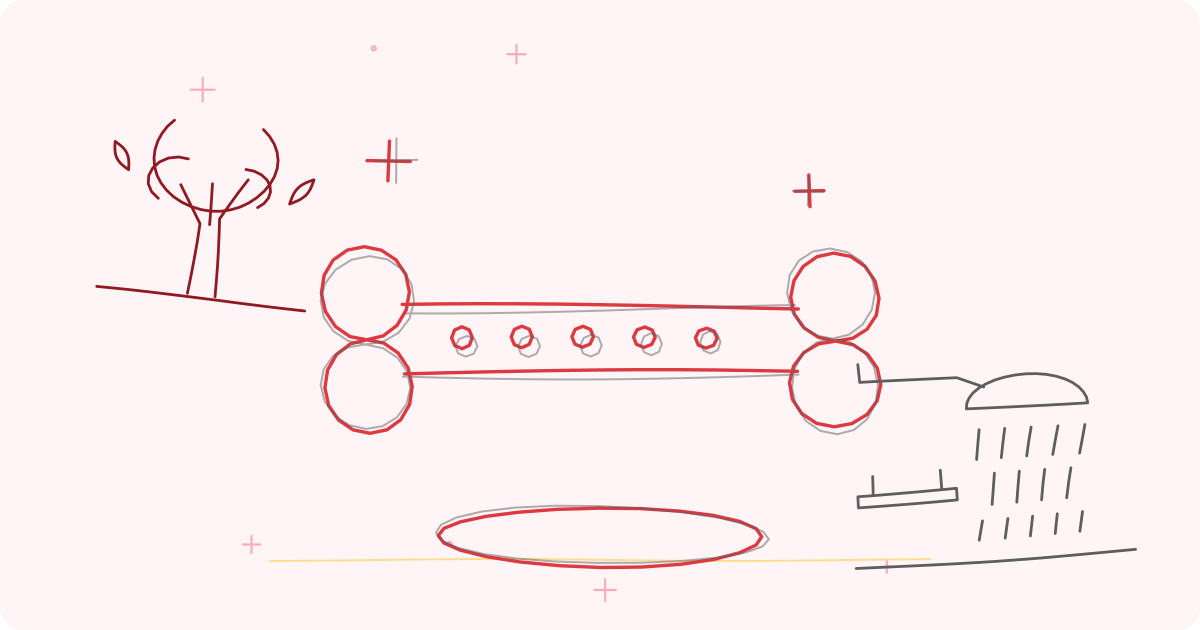
On a balcony or terrace, the most serious risk is a fall from a height. - Railings and parapets must be firm, intact and high enough that an older person cannot topple over them; test them by leaning gently. Loose, rusted or low railings need repair by a qualified person. - Gaps in railings should be narrow enough to stop a person slipping through or a limb becoming trapped. - Nothing climbable should stand near the edge: stools, boxes, pots, ladders or chairs. - A person with memory loss or confusion should not be left alone on a high balcony or terrace; consider a lockable door or a door sensor; see wandering and dementia safety and door sensor guide. - Do not allow leaning, sitting on the parapet, or standing on a chair to reach plants. - Window grilles and balcony nets should be sound; ask a professional for advice on fitting them.
Floors and surfaces
- Slip risk: tiles, stone, painted concrete and wet wood become slippery with rain, dew, spilled water and moss. Use anti-slip tape or a non-slip coating, and ribbed mats at doors; see anti-slip tape and coatings and flooring, rugs and trip hazards.
- Moss and algae: clear them regularly, particularly after the monsoon, and fix leaks that keep surfaces damp.
- Uneven paving and cracks: repair or mark them, and fill gaps that trap a stick or foot.
- Thresholds: the step from indoors to the balcony is a common trip; mark it in contrast, add a handhold and consider a small ramp; see portable ramps for thresholds and stairs, steps and thresholds.
- Drainage: make sure water runs away from the door and does not pool where your parent walks.
- Loose items: pots, hoses, mats, extension cables and toys do not belong in the walking path.
- Sweeping and washing: do these when your parent is not walking there, and let floors dry before use.
Steps and stairs in the garden or to the roof
- Handrails on both sides, firm and at a comfortable height, on any flight of steps. - Edge marking with contrast tape or paint, and good lighting at every step. - Even treads, with no loose or broken steps. - Roof stairs: often steep and narrow; a physiotherapist can advise if your parent should use them at all. Do not carry things up stairs while using the rail. - Rest points: a seat at the top and bottom of a long path. See handrails and stair lifts.
Seating, shade and comfort
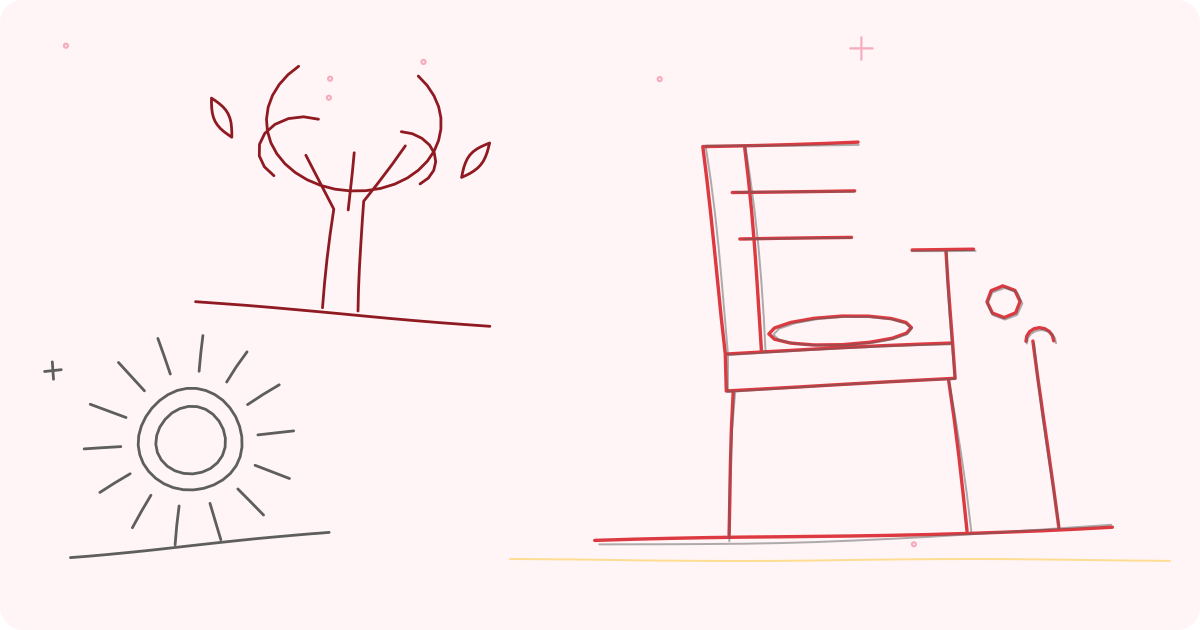
- A stable chair with arms and a firm seat that is easy to rise from, not a low, deep or folding chair that can collapse; see choosing a chair for an older person and living room and seating setup.
- A cushion with a breathable cover, not thick foam that traps heat; see seat cushion buying guide.
- A small table at the right height for tea, medicines and a phone, so there is no reaching or leaning.
- Shade: an umbrella, an awning or a pergola, to avoid direct midday sun.
- Place seating away from edges, with a clear route back indoors.
- Footrest or a mat under the feet for comfort.
Sun, heat, cold and weather
- Heat: avoid the garden or terrace in the hot hours; sit in shade, wear a hat, drink water and move indoors if dizzy, headachy or confused; see heat stroke and dehydration in seniors.
- Cold: in winter, sit in the sun in the middle of the day, dress in layers and avoid sitting out after sunset; see cold weather health risks for seniors.
- Wind and dust: secure umbrellas and lightweight furniture; go in during dust storms.
- Rain and monsoon: floors become slippery and steps hazardous; clear moss and avoid going out during heavy rain; see monsoon illnesses and older adults.
- Mosquitoes: remove standing water from pots and trays, and use screens and nets; see dengue and malaria in older adults.
- Sunscreen and eye protection for sensitive skin and eyes.
Light and night
- Lighting: bright, even, glare-free light at doors, steps and paths, with switches inside and outside; motion-activated lights help; see lighting and contrast at home and motion night lights for seniors.
- Do not use the terrace or garden at night unless the light is good and someone knows.
- Check the light at dusk, since this is when vision adjusts slowly and falls are common.
Plants, tools and pets
- Choose plants that are safe: avoid thorny, sap-irritating or toxic plants at paths and seating; keep pots off the floor of the walking path.
- Raised beds or tall pots let an older gardener work without bending; a stool with a back for rest.
- Tools: keep sharp tools stored safely, use lightweight, easy-grip tools and do not leave hoses and cables across paths; see benefits of home gardening for the elderly.
- Fertilisers, pesticides and cleaning chemicals must be stored safely, out of reach of anyone with memory problems, and used only as directed with protection.
- Water features and tanks: cover or fence open water; an older person with a fall or faint can drown in shallow water.
- Pets: a dog or cat underfoot is a common cause of falls; train and watch them near an unsteady person; see benefits of having pets for the elderly.
- Insects and animals: monkeys, stray dogs, snakes and wasps can be a problem in some areas; keep food out of sight and ask local authorities for help if needed.
Calling for help
A fall outdoors can go unnoticed. - A pendant or fall-detection watch worn on the terrace or in the garden; see panic pendant buying guide and fall detection watch guide. - A phone in a pocket, not on a table. - A routine: someone looks in, or a neighbour knows. - A bell or whistle within reach for those who cannot use a phone. - A key safe and an unlocked route for helpers; see key safe guide. - If your parent falls, do not rush to lift them; see what to do after a fall and how to get up after a fall. Call 112 for severe pain, head injury, deformity, unconsciousness or inability to get up.
Festivals, gatherings and kite flying
Rooftops and gardens fill up at festivals. Check the space before a gathering: clear the paths, fix railings, provide a stable chair with shade and keep older relatives away from edges and crowds. Agree who will sit with an older person who is unsteady or confused, and make sure they can retreat indoors to rest.
A monthly outdoor check
1. Test railings and parapets for looseness. 2. Look for moss, cracks, loose tiles and puddles. 3. Check that lights work and the switch is easy to reach. 4. Check chairs for stability and cushions for wear. 5. Clear pots, hoses and tools from the paths. 6. Check drains and standing water. 7. Test the pendant and keep a phone charged. See monthly home safety check.
Common mistakes
- Treating a low parapet as safe because "nothing has happened".
- Leaving a person with confusion alone on a terrace.
- Using a folding plastic chair that can collapse.
- Letting moss build up on the steps.
- Placing the only light at the far end of the terrace.
- Stepping on a stool to reach a plant.
When to ask a professional
Ask a qualified builder or engineer to check railings, parapets, roofs and stairs, and an occupational therapist to assess how your parent uses the space. Ask a physiotherapist about balance and steps. Ask the doctor about dizziness and heat risks. Call 112 for a fall with injury, head blow or inability to get up.
Equipment mentioned in this guide
Frequently asked questions
How high should a balcony railing be?
Standards vary, so ask a qualified builder or check local building guidance. It must be firm, intact and safe for the person's height and behaviour.
Is it safe for my mother with dementia to sit on the terrace alone?
Usually not on a high terrace or balcony. Supervision, a lockable door or a door sensor help.
How do we stop moss making the steps slippery?
Clear it regularly, fix leaks and drainage and add anti-slip tape or a non-slip coating.
What helps if my father falls outdoors and nobody notices?
A pendant or fall-detection watch, a phone in his pocket and a regular check by a neighbour or family member.
Sources and further reading
- National Institute for Health and Care Excellence, NG249 Falls: assessment and prevention in older people
- World Health Organization, global report on falls prevention in older age
- Royal College of Occupational Therapists, guidance on home adaptations and falls prevention
- National Disaster Management Authority, India, guidelines on heat wave
Tags: balcony safetyterrace safetygarden safetyoutdoor fallsrailingsshade and heatelderly homeSetting up the homeBathroom and toilet safetyMobility and walking aids
This article is for general education and is not medical advice. Speak to your doctor before changing your exercise, diet or medicines.