The principles
- Safety first. Fix hazards that cause falls, burns and fires before anything else.
- Make daily tasks easier. Ask what is hard, tiring or frightening now.
- Plan for change, not only for today. A parent who walks well today may need a walker or wheelchair in a few years, so choose wide doors and level floors where you can.
- Choose universal design. Features that help everyone, such as lever handles, good lighting and non-slip floors, benefit people of all ages.
- Keep the home feeling like home. Avoid a hospital look.
- Involve your parent in every decision.
- Phase the work, by priority and budget.
- Get advice. An occupational therapist can assess; see occupational therapy home assessment.
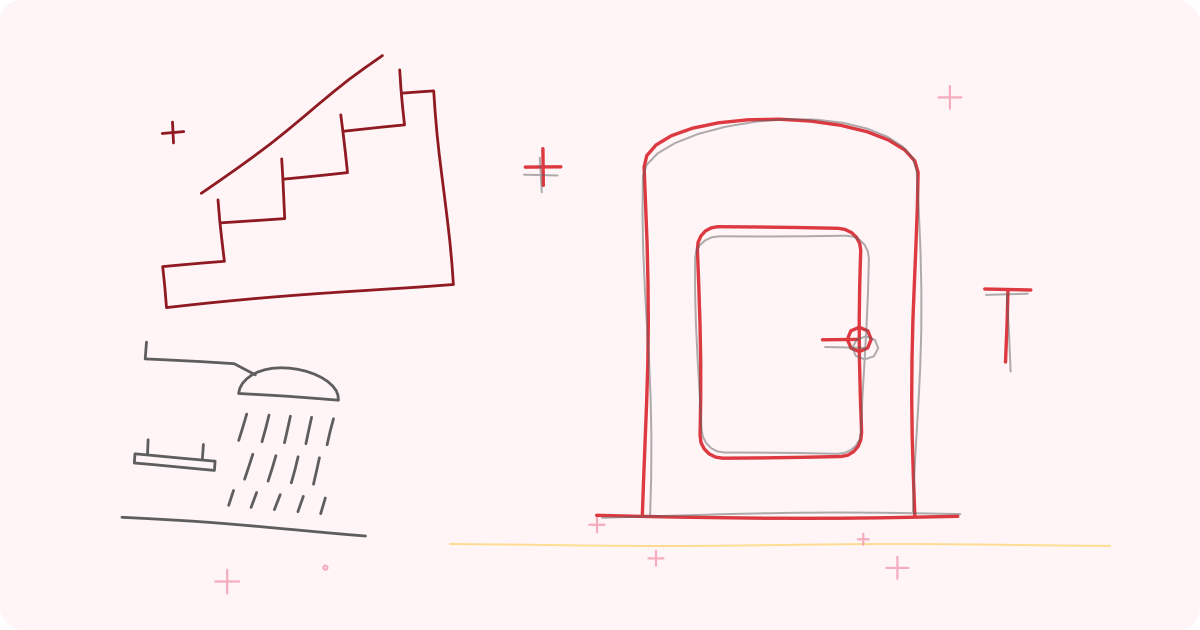
Entrance, hall and steps
- Level or ramped access. A small ramp or a threshold ramp where there is a step; see portable ramps for thresholds and stairs, steps and thresholds.
- Handrails on steps, fixed firmly, on both sides if possible.
- Good lighting, with a motion-sensor light at the door.
- Wide door of at least 80 cm clear for a walker or wheelchair; lever handles.
- A bench or stool inside for sitting to remove shoes.
- A key safe or a smart lock, so that help can enter in an emergency; see key safes.
- Clear floor, no loose mats.
- A way to see visitors, such as a peephole or camera, and a door chain.
- A place for the stick and bag.
Living room
- Firm, supportive chairs with arms at 45 to 50 cm seat height; see choosing a chair for an older person and living room and seating setup.
- Clear pathways at least 90 cm wide, with furniture arranged to give space for a walker.
- Remove or fix rugs, and tidy cables; see flooring, rugs and trip hazards.
- Good lighting for reading and general use; see lighting and colour contrast at home.
- A side table with things within reach.
- A telephone, a large-button remote and a clock nearby.
- Safe heating and cooling: fans fixed and clear, heaters used with care; see temperature and ventilation at home.
- A comfortable, warm shawl or throw.
Kitchen
- Non-slip flooring and mats; see anti-slip tape and coatings.
- Safe cooking: auto-off appliances, a gas shut-off habit, a fire blanket; see kitchen safety for older adults and kitchen setup for seniors.
- Storage: heavy items at waist height; frequently used items within easy reach.
- Lever taps, and a sink at a comfortable height.
- A stool with a back and arms to sit on while working.
- Good lighting over the work area.
- Aids: jar opener, easy-grip utensils, reacher; see jar openers and kitchen aids.
- Ventilation to clear smoke and fumes.
Dining area
- A sturdy table and chairs with arms.
- Non-slip mats, easy-grip cutlery and cups if needed; see easy-grip cutlery and eating aids.
- Good light.
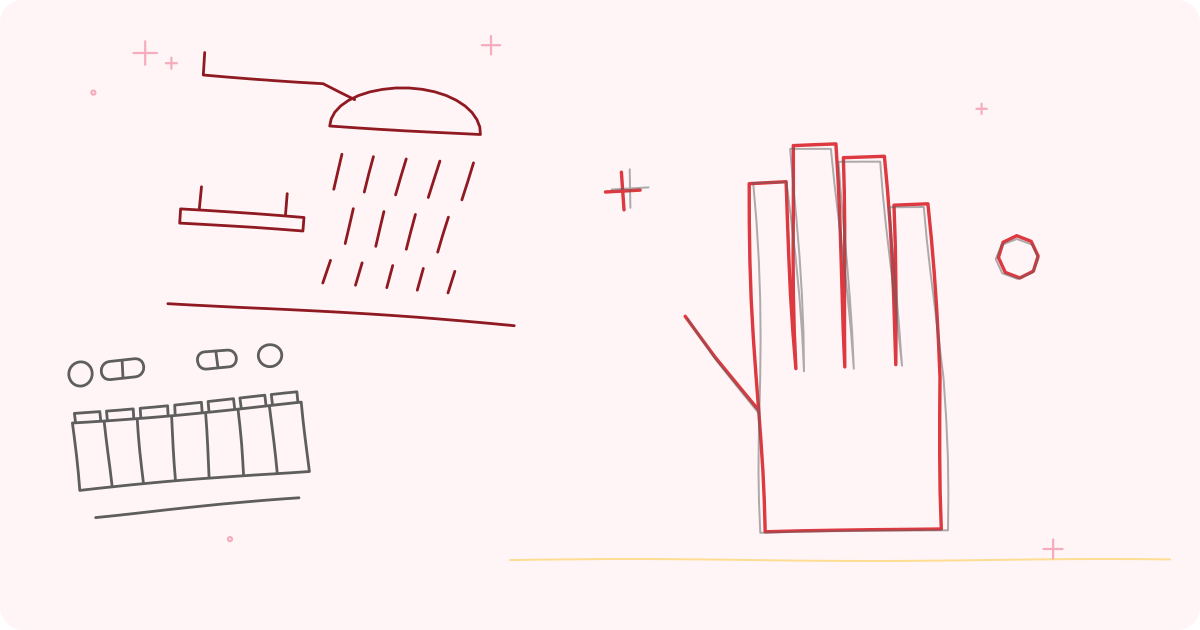
- A pill organiser on the table.
Bedroom
- A bed at the right height, firm mattress, space for a walker on both sides.
- A night light on the way to the toilet; see motion-sensor night lights.
- A bedside lamp, table, phone, water and torch.
- A chair with arms for dressing.
- A clear path to the bathroom, ideally short.
- A wardrobe with items at accessible heights; a rail instead of high shelves.
- An alert device within reach; see panic pendants.
- A bedside commode or urinal if night trips are risky; see night-time toilet trips and falls.
- A comfortable temperature, with ventilation.
Bathroom and toilet
The bathroom is the highest-risk room, and the one where changes pay off most.
- Grab bars by the toilet, in the shower and by the bath, fixed into the wall; see grab bars and where to fit grab bars.
- Non-slip floor and mats; see non-slip bath mats.
- A shower chair or bench and a handheld shower; see shower chairs and stools.
- A raised toilet seat or frame, or a western toilet instead of a squat; see raised toilet seats.
- A walk-in shower with no step, if renovating.
- A hot water control or check to prevent scalds; see hot water and scald safety.
- Door that opens outwards or slides, with a lock that can be released from outside.
- A night light and a bell.
- Wide enough space for a walker or helper.
Stairs and levels
- Handrails on both sides, continuous and well fixed.
- Contrasting edges on each step, and non-slip treads.
- Bright lighting and switches at top and bottom.
- No clutter.
- Consider a stair lift if stairs cannot be avoided; see handrails and stair lifts.
- Ground-floor living where possible; see ground-floor or upper-floor living.
- Lifts in apartments: check size and reliability; see lifts and apartment living for seniors.
Balcony, terrace and garden
- Secure railings at a safe height, with no gaps.
- Non-slip surfaces and drainage.
- A stable chair and table in the shade.
- A threshold ramp to avoid a step.
- Good lighting and a way to call for help.
- Easy-care plants in raised pots.
- Safe paths, even and clear.
Whole-home systems
- Lighting: bright, even, with night lights.
- Flooring: non-slip, level, even; see flooring, rugs and trip hazards.
- Temperature and ventilation; see temperature and ventilation at home.
- Damp and pests; see damp, mould and pests.
- Smoke, gas and carbon monoxide alarms.
- Electrical safety: sockets at a comfortable height, circuit protection, no overloaded plugs.
- Telephone and alert devices; see home safety for seniors living alone.
- Emergency information by the door; see emergency contact card and medical summary.
- Decluttering, since clutter causes falls and stress; see decluttering for safety and calm.
Phasing and budget
Phase the work by risk and cost.
First month (low cost, high impact): remove loose rugs, add night lights, fit anti-slip mats and tape, tidy cables, move heavy items to waist height, add a phone and emergency numbers, fit a bell or pendant.
Within three months: grab bars, a shower chair, a raised toilet seat, handrails, better lighting, a firm chair, auto-off kettle.
Within a year, as needed: ramps, bathroom renovation, ground-floor bedroom, stair lift, widened doors, kitchen changes.
Costs vary; many essential changes are inexpensive. See home modification budget for ageing in place in India and mobility aid budget for Indian families. Use competent tradespeople, particularly for wall-fixed items and electrical work.
Rented and shared homes
If you rent or live in a flat, ask the landlord or society for permission before making fixed changes. Choose items that can be removed, such as portable ramps and freestanding aids. See fitting grab bars in rented or apartment homes and setting up a care room in a joint family home.
When to ask a professional
An occupational therapist can assess the home and recommend a prioritised list. A physiotherapist advises on mobility and falls. A doctor should review any health changes. A qualified builder or electrician should carry out structural and electrical work. Our care advisors can arrange a home safety visit and source and install equipment.
Equipment mentioned in this guide
Frequently asked questions
What is ageing in place?
Staying safely and comfortably in your own home as you get older, by adapting the home, using aids and arranging support as needs change.
What home changes matter most?
Bathroom grab bars and non-slip floors, good lighting and night lights, removing rugs and clutter, handrails on stairs, a firm chair and a way to call for help.
How much does it cost?
It varies widely. Many important changes are inexpensive; major work such as bathroom renovation and stair lifts costs more. Phase the work and get quotes.
Should we move instead?
Sometimes, if the home cannot be made safe or support cannot be arranged. Many people stay for years with modest changes.
Who can advise?
An occupational therapist, physiotherapist and a care service, with a home visit.
Sources and further reading
- World Health Organization, Global age-friendly cities: A guide (2007)
- Royal College of Occupational Therapists, guidance on home adaptations and ageing in place
- NICE guideline NG249, Falls: prevention, assessment and management in older adults and adults at higher risk
- Ministry of Social Justice and Empowerment, India, National Policy for Senior Citizens
Tags: ageing in placehome modificationelder friendly homehome safetyuniversal designindependent livingSetting up the homeWall-fixed grab barBathroom and toilet safetySafety and alert devices
This article is for general education and is not medical advice. Speak to your doctor before changing your exercise, diet or medicines.