Walk the night route in summer
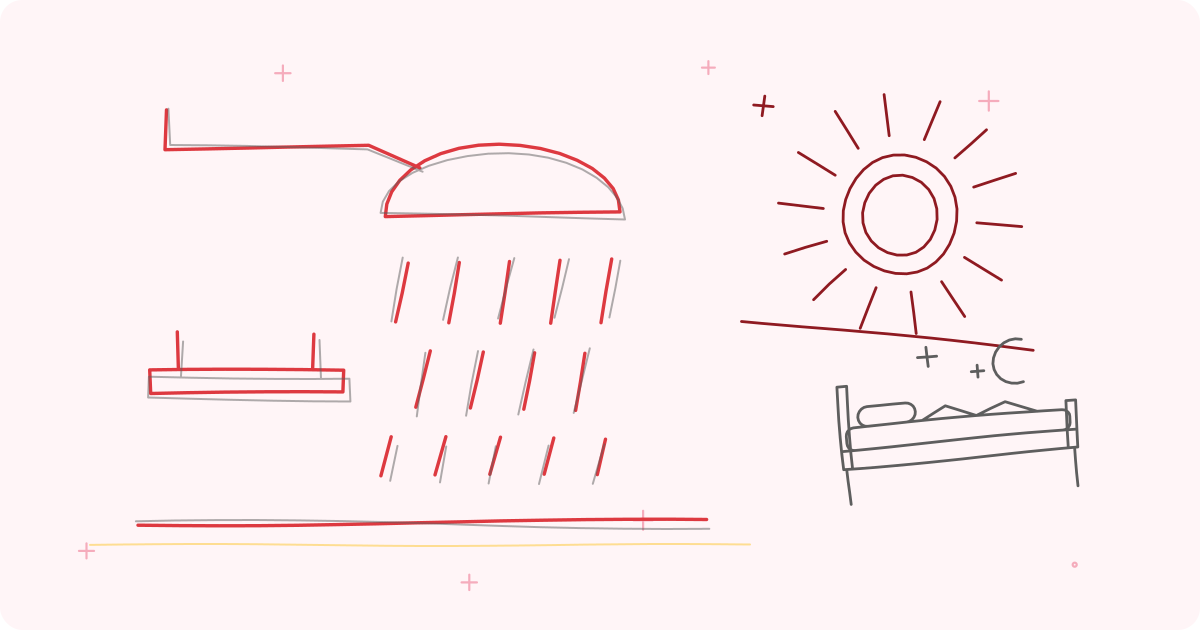
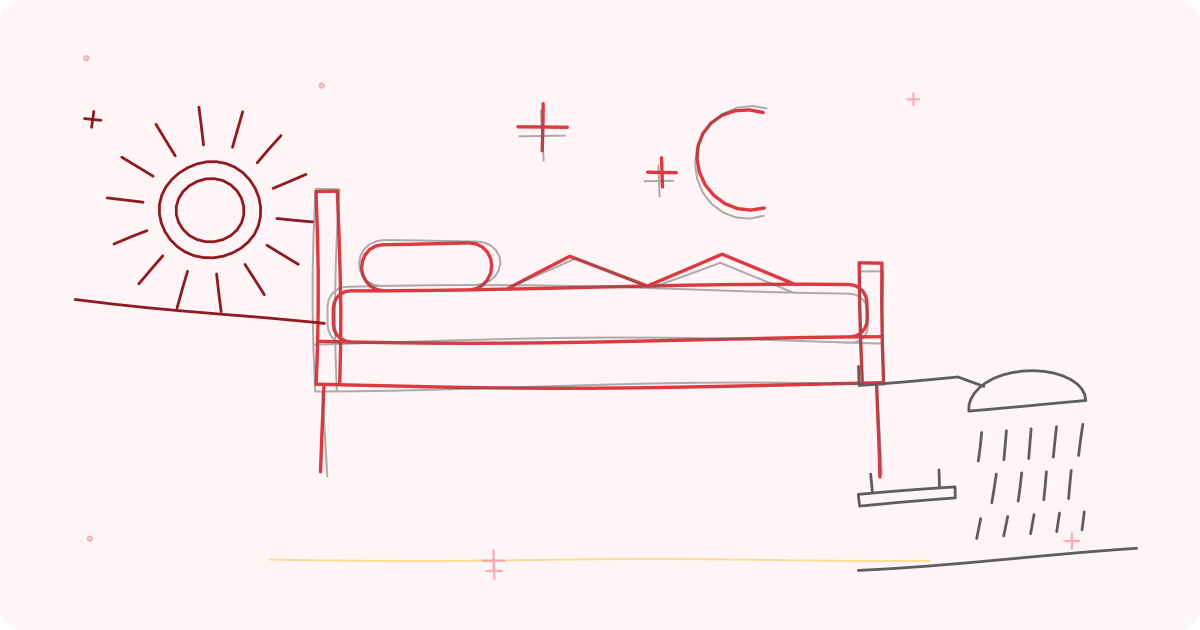
In the hot months, many older people wake at night to drink water, use the toilet or adjust a fan. The route from bed to toilet and to the water is where night falls happen, made riskier by dehydration, tiredness and low blood pressure on standing. Walk it in the dark, as your parent does, and fix it first: a motion-sensor night light, a clear floor, water within reach of the bed to avoid walking to the kitchen, a firm bed edge to sit on for a minute before standing and a commode if the toilet is far; see bedroom setup for night safety, motion night lights for seniors, night-time toilet trips and falls and dizziness and low blood pressure when standing. For a broader check, see monthly home safety check.
The bedroom in extreme heat
- Cooling: curtains or shades on sun-facing windows, cross-ventilation at night, a fan placed safely so that it does not blow directly on a frail sleeper for hours and a plan for the hottest nights; see temperature and ventilation at home.
- Choose the coolest room for rest in the afternoon, usually on the shaded side of the house, and move the bed or a chair there if needed; if so, keep the route to the toilet safe.
- Bedding: cotton, light and breathable; a breathable mattress protector; see bed linen for sensitive older skin and mattress protector guide.
- Water within reach, with a lidded bottle and a cup that is easy to grip.
- Bed height and edge: feet flat, knees at right angles, a firm edge; see bed height and getting out of bed.
- A clear floor, with slippers with grip.
- Phone or pendant within reach, plus a torch and a power bank for power cuts.
- Winter: light layers; if a heater is used, keep it away from bedding and ventilated, with no charcoal or open flames in a closed room.
- For someone mostly in bed: a hospital bed, a pressure-relieving mattress and repositioning, with extra attention to heat rash and dehydration; see hospital bed at home guide, summer heat and bedridden care and preventing bedsores at home.
- Bed rails only on advice; see bed rails guide.
The bathroom
Floor. A non-slip mat with drainage holes in the wet area, a dry mat outside and anti-slip tape or coating on smooth tiles; see non-slip bath mats guide, anti-slip tape and coatings and bathroom flooring for older people. Dry the floor after each use.
Water temperature. In summer, tepid or cool water is more comfortable, but a sudden cold shower on an overheated body can cause shock or dizziness; use tepid water and sit to bathe. In winter, warm the bathroom first. Geysers and hot water systems need a safe setting and a competent electrician; see safe use of heaters and geysers.
Grab bars. Fixed into the wall with proper plugs, beside the toilet, in the shower and at the entry; not suction bars; see grab bar buying guide, where to fit grab bars and suction grab bars are not safe.
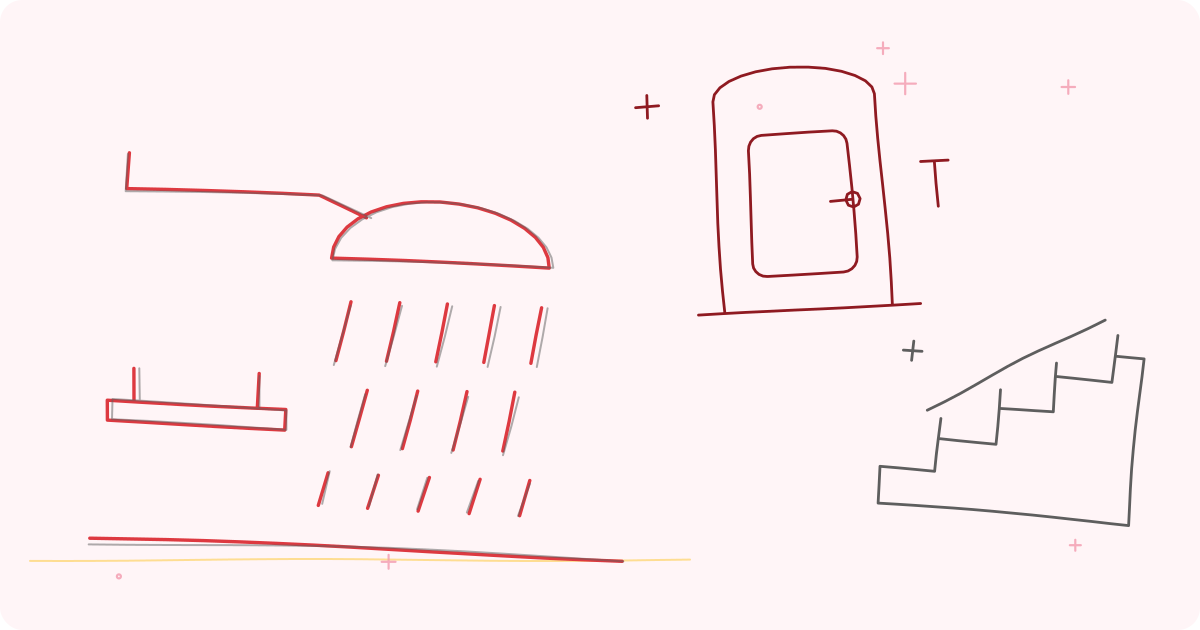
Seating. A shower chair or bench with rubber feet lets a person bathe seated, which matters when heat makes people weak and dizzy; a handheld shower directs water; see shower chair buying guide, handheld shower guide and bathing safely with a shower chair.
The toilet. A raised seat or frame helps with standing; for a squat toilet, see indian style toilet to western conversion, raised toilet seat guide and toilet frame guide.
Help and light. A door that opens from outside, bright light and a way to call; see bathroom emergency alerts. Bathrooms can be hot and stuffy; ventilate.
See bathroom safety checklist for seniors and bathroom safety products for seniors.
Stairs, entrances and terraces
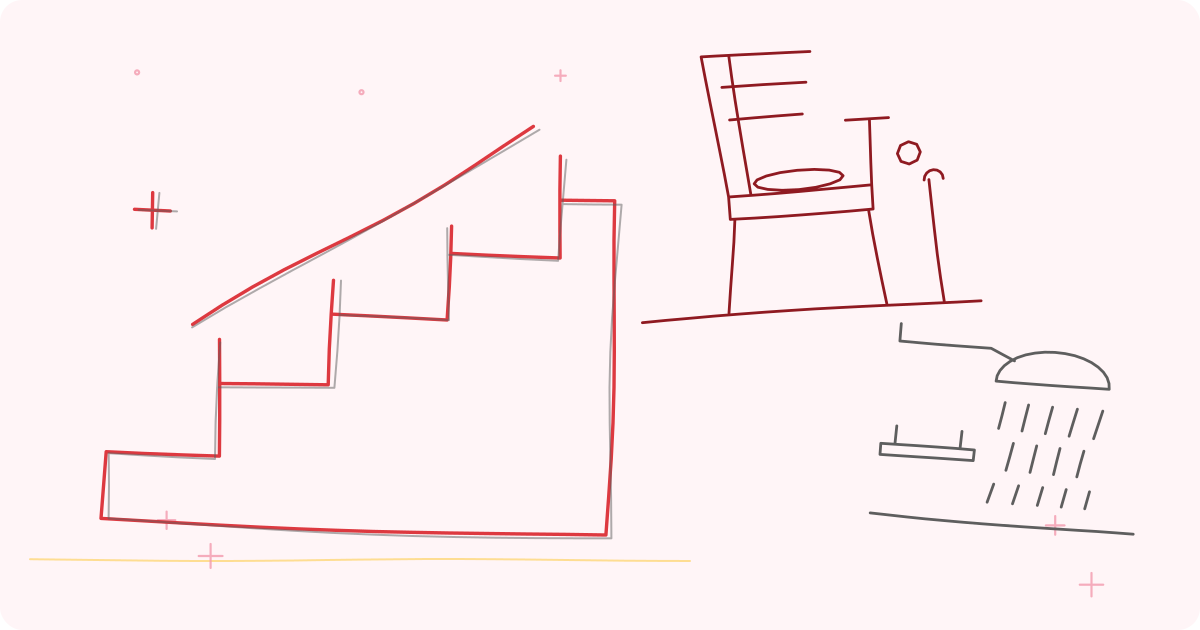
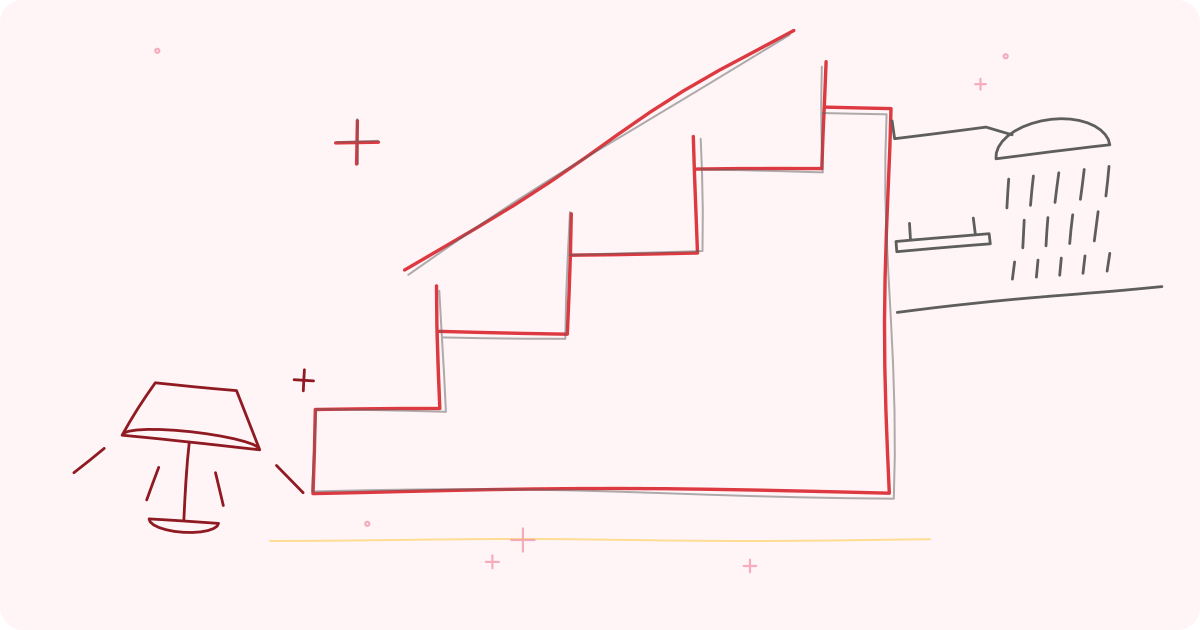
- Handrails on both sides, continuous and firm; see handrails and stair lifts.
- Step edges marked in contrast with non-slip tape; light switches at the top and bottom; see stairs, steps and thresholds.
- Clear steps: nothing stored, no loose mats.
- Entrance in the monsoon: a non-slip surface, a fixed doormat, a seat and a towel for aids; see flooring, rugs and trip hazards.
- Hot surfaces: stone or metal steps and railings in the sun can burn; use covers or shade.
- Terraces, if the home has one: check railings, surfaces and light before anyone goes up, avoid the midday sun and do not leave an unsteady or confused person alone there.
- A portable ramp where a rollator or wheelchair crosses a step; see portable ramps for thresholds.
- Move daily life to one level where possible; see ground floor vs upper floor living.
- Apartments: lifts are a lifeline in summer, so check that the lift works during power cuts and fits a wheelchair or stretcher; see lifts and apartment living for seniors and care equipment for a first-floor flat.
Power cuts: the hidden hazard
In extreme heat, a power cut removes fans and lights together. Plan:
- Light: a charged emergency light or torch at the bed, in the hall and in the bathroom; see power cuts and older adults.
- Cooling: a battery fan or other backup if the household has one, a cool room, wet cloths and fluids.
- Medical equipment: know the backup for beds, pumps and oxygen; see hospital bed electricity and power cuts and oxygen and power cuts.
- Phone and pendant: a power bank for each.
- Safe movement in the dark: do not walk without light; use a bedside commode if needed.
Living alone, and the daily check-in
If your parent lives alone, plan for the heat: a way to call from bed and bathroom, a spare key with a neighbour or a key safe, visible emergency numbers and a daily check-in call during heat waves; see home safety for seniors living alone, key safe guide, panic pendant buying guide and emergency contact card and medical summary. No device ensures rescue; agree who responds.
Adjusting for particular needs
- Walkers and rollators: wide doors, ramps over thresholds; see rollator buying guide.
- Wheelchair users: space to turn and an accessible bathroom; see bathroom layout for wheelchair users.
- Poor vision: contrast and light; see low vision home safety.
- After stroke or surgery: follow therapist advice; see bathroom safety after stroke and after hip surgery bathroom setup.
- Dementia: simple, labelled spaces and safe doors; see dementia home setup.
Priorities
First: night lighting and water within reach, remove loose rugs, fixed grab bars and non-slip surfaces in the bathroom, handrails and a way to call. Then: seating, cooling plans, bed changes and equipment. See bathroom budget makeover for seniors. Review before summer, before the monsoon and after any fall or illness.
When to ask a professional
An occupational therapist can assess the home; see occupational therapy home assessment. A qualified electrician or plumber should do fixed work and check wiring for cooling equipment. A physiotherapist can assess balance. The doctor should review dizziness, medicines that affect fluids and vision. For senior citizens' information and support, Elderline 14567 is a helpline; check current availability. After a fall with head injury, or in suspected heatstroke, call 112.
Equipment mentioned in this guide
Frequently asked questions
Why are night falls more likely in summer?
Dehydration, low blood pressure on standing, tiredness and extra trips for water and the toilet all raise the risk. Keep water by the bed, light the route and rise slowly.
Is a cold shower good for an overheated person?
A sudden cold shower can cause shock. Use tepid water, sit to bathe and cool gradually.
What helps during a power cut in extreme heat?
A charged light, a cool room, wet cloths, fluids, a backup for essential equipment and a check-in call.
Are terraces safe for an older person?
Only with good railings, grip and light, outside the hottest hours and with company if unsteady.
Sources and further reading
- NICE guideline NG249, Falls: assessment and prevention in older people and in people 50 and over at higher risk
- World Health Organization, Step safely: strategies for preventing and managing falls across the life-course, and public information on heat and health
- Royal College of Occupational Therapists, public information on home adaptations
- Bureau of Indian Standards, public information on bathroom fittings and electrical safety (check current standards)
Tags: Nagpurhome safetybathroombedroom coolingstairsfalls preventionGear for your cityWall-fixed grab barBathroom and toilet safetySafety and alert devices
This article is for general education and is not medical advice. Speak to your doctor before changing your exercise, diet or medicines.