Walk the route your parent walks at night
The most useful audit is simple. At night, with the lights as they usually are, walk from the bed to the toilet and back, then to the kitchen, then to the front door. Note every step, threshold, rug, wire, dark patch, sharp turn and slippery surface. The route between bed and toilet is where most night falls happen, so make that route the first priority. See bedroom setup for night safety and night-time toilet trips and falls.
The bathroom
Tiled bathrooms with wet floors are the highest-risk room.
Floors and surfaces - Non-slip mat with drainage holes in the wet area, and a second dry mat outside; see non-slip bath mats guide. - Anti-slip tape or coating on smooth tiles; see anti-slip tape and coatings and bathroom flooring for older people. - A wiper to clear water after each use, particularly in the monsoon. - No loose rugs or mats that curl.
Grab bars - Fix them into the wall with proper plugs or anchors, not with suction cups; see grab bar buying guide, where to fit grab bars and suction grab bars are not safe. - Typical places: beside the toilet, at the shower and at the entry. If you rent, see installing grab bars in rented homes.
Seating and showering - A shower chair with rubber feet and a handheld shower let a person bathe seated and conserve energy; see shower chair buying guide, bathing safely with a shower chair and handheld shower guide. - For a tub, a transfer bench; see bath transfer bench guide. - Water temperature set to a safe level, and the geyser used with care; see safe use of heaters and geysers. In winter, warm the bathroom first, since cold-to-hot changes can cause dizziness.
The toilet - A raised seat or toilet frame helps those who struggle to stand; see raised toilet seat guide and toilet frame guide. For a squat toilet, see indian style toilet to western conversion. - A call method within reach: a pendant, a bell or a phone; see bathroom emergency alerts. - A door that opens outward or can be opened from outside in an emergency. - Good lighting and a motion night light.
See bathroom safety checklist for seniors and bathroom safety products for seniors.
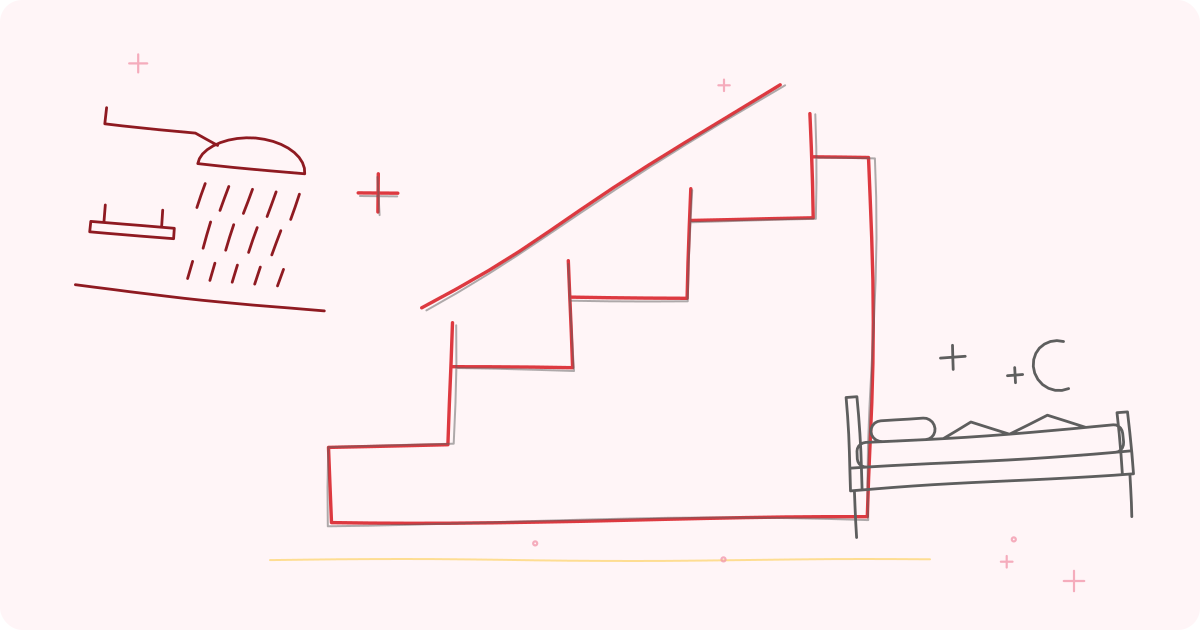
The bedroom
- Bed height: the person should sit with feet flat on the floor and knees about at right angles; see bed height and getting out of bed. A firm edge helps standing.
- Bed rails only if advised, since they can trap limbs or encourage climbing over; see bed rails guide and bed safety for restless sleepers.
- Light: a lamp within reach and a motion-sensor night light along the way; see motion night lights for seniors and lighting and contrast at home.
- Winter warmth: layers and a quilt; a heater kept well away from bedding, ventilated and switched off for sleep unless designed otherwise; no charcoal or open flame in a closed room.
- Summer comfort: a fan placed safely, cotton linen, water within reach and a clear floor; see temperature and ventilation at home.
- A clear floor: no shoes, bags or cords on the floor near the bed; slippers with grip placed where feet land.
- A phone or pendant within reach of the bed, and a charged torch for power cuts.
- For a person who spends much of the day in bed: a pressure-relieving mattress and regular repositioning; see hospital bed at home guide and preventing bedsores at home.
- Small rooms: see small room bed layouts.
Stairs, balconies and entrances
Internal stairs and entrance steps are common in the city's houses.
- Handrails on both sides, continuous, at a comfortable height, strongly fixed; see handrails and stair lifts.
- Step edges: anti-slip tape and a contrasting colour on the edge so that each step is visible; see stairs, steps and thresholds.
- Light switches at top and bottom, and good brightness; no shadows or glare.
- Clear steps: nothing stored on them; no loose carpets.
- Balconies: watch for raised thresholds, wet surfaces in the monsoon and low railings; keep a sturdy chair, and do not let a confused person be alone there.
- Entrance steps: a handrail, a portable ramp where a rollator or wheelchair needs access, a non-slip surface and a light; see portable ramps for thresholds.
- Where possible, arrange the daily living space on one floor, with a bedroom and bathroom downstairs for someone who struggles with stairs; see ground floor vs upper floor living and care equipment for a first-floor flat.
- Lifts in apartment blocks: check that the lift works through power cuts and whether it takes a stretcher or wheelchair; see lifts and apartment living for seniors.
Living areas and kitchen
- Remove or fix rugs, tidy cables and arrange furniture to give a clear path with something to hold; see flooring, rugs and trip hazards.
- A chair with firm arms and a seat height that allows standing without a struggle; see choosing a chair for an older person and helping an elderly parent stand from a chair.
- Keep everyday items between waist and shoulder height; use a reacher rather than a stool; see reacher grabber guide and kitchen safety for older adults.
- Auto-off kettle or switch for the stove if the person is forgetful.
Adapting for particular needs
- Poor eyesight: contrast on edges, bright light, uncluttered paths; see low vision home safety.
- Arthritis or weak grip: lever taps, easy-grip handles, a handheld shower; see arthritis home care guide.
- After a stroke or surgery: use the doctor's or therapist's plan; see bathroom safety after stroke and after hip surgery bathroom setup.
- Memory loss: simple, labelled spaces and a safe bathroom; see dementia friendly bathroom and dementia home setup.
- Parkinson's disease: clear turning space and cues; see bathroom safety for parkinsons.
Emergency access
A key safe or a spare key with a trusted neighbour lets help enter if your parent cannot open the door; see key safe guide. Keep emergency numbers visible, the medical summary in a known place and a charged phone; see home safety for seniors living alone and emergency contact card and medical summary.
Prioritise and pace the work
If budget or time is limited, do the following in order: night route lighting; remove rugs and clutter; non-slip surfaces and grab bars in the bathroom; stair rails and step edges; a way to call for help; then seating, bed height and extras. See bathroom budget makeover for seniors. Review every few months and after any illness, hospital stay or fall.
When to ask a professional
An occupational therapist can assess the home and recommend adaptations; see occupational therapy home assessment. A physiotherapist can assess balance. A qualified electrician or plumber should fit lighting, geysers and any fixed equipment. A doctor should review dizziness, vision and medicines that raise fall risk. For senior citizens' information and support, Elderline 14567 is a helpline; check current availability. After any fall with head injury or suspected fracture, call 112.
Equipment mentioned in this guide
Frequently asked questions
What is the most important single change for bathroom safety?
Properly fixed grab bars and a non-slip surface, with a shower chair for anyone who tires while standing.
Are bed rails a good idea?
Only when advised, because they can trap a limb or increase injury from climbing over. Ask a nurse or therapist.
How can we make stairs safer without a major renovation?
Handrails on both sides, anti-slip tape, bright light at both ends and clear steps cost far less than a stair lift.
My mother lives alone. What helps in an emergency?
A way to call from the bathroom and bed, a spare key with a neighbour or a key safe, visible emergency numbers and a daily check-in.
Sources and further reading
- NICE guideline NG249, Falls: assessment and prevention in older people and in people 50 and over at higher risk
- World Health Organization, Step safely: strategies for preventing and managing falls across the life-course
- Royal College of Occupational Therapists, public information on home safety and falls prevention
- Bureau of Indian Standards, public information on electrical and bathroom fittings (check current standards)
Tags: Chandigarhhome safetybathroom safetystair safetybedroom setupfalls preventionGear for your cityWall-fixed grab barBathroom and toilet safetySafety and alert devices
This article is for general education and is not medical advice. Speak to your doctor before changing your exercise, diet or medicines.