Gradients decide the choice
On the flat grounds of the Forest Research Institute or a park path, many aids work well. On a sloping road, the demands change: braking, control and the ability to stop and rest matter more. Ask the doctor or physiotherapist about balance, strength, stamina, heart and lung limits, vision and any one-sided weakness. Then think about where your parent actually walks: flat parks, residential roads with slopes, steps at home, outings to Sahastradhara or the forest edge. See stick or walker: which one does my parent need and how to choose the right wheelchair or mobility aid for seniors.
Rollators: brakes and slopes
A four-wheeled rollator with brakes and a seat suits people who tire and who walk mostly on level or gently sloping paths.
- Brakes: the person must be able to squeeze and lock them with cold or weak hands; test before buying; see rollator brakes and seat safety and rollator buying guide.
- Downhill: keep the rollator close to the body, go slowly and brake gently and early; do not let it run ahead.
- Uphill: short steps, frequent rests and no rushing.
- Steep slopes: avoid without a helper; a rollator can run away.
- Sitting: only on level ground, with brakes locked.
- Wheels: larger wheels cope better with kerbs and uneven paving; see rollator on indian pavements.
- Cold hands: padded grips and warm gloves help; check that gloves do not hinder the brake grip.
- Not for stairs and not as a wheelchair.
- Comparison: see rollator vs walking frame.
Quad sticks, sticks and seat sticks
A quad stick offers a wide base on uneven ground and suits one-sided weakness; see quad stick buying guide and quad stick after a stroke. A standard stick suits people who need a little balance on level paths; see how to choose a walking stick. A seat stick gives a rest stop on slopes and longer walks, and is helpful at hill viewpoints; see seat walking stick guide. For all sticks:
- Height: handle at the wrist crease with the arm relaxed; see walking stick height fitting.
- Handle: a padded or ergonomic handle is kinder to cold hands; see walking stick handle types.
- Tip: wide, ribbed rubber, replaced when worn; cold can harden rubber, so check it before winter; see walking stick rubber tips.
- Which hand: opposite the weaker leg.
Using a stick on slopes and steps
Slopes are everyday here, so technique matters.
- Going up: the stronger leg first, then the weaker leg and the stick.
- Going down: the stick first, then the weaker leg, then the stronger leg.
- Handrails whenever possible, with the stick in the other hand.
- Rest at the top or bottom of each flight.
- In the wet or in frost, avoid steep slopes and steps, or take a companion.
See using a walking stick on stairs and slopes and stairs, steps and thresholds.
Frames, wheelchairs and transit chairs
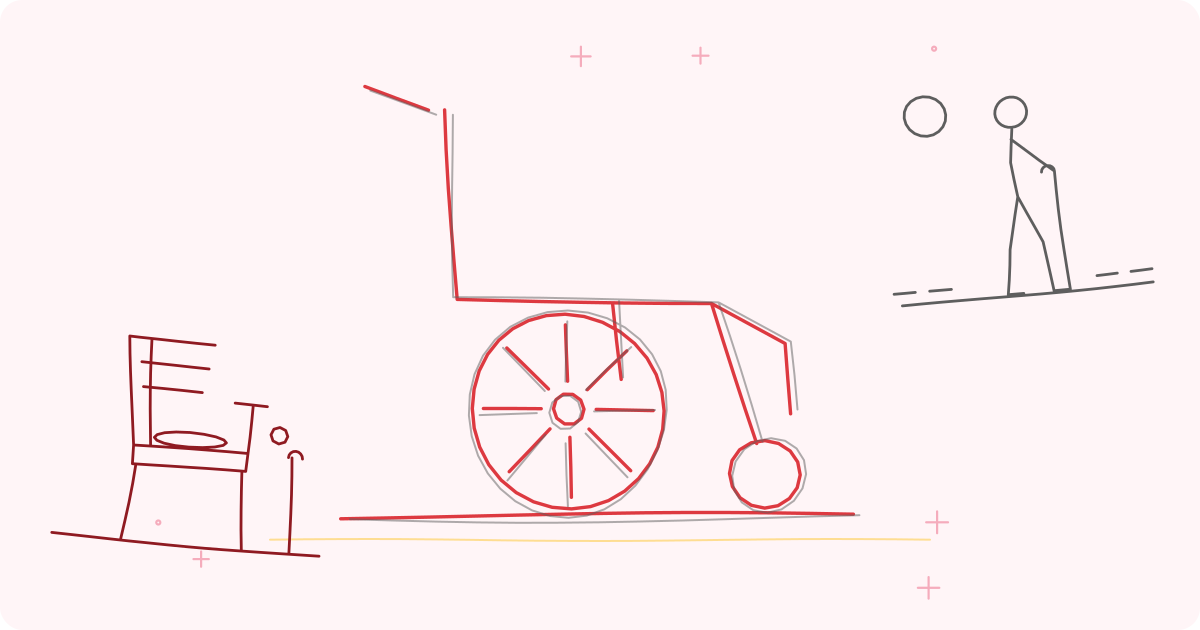
A walking frame gives the most stability for short indoor distances and recovery; see walking frame buying guide and how to use a walking frame correctly. After hip or knee surgery, follow the surgeon's and therapist's instructions; see walking frame after hip or knee surgery. A transit wheelchair is light and folds for a car, handy for outings and clinic visits, but a helper must control it on slopes; a standard wheelchair suits longer sitting; see transit wheelchair vs standard wheelchair, wheelchair buying guide india and pushing a wheelchair safely. Always use brakes on slopes and never leave a person alone on an incline. In cold weather, add a blanket and check skin; see pressure care in a wheelchair.
Walks and outings
- Forest Research Institute grounds: wide, quiet, tree-lined roads; mostly level and good for steady walks and for a rollator. Leaves and damp can make the road slippery.
- Rajpur Road and Mussoorie Road stretches: easy walks with cafes and seating; expect traffic and some slopes; use pavements, go with a companion at busy hours and plan rests.
- Malsi Deer Park: a green park with level paths; good for first walks and building stamina.
- Sahastradhara: a cool, scenic spot for outings; expect slopes and uneven ground, and slippery rock near water; go in dry weather, with a companion and a seat stick; consider a transit wheelchair for the day.
- Lacchiwala and Rajaji National Park edge: forest air for a day trip; check the distance from help and the state of the road; carry water and medicines; avoid in or after heavy rain.
- Hill trips: ask the doctor if your parent is fit, plan rests and keep to dry days; see travel with an elderly parent checklist.
Seasonal notes
- Warm days (April to June): walk morning or evening, carry water and wear a hat; the hills are a short drive for cooler air; see heat stroke and dehydration in seniors.
- Monsoon (July to September): heavy rain makes paths slippery and roads risky. Use fresh tips, shoes with grip and skip walks when wet; do not travel on hill roads during heavy rain or landslide warnings; see exercise in summer and monsoon indoors.
- Winter (December to January): cold mornings and frost. Wait for frost to melt, warm up indoors, wear layers, gloves and a cap, and keep walks short; see cold weather warmth, hot packs and layers and cold weather health risks for seniors.
Cold hands, stiff joints and aids
Cold stiffens joints and numbs hands, which weakens grip and makes brakes harder to work.
- Warm up indoors with gentle movements before going out; see chair exercises for seniors.
- Gloves with grip and padded handles; test brakes with gloves on.
- A hot pack for stiff knees or back, as advised; see heat or cold for joint pain.
- Knee supports only with a physiotherapist's advice; see knee support buying guide and walking aids for knee arthritis.
- Keep walks short and warm, and stop if numb, dizzy or breathless.
Footwear
Choose closed shoes with a firm heel, a flat grippy sole and fastenings the person can manage; avoid smooth soles on frosty or wet ground; wear warm socks that do not make shoes too tight; see choosing shoes for older feet and walking aids and footwear. For diabetes, check feet daily, particularly in cold, when numb feet may not feel injury; see diabetic foot care at home.
Homes on slopes
If your parent lives on a slope, check the road and path access, and add handrails along steps, non-slip surfaces, lighting and a rest seat; use a portable ramp at a single step; keep a second aid upstairs; see handrails and stair lifts and portable ramps for thresholds. Consider a ground-floor bedroom for someone with limited mobility; see ground floor vs upper floor living. Before choosing a house, check the road access and distance to a hospital, especially in the monsoon.
Strength, balance and review
Aids work best with exercise: chair exercises, balance practice and short regular walks, as the physiotherapist guides; see balance exercises for seniors and 14 best exercises for seniors for strength, flexibility and balance. Check aids monthly: tips, wheels, brakes, folding catches, screws and grips; replace worn parts; review after any fall or illness; see when to move from stick to walker and falls risk assessment at home.
When to ask a professional
Ask a physiotherapist to assess and fit. An occupational therapist can assess the home. The doctor should review dizziness, heart or breathing limits, vision and medicines. For senior citizens' information and support, Elderline 14567 is a helpline; check current availability. After a fall with head injury or suspected fracture, call 112.
Equipment mentioned in this guide
Frequently asked questions
Is a rollator safe on Dehradun's sloping roads?
Only with reliable brakes on gentle slopes and with care. Steep slopes need a helper or a different aid.
How do I help my father with cold hands on a stick or rollator?
Warm gloves with grip, padded handles, warming up indoors and short walks. Test the brakes with gloves on.
Is frost dangerous for walking?
Yes. Wait for it to melt, wear shoes with grip and use a stick with a good tip.
Is Sahastradhara suitable for an older person?
With a companion, in dry weather, on a seat stick or wheelchair for the day, and care on wet rock and uneven ground.
Sources and further reading
- NICE guideline NG249, Falls: assessment and prevention in older people and in people 50 and over at higher risk
- World Health Organization, public guidance on assistive technology and wheelchair provision, and public information on cold weather and health
- Indian Association of Physiotherapists, public information on walking aids and falls prevention
- Chartered Society of Physiotherapy, public information on walking aids
Tags: Dehradunwalking aidsrollatorquad stickslopescold weatherGear for your cityRollator with seat and brakesMobility and walking aidsHealthy ageing
This article is for general education and is not medical advice. Speak to your doctor before changing your exercise, diet or medicines.