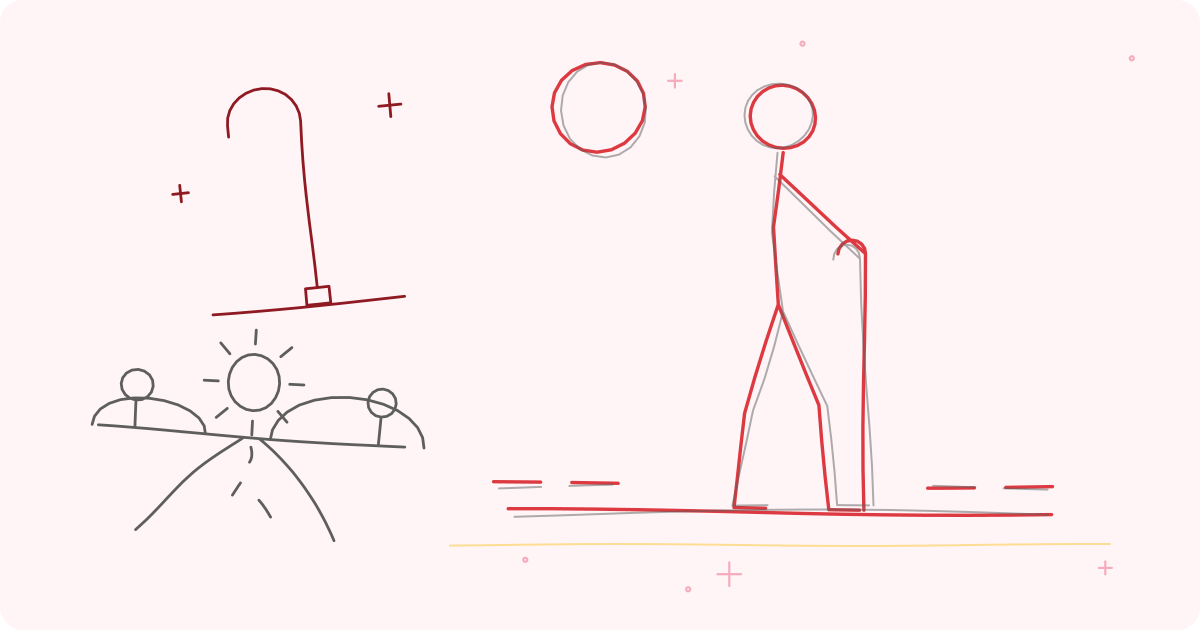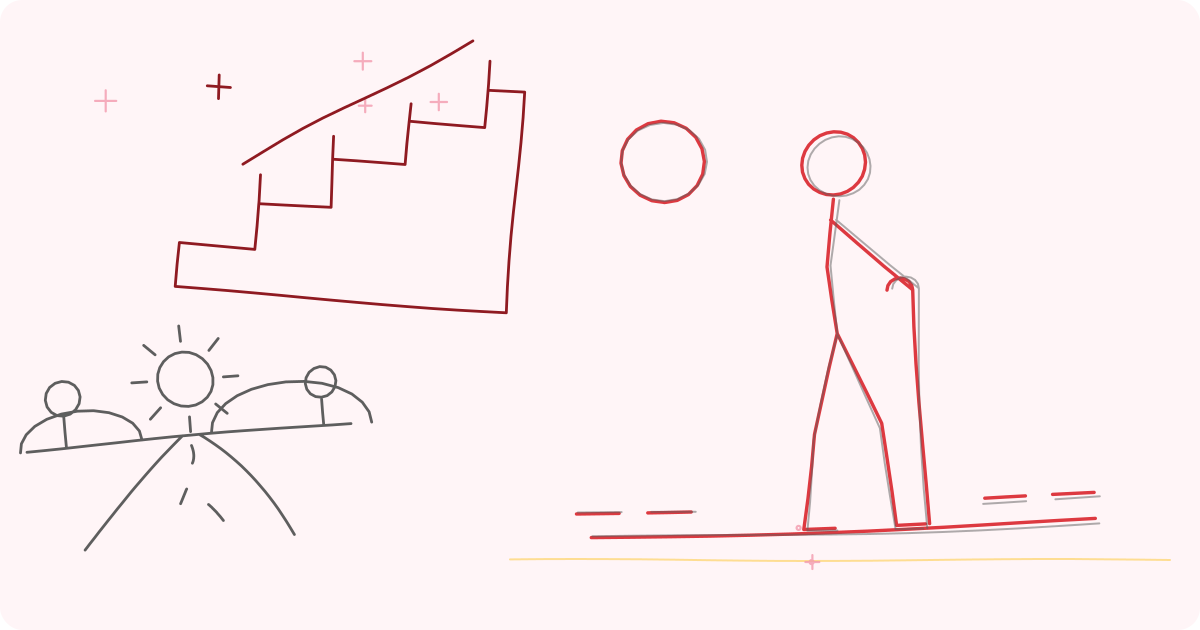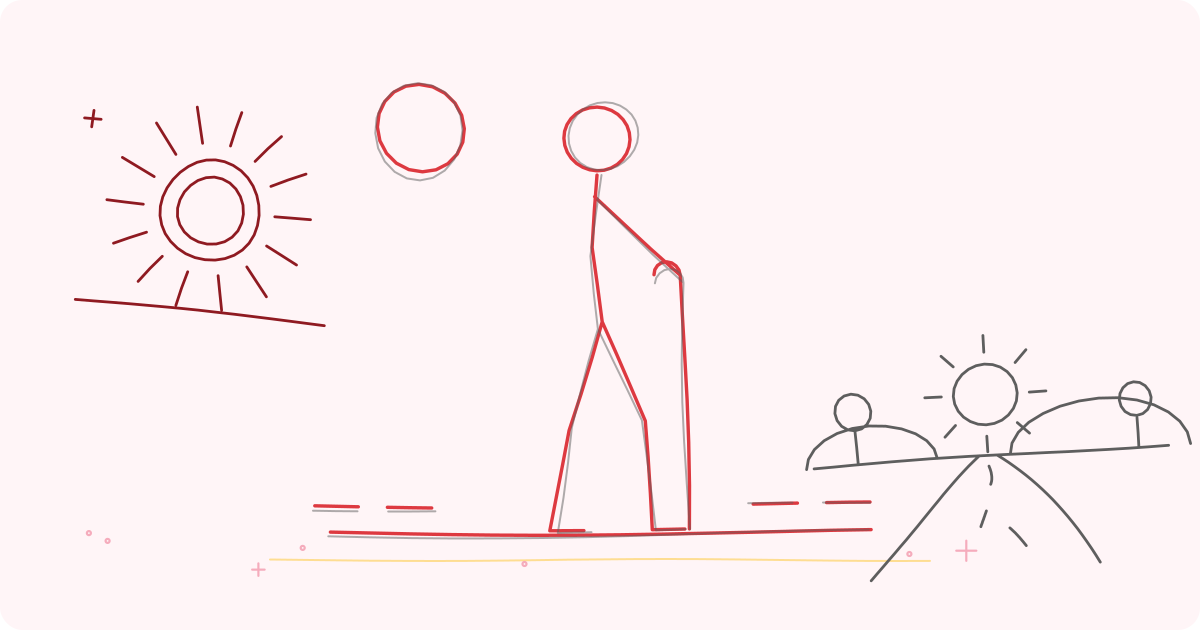
The three terrains: seafront, slope and sand
- Seafront promenade: long, mostly level, paved; exposed to wind and sun; benches are spaced out.
- Hill parks and slopes: gentle to moderate climbs on parks and roads; steps in many neighbourhoods built on hillsides.
- Sand and beach edges: soft, uneven and tiring; wheels sink and tips slip.
Pick the aid and the route together. Ask the doctor or physiotherapist about balance, strength, stamina, vision and pain; see stick or walker: which one does my parent need and how to choose the right wheelchair or mobility aid for seniors.
Rollators for the promenade, with care on slopes
A four-wheeled rollator with a seat and brakes suits people who tire on long seafront walks and need a place to rest.
- Brakes: the person must be able to apply and lock them; see rollator brakes and seat safety and rollator buying guide.
- Wind and gradient: a gust can push a lightweight rollator; keep it close to the body and use brakes on slopes.
- Uphill and downhill: short steps, gentle braking and rests; avoid steep slopes without a helper.
- Sitting: only on level ground, with brakes locked.
- Wheels: larger wheels cope better with kerbs and rough paving; see rollator on indian pavements. Avoid sand; wheels sink.
- Not for stairs and not as a wheelchair.
- Comparison: see rollator vs walking frame.
Quad sticks and offset sticks for slopes and wet ground
A quad stick gives a wide base on uneven or wet ground, useful for one-sided weakness; see quad stick buying guide and quad stick after a stroke. A pivot-base stick flexes with the angle of the stick and grips well on wet or sloping ground; see pivot base walking stick guide. An offset handle spreads load on the palm and eases arthritis; see walking stick handle types. For all sticks:
- Height: handle at the wrist crease with the arm relaxed; see walking stick height fitting and how to choose a walking stick.
- Tip: wide, ribbed rubber, replaced when worn; salt and sun wear tips faster; see walking stick rubber tips.
- Which hand: opposite the weaker leg.
- Seat stick: for rests on the promenade or hill parks; see seat walking stick guide.
- Folding stick: for bag and car; see folding walking stick for travel.
Using a stick on slopes and steps
Many Visakhapatnam homes and routes have slopes and steps.
- Going up: the stronger leg first, then the weaker leg and the stick.
- Going down: the stick first, then the weaker leg, then the stronger.
- Handrails whenever possible.
- In the wet or in wind, avoid slopes and steps, or take a companion.
- Rest at the top or bottom of each flight.
See using a walking stick on stairs and slopes and stairs, steps and thresholds.
Walking routes by need
- RK Beach promenade: long and exposed; walk at dawn, bring water and a hat and use the benches. Keep away from the water's edge in rough weather.
- Tenneti Park coastal path: a coastal path with benches; good for graduated walks.
- VUDA Park: a landscaped park with seating; good for first outings and for building stamina.
- Rushikonda Beach: quiet in the morning; sand is hard going for most aids, so stay on firm paths and consider a companion.
- Kailasagiri hill park: gentle climbs with sea views; use a stick with a good tip or a seat stick, go slowly, avoid when wet and check the distance from help.
- Companion and phone: always on longer or hillier routes.
Weather and the seasons
- Summer (April to June): hot and humid. Walk at dawn, carry water, rest in shade and avoid midday; see heat stroke and dehydration in seniors and exercise in summer and monsoon indoors.
- Monsoon (June to October): wet roads and steps are slippery. Use fresh tips, shoes with grip and a companion, and skip walks when wet.
- Cyclone season (October to November): stay indoors during warnings; do not walk outdoors in storms; make sure aids go with your parent if they must move to a shelter; see visakhapatnam seasonal home equipment.
- Winter (December to February): the most comfortable months. Build stamina; see walking programme for older adults.
Salt, sand and damp: caring for aids
The coast is hard on equipment.
- Rinse and dry aids after beach outings: tips, wheels, joints and folding catches.
- Check weekly: tips, feet, wheel treads, brakes, screws and handle grips.
- Look for rust after the monsoon; replace rusted or loose parts; do not use a damaged aid.
- Store aids off damp floors and away from sea-facing windows, in a dry place.
- Remove sand from wheels and joints; grit wears brakes.
- Keep a spare tip.
- Do not repair beyond simple part replacement.
Wheelchairs and transit chairs
A transit wheelchair is light and folds for a car, useful for outings and hospital visits, though a helper must control it on slopes; see transit wheelchair vs standard wheelchair. A standard wheelchair suits longer sitting, with a measured seat and cushion; see wheelchair buying guide india, wheelchair seat width and measurements and cushions for wheelchair users. Use brakes on slopes and never leave a person alone on an incline. Keep metal parts rinsed and dry; see pushing a wheelchair safely and wheelchair and car travel. Check skin on long sitting; see pressure care in a wheelchair.
Footwear
Choose closed shoes with a firm heel, a flat grippy sole and fastenings the person can manage; avoid loose slippers on wet roads or sand; dry shoes after wet outings; see choosing shoes for older feet and walking aids and footwear. For diabetes, inspect feet daily, particularly after beach walks; see diabetic foot care at home.
Homes on hillsides
Many homes sit on slopes with steep steps. Add handrails on every flight, non-slip surfaces, lighting and a place to rest; use a portable ramp at a single step; and keep a second aid upstairs; see handrails and stair lifts and portable ramps for thresholds. For apartments, check that the lift works during power cuts and cyclones; see lifts and apartment living for seniors.
Strength, balance and review
Aids work best with exercise: chair exercises, balance practice and short, frequent walks, as the physiotherapist advises; see chair exercises for seniors and balance exercises for seniors. Review the aid after any fall, illness or change in strength; see when to move from stick to walker and falls risk assessment at home.
Walking with a companion
On hills, in sand and in the wet, a companion is a safety aid. Walk slightly behind and on the weaker side, with a hand ready but not holding unless needed. Agree the route and the turning-back point before leaving, and carry water, a phone and a medicine list. If your parent slips or feels faint, guide them down or onto a seat rather than trying to hold them up. Practise rising from a bench and stepping off a kerb with the physiotherapist.
When to ask a professional
Ask a physiotherapist to assess and fit. An occupational therapist can assess the home. The doctor should review dizziness, vision, medicines and pain. For senior citizens' information and support, Elderline 14567 is a helpline; check current availability. After a fall with head injury or suspected fracture, call 112.
Equipment mentioned in this guide
Frequently asked questions
Can a rollator be used on the beach?
Not on soft sand; wheels sink. Use paved promenades and firm paths, and consider a companion.
How do I stop salt damage to a walker?
Rinse and dry it after beach or wet outings, wipe joints, check for rust and replace worn parts.
Is Kailasagiri suitable for an older person?
The climbs are gentle but real. Ask the doctor, use a good stick or seat stick, go slowly, avoid wet days and walk with a companion.
What should happen to walking aids in a cyclone warning?
Keep them with the person, dry and ready, and take them if evacuating.
Sources and further reading
- NICE guideline NG249, Falls: assessment and prevention in older people and in people 50 and over at higher risk
- World Health Organization, public guidance on assistive technology and wheelchair provision
- Indian Association of Physiotherapists, public information on walking aids and falls prevention
- Chartered Society of Physiotherapy, public information on walking aids
Tags: Visakhapatnamwalking aidsrollatorquad stickslopessalt airGear for your cityRollator with seat and brakesMobility and walking aidsHealthy ageing
This article is for general education and is not medical advice. Speak to your doctor before changing your exercise, diet or medicines.