Why a quad stick suits many stroke survivors
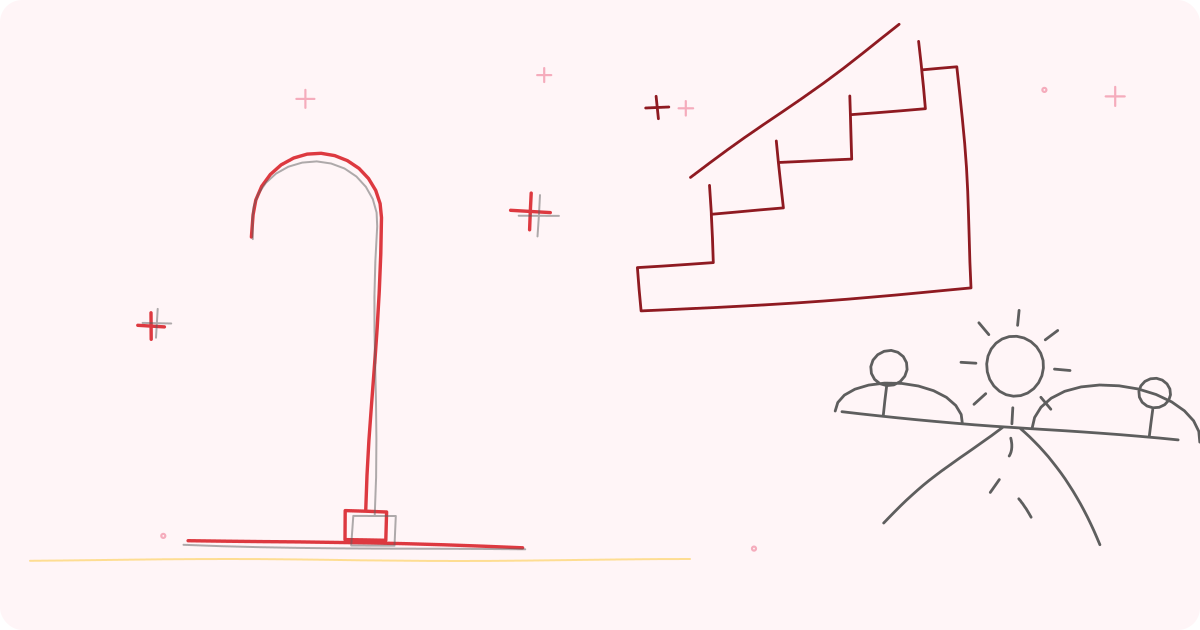
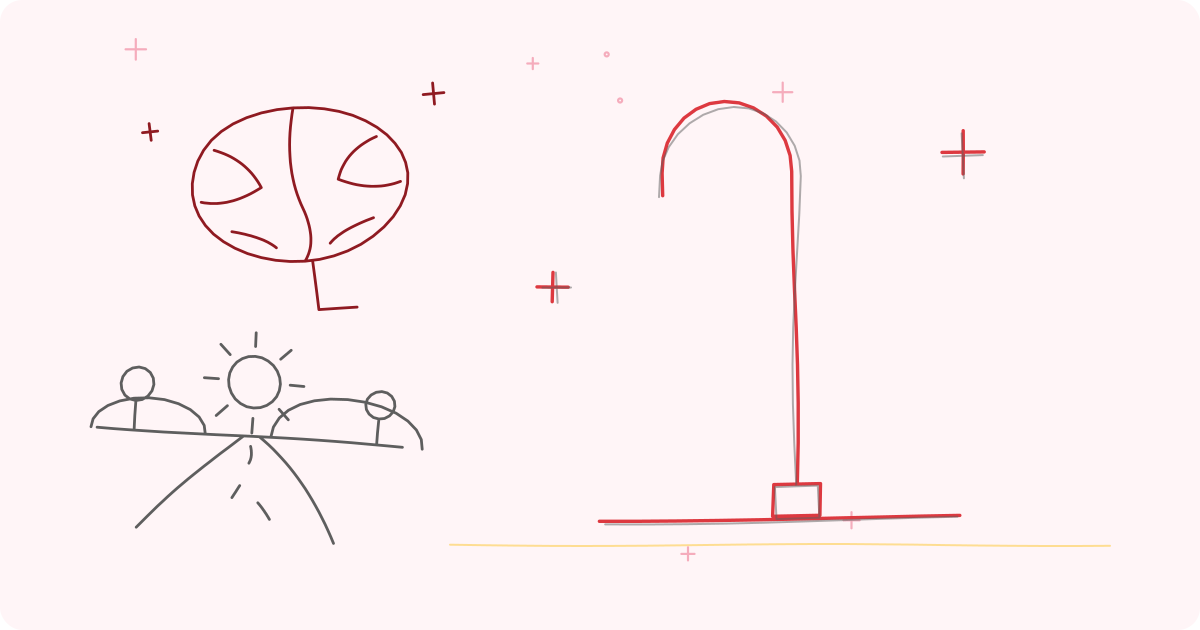
After a stroke, weakness on one side makes balance harder, and a single stick can slip or tip when the hand tires. A quad stick has four small feet in a rectangle, so it keeps its balance even if the person lets go for a moment, for instance to open a door or adjust clothing. The wider base also gives a sense of security that helps confidence. It suits people who:
- can stand and take steps with moderate help;
- have a hand on the stronger side that can grip and hold;
- are not yet steady enough for a single stick but do not need a two-handed frame; and
- walk mainly on flat, firm floors.
It is less suitable for people who cannot grip with either hand, who need heavy support or who walk on stairs or uneven ground often. For general information about the stick, read quad sticks: who needs one and how to choose. For other aids after stroke, see walking aids after a stroke.
Choosing the size and fit
Base size. A small base is lighter and easier on stairs; a large base is steadier on flat ground. Your therapist will choose based on balance and strength.
Height. Set the handle at the wrist crease with a slight bend at the elbow, as for any stick; see how to measure and set the height of a walking stick. Check that the stick is level when the base rests on the floor.
Handle. After a stroke, the stronger hand may still be weakened by fatigue or arthritis. An offset or contoured handle with a soft grip helps; see walking stick handles compared.
Weight. A lighter aluminium model is easier to lift, but check the weight limit.
Feet. All four rubber feet should be the same height and in good condition; see rubber tips for walking sticks.
Which hand, and which way round
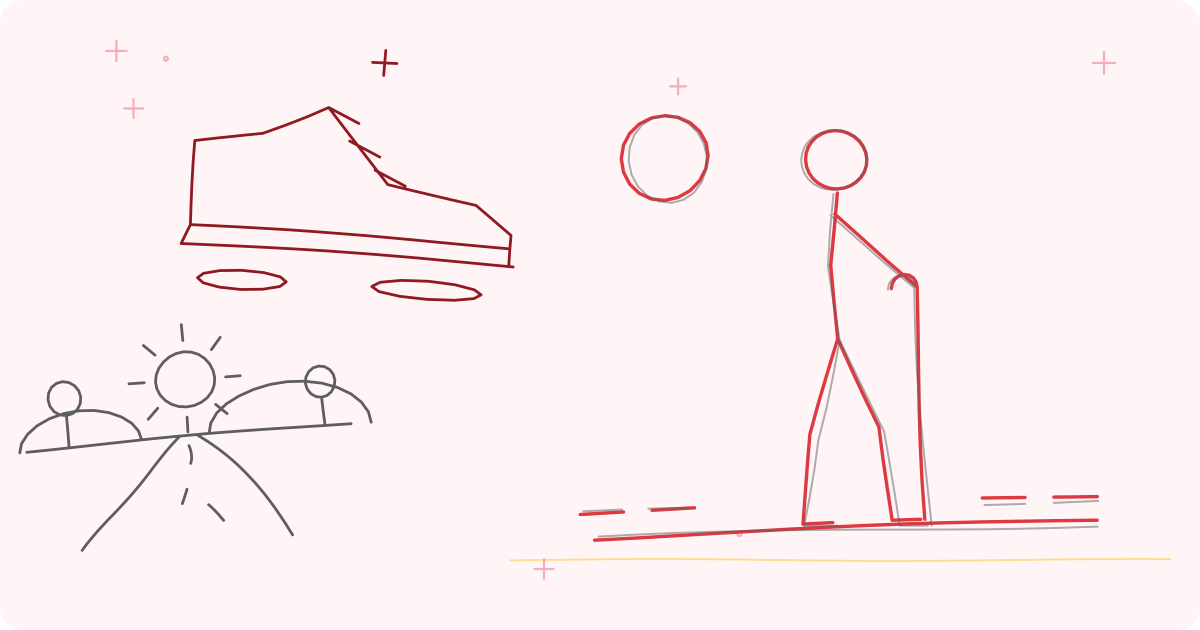
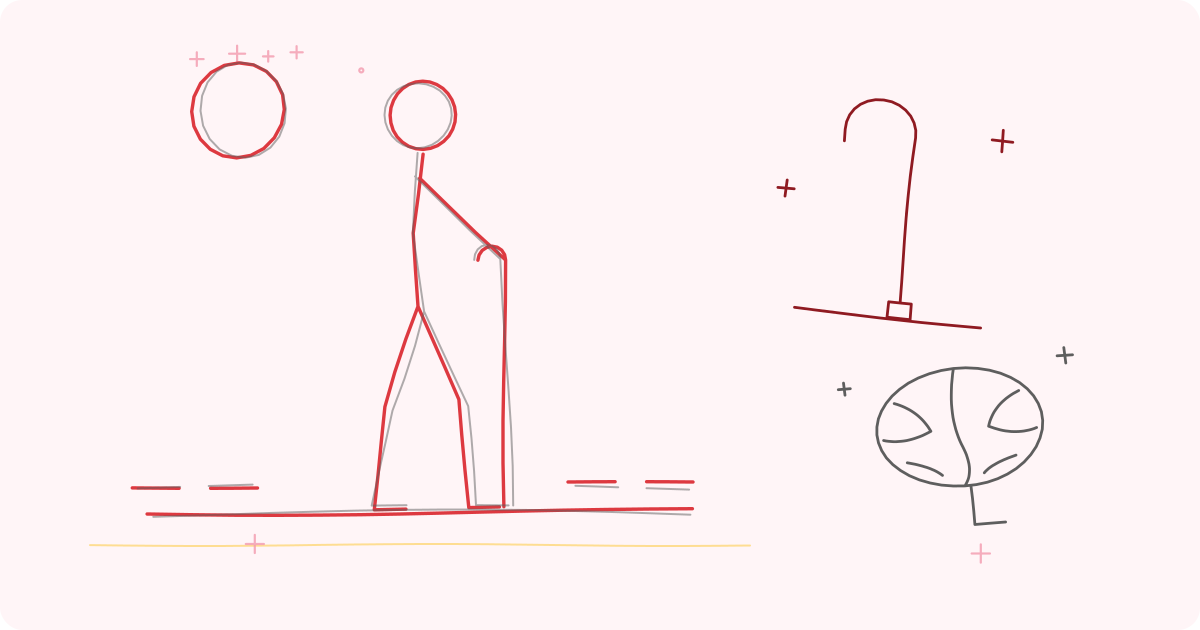
The usual rule is to hold the quad stick in the hand opposite the weak leg. After a stroke, if the right side is weak, the stick goes in the left hand. The stick and the weaker leg move forward together, taking weight off the weak side. Some therapists choose differently depending on the person's strength and hand function, so follow their advice.
Many quad sticks have a base with one long side that is straight and one that is angled or curved. The straight side usually faces the user, which positions the shaft over the strongest part of the base. If the base is wrongly oriented, the stick feels unstable and may tilt. Ask the therapist to show the correct orientation, and mark the correct side if needed.
The step pattern
The pattern is simple and should be practised until it is automatic.
1. Stand tall with the stick in the stronger hand, the base flat on the floor, a short distance ahead of and slightly to the side of the foot. 2. Move the stick forward about one short step, placing all four feet flat. 3. Step forward with the weaker leg to about the level of the stick. 4. Step forward with the stronger leg, past the stick. 5. Pause and check balance. Repeat.
Two common errors are placing the stick too far ahead, which pulls the person forward, and holding it at an angle, which lifts part of the base and removes the stability that the quad design provides. Always keep the base flat on the floor.
Turning, doorways and tight spaces
Turning is where many falls happen after stroke. Take small steps in a circle, moving the stick with each step, rather than twisting the body. Turn towards the stronger side when possible, since it is easier to support the body on the stronger leg. In narrow spaces, such as a bathroom, plan the route in advance. A quad stick's base is wide, so check doorways. In very tight spaces, a therapist may recommend a different aid or a different layout.
Stairs
Stairs need special care. If there is a handrail, use it. The rule "up with the good, down with the bad" applies, with the stick moving with the weaker leg. A quad stick can be tricky on stairs because the base must sit flat on the step; a small-base stick is easier. Many therapists teach stroke survivors to use the rail with the stronger hand and leave the quad stick at the top and bottom, or to carry it in the weaker hand if that hand can hold it. Never use stairs without a rail unless a therapist has taught and cleared you. See using a walking stick on stairs and slopes.
Standing up and sitting down
Standing up from a chair is a high-risk moment. Do not use the quad stick to pull up. Push up from the chair arms with the stronger hand and both legs, then take the stick. To sit, back up to the chair until the legs touch it, reach back for the arm with the stronger hand, and lower slowly. The stick can be hooked or placed within reach, or leant against a wall at an angle so that it does not slide. See helping an elderly parent stand from a chair.
Protecting the weak side
- The weak arm must be supported, never left to dangle. Ask the therapist about a sling, a pillow on the chair arm or a positioning strategy to prevent shoulder pain.
- The weak foot should be placed flat, checked for catching and protected by a good shoe. If foot drop causes tripping, ask about an ankle-foot orthosis.
- Neglect. If your parent tends to ignore the weaker side, place objects, people and cues on that side to encourage attention, and teach scanning.
Walking on different surfaces
A quad stick works best on firm, flat surfaces such as tiled floors, smooth pavements and paths. Be careful with:
- Rugs and carpets, which catch the feet of the base.
- Thresholds, which can lift one foot and tilt the stick.
- Gravel, sand, grass and mud, where the feet sink or slip.
- Wet surfaces, where grip is reduced.
- Slopes, where the base can tilt.
In such places, a therapist may suggest a different aid or an arm to hold.
Common errors and fixes
- Holding the stick at an angle. Keep the base flat.
- Placing it too far ahead. One short step is enough.
- Using the wrong hand. Check with the therapist.
- Using the stick to pull up. Use the chair arms.
- Letting the stick drag. Lift and place.
- Ignoring worn feet. Replace all four together.
- Walking too fast. Slow, regular steps are safer.
- Wearing slippery shoes. See walking aids and footwear.
Moving on to a single stick or other aid
A quad stick is a stage in recovery for many people. Signs that it may be time to move to a single stick include steady balance without leaning, consistent walking, no near falls and a physiotherapist's go-ahead. Moving too soon raises fall risk, and moving too late can slow progress. Some people stay on a quad stick long term; others need a walker. Review with the therapist every few weeks. See signs it is time to move from a stick to a walker for the opposite direction.
Family tips
- Attend a therapy session and learn how to guard: stand slightly behind and to the weak side with a hand ready, without holding the aid.
- Keep the home clear and well lit.
- Encourage short, frequent walks.
- Celebrate progress, but do not push too fast.
- Keep a record of falls and near falls for the therapist.
When to ask a professional
Contact the therapist or doctor if your parent has a fall, new weakness, pain in the shoulder or leg, swelling in the calf, dizziness, confusion or a change in how they walk. In an emergency such as sudden weakness, facial droop, slurred speech or severe headache, call 112 immediately.
Equipment mentioned in this guide
Frequently asked questions
Which hand should hold a quad stick after a stroke?
Usually the stronger hand, opposite the weak leg, so the stick moves with the weak leg. A physiotherapist will confirm because it depends on strength and hand function.
Can a quad stick be used on stairs?
With care, and preferably with a handrail. A small-base stick is easier. Many therapists advise holding the rail and leaving the stick at the top and bottom of the stairs. Never use stairs unassisted until a therapist has cleared you.
Is a quad stick better than a walker after a stroke?
It depends. A walker gives more support but needs two hands. A quad stick suits people with a functioning stronger hand and moderate balance. The therapist will choose.
How long will my parent need a quad stick?
It varies from weeks to long term. Review progress regularly and move to a single stick only when balance is steady and the therapist agrees.
What is the right base orientation?
Usually the straight side of the base faces the user, but models differ. Ask the therapist to show the right way and mark it.
Sources and further reading
- Royal College of Physicians, National Clinical Guideline for Stroke for the UK and Ireland
- NICE guideline NG236, Stroke rehabilitation in adults
- Chartered Society of Physiotherapy, patient information on walking aids
- American Heart Association and American Stroke Association, Guidelines for adult stroke rehabilitation and recovery
Tags: quad stick strokefour-point canestroke walking aidone-sided weaknesshemiparesisstroke rehabilitationWalking and mobility aidsQuad (four-point) stickMobility and walking aidsHealthy ageing
This article is for general education and is not medical advice. Speak to your doctor before changing your exercise, diet or medicines.