Walk the home like a stranger
Start by walking through the house as if you had never seen it, then as your parent does, in the footwear they wear. Notice each step, its height and edge; each floor surface when dry and when wet; each door sill; the lighting; and the distance from bed to bathroom. Make a list in order of risk. Then walk the night route in the dark. For a general check, see monthly home safety check and falls risk assessment at home.
Polished floors and slippery tiles
Polished stone, marble and glazed tiles look lovely and become skating rinks when damp or dusty.
- Anti-slip treatment for floors and steps, rather than loose rugs; see anti-slip tape and coatings and flooring, rugs and trip hazards.
- Keep floors dry: wipe drips from umbrellas, wet feet and spills at once.
- Footwear indoors: shoes or socks with grip rather than smooth slippers; see choosing shoes for older feet.
- Rug rules: if a rug must stay, use non-slip backing and fix the edges; ideally remove it.
- Aid tips: keep rubber tips on sticks and frames in good condition.
- Clear paths: no cables or clutter; paths wide enough for a walker.

Steep steps
Older houses often have steep internal and entrance steps.
- Handrails on both sides of every flight, continuous and firm, at a comfortable height; see handrails and stair lifts.
- Step edges in a contrasting colour, with non-slip tape; see stairs, steps and thresholds.
- Light at both ends and on the stairs, with switches at the top and bottom.
- Clear steps: no storage, no loose mats.
- A seat at the bottom or top for a rest.
- A second aid on the upper floor, so that nothing is carried on stairs.
- A portable ramp at a single step or threshold for a rollator or wheelchair; see portable ramps for thresholds.
- Where possible, arrange daily life on one level, with a bedroom and bathroom downstairs for someone who struggles with stairs; see ground floor vs upper floor living.
- A stair lift may be possible on some staircases, but needs a professional assessment.
- Using a stick on stairs: go up with the stronger leg and down with the weaker leg; see using a walking stick on stairs and slopes.
The route from bed to bathroom
When the bathroom is far from the bedroom, night trips are long and risky.
- A motion-sensor night light along the route; see motion night lights for seniors.
- A clear, level floor, with no steps or rugs on the way.
- Handrails or furniture to hold along a long corridor, only if sturdy.
- A commode or urinal at the bedside at night if the walk is too far; see bedside commode and urinal routines and night-time toilet trips and falls.
- Sit on the edge of the bed for a minute before standing, to avoid dizziness; see dizziness and low blood pressure when standing.
- Consider moving the bedroom closer to the bathroom if practical.
- A way to call for help from bed; see bedroom setup for night safety.
The bathroom
Floor. A non-slip mat with drainage holes in the wet area, a dry mat outside and anti-slip tape or coating on smooth tiles; see non-slip bath mats guide and bathroom flooring for older people. A wiper after each use.
Grab bars. Fixed into the wall with proper plugs, beside the toilet, in the shower and at the entry; not suction bars; see grab bar buying guide, where to fit grab bars and suction grab bars are not safe. In older walls, check what the wall is made of, and have a competent person fit them; for rented homes, see installing grab bars in rented homes.
Seating. A shower chair or bench with rubber feet and a handheld shower; see shower chair buying guide, handheld shower guide and bathing safely with a shower chair.
The toilet. A raised seat or frame helps with standing; for a squat toilet, see indian style toilet to western conversion, raised toilet seat guide and toilet frame guide.
Water and electrics. Keep geysers in good order and set the temperature safely; warm the bathroom in cool months; see safe use of heaters and geysers.
Help and light. A door that opens from outside, bright light and a way to call; see bathroom emergency alerts.
See bathroom safety checklist for seniors and bathroom safety products for seniors.
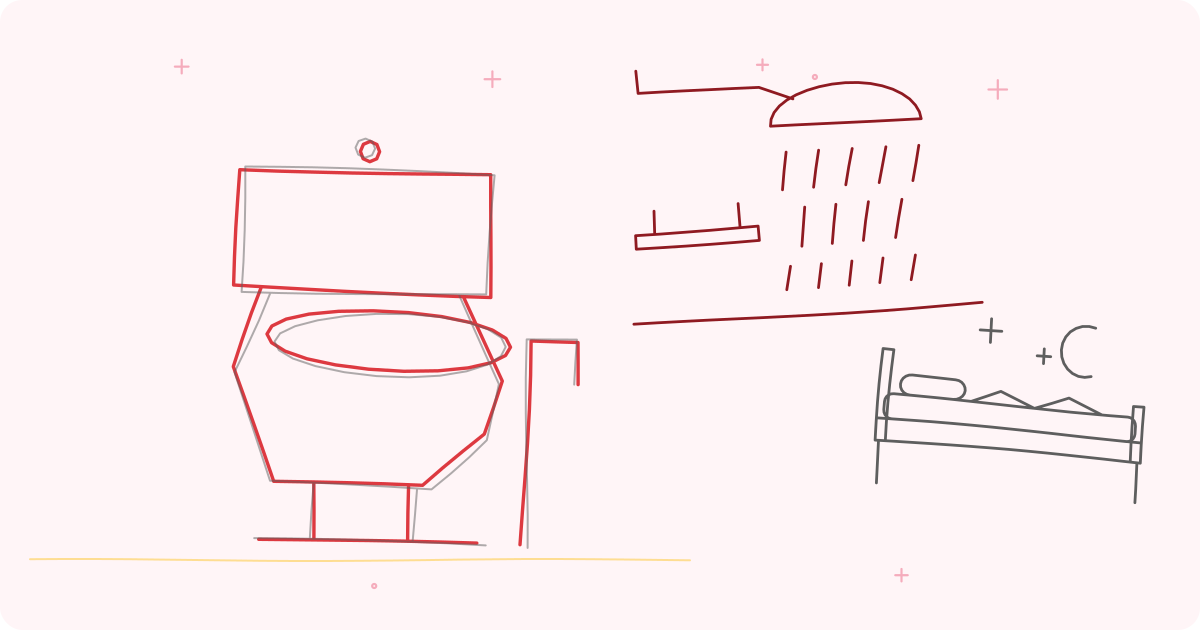
The bedroom
- Bed height and edge: feet flat, knees at right angles, a firm edge; see bed height and getting out of bed.
- Light: a lamp within reach; see lighting and contrast at home.
- Winter mornings: a light quilt, warm socks and a heater kept away from bedding and ventilated, with no charcoal or open flames in a closed room.
- A clear floor, slippers with grip.
- Within reach: water, phone or pendant, spectacles, torch and pill box.
- For someone mostly in bed: a hospital bed, a pressure-relieving mattress and repositioning; see hospital bed at home guide, air mattress for pressure sores and preventing bedsores at home.
- Bed rails only on advice; see bed rails guide.
- Small rooms: see small room bed layouts.
Entrances and wet days
In the gentle monsoon, entrances and garden paths get wet.
- A non-slip surface, a rough doormat fixed at the edges, a seat for removing shoes and a towel for drying aids.
- Handrails at steps and on garden paths.
- Light at the door and along the path.
- Wet leaves on paths: sweep regularly.
- A key safe or a spare key with a neighbour; see key safe guide.
Living alone in a calm neighbourhood
Calm neighbourhoods can mean fewer passers-by, so a fall may go unnoticed for longer. Prepare:
- A way to call from bed, bathroom and living area: a pendant, a phone on speed dial or both; see panic pendant buying guide and home safety for seniors living alone.
- A daily check-in from a family member or neighbour.
- A spare key with a neighbour or in a key safe.
- Visible emergency numbers; see emergency contact card and medical summary and ambulances and emergency numbers in india.
- Agree who responds; no device ensures rescue.
Adjusting for particular needs
- Walkers and rollators: wide doors, ramps over thresholds; see rollator buying guide.
- Wheelchair users: space to turn and an accessible bathroom; see bathroom layout for wheelchair users.
- Poor vision: contrast and light; see low vision home safety.
- After stroke or surgery: follow therapist advice; see bathroom safety after stroke and after hip surgery bathroom setup.
- Dementia: simple, labelled spaces and safe doors; see dementia home setup.
Priorities
First: the night route with light and a clear floor, anti-slip on floors and steps, fixed grab bars in the bathroom and handrails. Then: seating, bed changes, a way to call and equipment. See bathroom budget makeover for seniors. Review every few months, before the monsoon and after any fall or illness.
When to ask a professional
An occupational therapist can assess an older home; see occupational therapy home assessment. A qualified electrician, plumber or builder should do fixed work. A physiotherapist can assess balance. The doctor should review dizziness, vision and medicines. For senior citizens' information and support, Elderline 14567 is a helpline; check current availability. After a fall with head injury or suspected fracture, call 112.
Equipment mentioned in this guide
Frequently asked questions
What is the first change to make in an older Mysuru house?
The night route from bed to bathroom: light, a clear floor and, if the walk is long, a bedside commode.
How do we deal with polished floors without losing the look?
Use anti-slip treatments made for floors, keep them dry and wear shoes or socks with grip.
Are handrails needed if the steps are short?
Yes. Even a few steep steps can cause a fall. A firm rail on both sides is inexpensive protection.
What helps a parent living alone?
A way to call, a daily check-in, a spare key with a neighbour, visible numbers and a clear, lit home.
Sources and further reading
- NICE guideline NG249, Falls: assessment and prevention in older people and in people 50 and over at higher risk
- World Health Organization, Step safely: strategies for preventing and managing falls across the life-course
- Royal College of Occupational Therapists, public information on home adaptations
- Bureau of Indian Standards, public information on bathroom fittings and electrical safety (check current standards)
Tags: Mysuruhome safetyolder housessteep stepsbathroom safetyfalls preventionGear for your cityWall-fixed grab barBathroom and toilet safetyHealthy ageing
This article is for general education and is not medical advice. Speak to your doctor before changing your exercise, diet or medicines.