Start with the steps
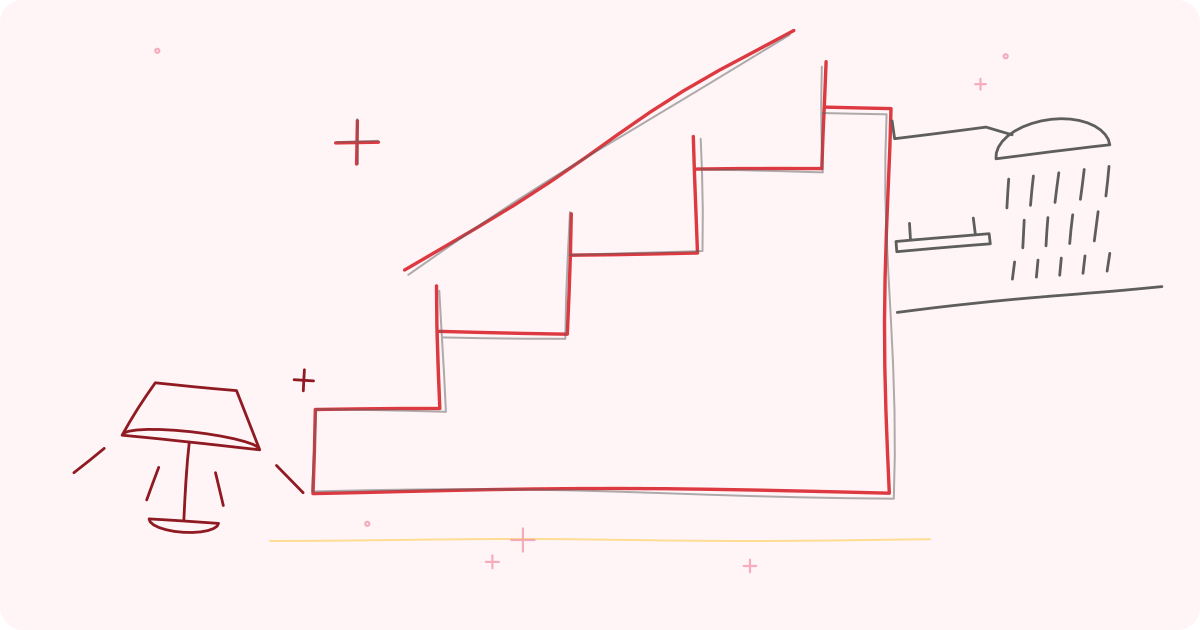
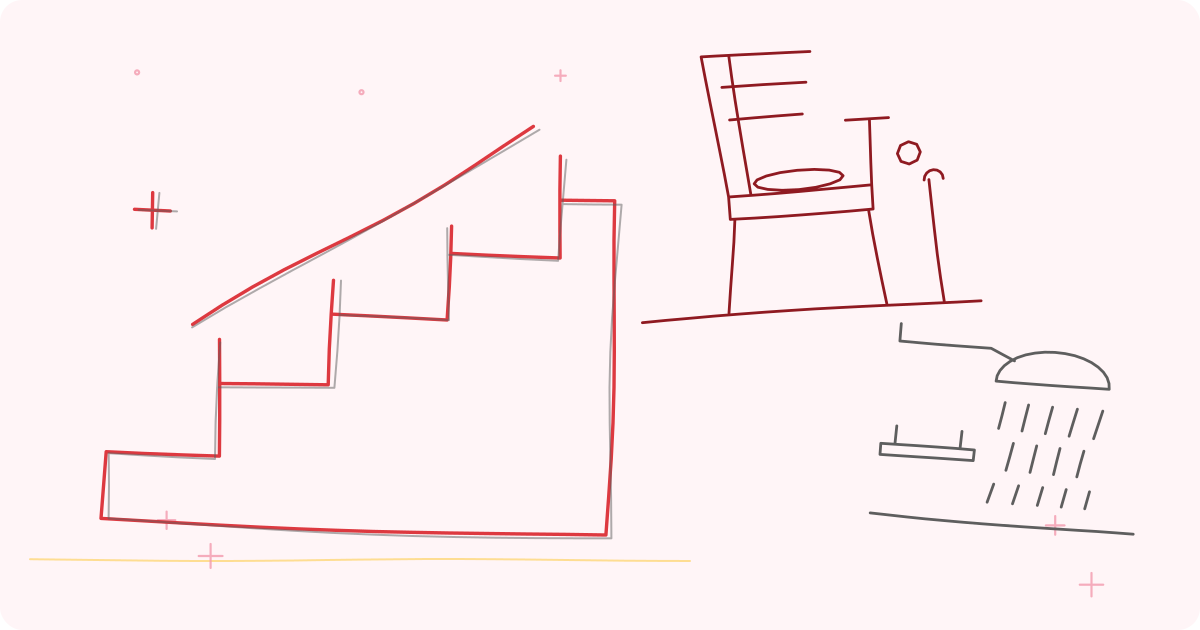
Walk from the road to the door as your parent does, in the footwear they wear, on a wet day if you can. Count the steps. Check each for loose, slick or uneven surfaces, and note where there is nothing to hold.
- Handrails along the path and steps, on both sides if possible, firmly fixed into sound material, and checked for rust; see handrails and stair lifts.
- Non-slip surfaces: anti-slip tape or coating on every step edge, refreshed after the monsoon; see anti-slip tape and coatings.
- Step edges in contrasting colour, with consistent heights where possible; see stairs, steps and thresholds.
- Light at the gate, path and door.
- Resting places along a long climb.
- A portable ramp at a single step or threshold; for longer rises, ask an occupational therapist or builder; see portable ramps for thresholds.
- A dry zone: a rack for shoes, a towel for aids and a place to sit.
- A key safe or a spare key with a neighbour; see key safe guide.
- If your parent struggles with stairs, avoid homes with long outdoor flights, and keep daily life on one level; see ground floor vs upper floor living.
The bathroom in a humid, salty climate
Floor. A non-slip mat with drainage holes in the wet area, a dry mat outside and anti-slip tape or coating on smooth tiles; see non-slip bath mats guide and bathroom flooring for older people. Humid air keeps bathrooms damp, so wipe the floor after each use and ventilate.
Grab bars. Fixed into the wall with proper plugs, beside the toilet, in the shower and at the entry; not suction bars. In a salt-laden, humid climate, choose bars made of rust-resistant material, and check fixings regularly, since corrosion can weaken them; see grab bar buying guide, where to fit grab bars and suction grab bars are not safe.
Seating. A shower chair or bench with rubber feet and a handheld shower; see shower chair buying guide, handheld shower guide and bathing safely with a shower chair. Rinse and dry metal frames; replace rusted ones.
The toilet. A raised seat or frame helps with standing; for a squat toilet, see indian style toilet to western conversion, raised toilet seat guide and toilet frame guide.
Electrics and water. Keep geysers, switches and sockets in good order; do not use electrical items near water; see safe use of heaters and geysers.
Help and light. A door that opens from outside, bright light and a way to call; see bathroom emergency alerts.
See bathroom safety checklist for seniors and bathroom safety products for seniors.
The bedroom
- Night route: a motion-sensor night light, a clear floor and, if the toilet is far, a commode; see motion night lights for seniors, bedroom setup for night safety and night-time toilet trips and falls.
- Humid nights: a fan placed safely, cotton bedding, a breathable mattress protector and water within reach; see temperature and ventilation at home and mattress protector guide.
- Mosquitoes: a net or screens, particularly in the monsoon.
- Bed height and edge: feet flat, knees at right angles, a firm edge; see bed height and getting out of bed.
- Within reach: water, phone or pendant, spectacles, torch and the pill box.
- For someone mostly in bed: a hospital bed, a pressure-relieving mattress and repositioning; see hospital bed at home guide, air mattress for pressure sores and preventing bedsores at home.
- Bed rails only on advice; see bed rails guide.
- Windows: keep the bed away from windows that could break in a storm.
Inside stairs and upper floors
- Handrails on both sides, continuous and firm.
- Step edges in contrast with non-slip tape; light switches at the top and bottom.
- Clear steps: no storage, no loose mats.
- Daily life on one level, with a bedroom and toilet close together.
- Apartments: check that the lift works during power cuts and cyclones and fits a wheelchair or stretcher; see lifts and apartment living for seniors and care equipment for a first-floor flat.
Living areas and kitchen
- Fix or remove rugs; tidy cables; keep paths wide for a walker; see flooring, rugs and trip hazards.
- Choose firm chairs with arms and a suitable height; see choosing a chair for an older person.
- Keep daily items between waist and shoulder height; use a reacher rather than a stool; see reacher grabber guide and kitchen safety for older adults.

Power cuts and cyclone readiness inside the home
- Light: a charged emergency light or torch at the bed, in the hall and in the bathroom; see power cuts and older adults.
- Medical equipment: know the backup for beds, pumps and oxygen; see hospital bed electricity and power cuts and oxygen and power cuts.
- Safe room: choose an inner room away from windows for a storm, with a mattress or chair for the older person, water, medicines and the documents pouch.
- Keep paths to the safe room clear, lit and non-slip.
- During a cyclone, stay away from windows and sea-facing sides, and do not go outside; follow official instructions.
Moving an older person safely
If evacuation is advised, an older person with limited mobility must be moved safely, not hurriedly.
- Plan in advance who will help, which route, which vehicle and where to; agree it before the season.
- Choose a route that avoids steep wet steps if possible, with two people for any step, and a sturdy chair or a wheelchair for long distances.
- Never carry alone, or lift under the arms; get hands-on training in safe handling from a physiotherapist or nurse; see how to lift and transfer safely.
- Take aids, medicines, the document pouch and devices; see emergency contact card and medical summary.
- Tell neighbours, and check on older neighbours.
- For anyone bedridden, ask the doctor and local authorities in advance about transport and care in a shelter or hospital.
Adjusting for particular needs
- Walkers and rollators: wide doors, ramps over thresholds; see rollator buying guide.
- Wheelchair users: space to turn and an accessible bathroom; see bathroom layout for wheelchair users.
- Poor vision: contrast and light; see low vision home safety.
- After stroke or surgery: follow therapist advice; see bathroom safety after stroke and after hip surgery bathroom setup.
- Dementia: simple, labelled spaces and safe doors; see dementia home setup.
Priorities
First: night lighting, remove loose rugs, fixed rust-resistant grab bars and non-slip surfaces in the bathroom, handrails and non-slip surfaces on steps and a way to call. Then: seating, a cyclone plan and bed changes. See bathroom budget makeover for seniors. Review before the monsoon and again before the cyclone window, and after any fall or illness.
When to ask a professional
An occupational therapist can assess the home and the approach; see occupational therapy home assessment. A qualified builder, electrician or plumber should do fixed work. A physiotherapist can assess balance and teach safe handling. The doctor should review dizziness, vision and medicines. The state disaster management authority gives official advice on shelters and evacuation. For senior citizens' information and support, Elderline 14567 is a helpline; check current availability. After a fall with head injury or suspected fracture, call 112.
Equipment mentioned in this guide
Frequently asked questions
What should we fix first on a hillside home?
The path and steps: handrails, non-slip surfaces, lighting and a rest seat, before inside changes.
Do grab bars rust in coastal bathrooms?
Poor-quality ones can. Choose rust-resistant material, check fixings regularly and replace corroded bars.
How do we prepare to move my father in a cyclone?
Plan in advance who will help, the route and the destination, practise safe handling with a physiotherapist and pack aids, medicines and documents.
Where is the safest room in a storm?
Usually an inner room away from windows. Follow official advice for your area.
Sources and further reading
- NICE guideline NG249, Falls: assessment and prevention in older people and in people 50 and over at higher risk
- India Meteorological Department and National Disaster Management Authority, public guidance on cyclone preparedness (check current advice)
- Royal College of Occupational Therapists, public information on home adaptations
- Bureau of Indian Standards, public information on bathroom fittings and electrical safety (check current standards)
Tags: Visakhapatnamhome safetyhillside stepsbathroomcyclone planfalls preventionGear for your cityWall-fixed grab barBathroom and toilet safetySafety and alert devices
This article is for general education and is not medical advice. Speak to your doctor before changing your exercise, diet or medicines.