Start with the person and the route
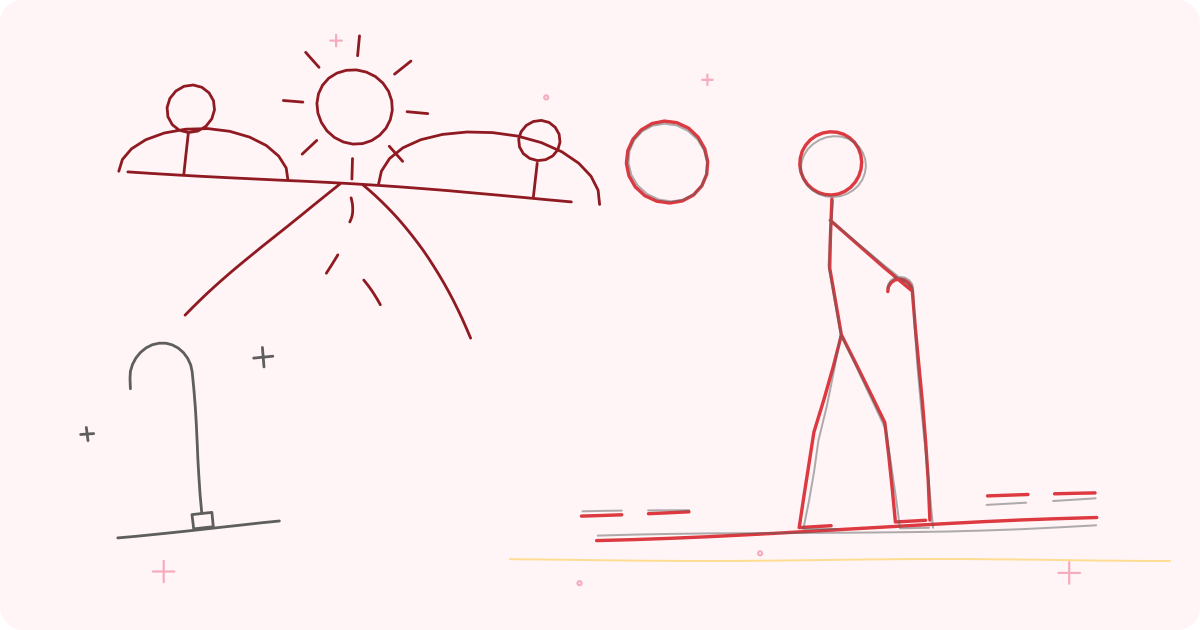
Watch your parent in a lane, on steps, at the car door and on a longer walk. Note swaying, dragging a foot, avoiding turns and how quickly they tire in the heat. Ask where they most want to go: the temple, the market, a family function, the garden. A physiotherapist gait assessment gives clear answers, and stick or walker: which one does my parent need offers a framework.
Sticks
- A stable adjustable stick is the best fit for narrow, crowded lanes; it takes little space and can be held close; see how to choose a walking stick and walking stick height fitting.
- A folding stick fits in a bag or car, for people who walk a little and ride a little; see folding walking stick for travel.
- A seat stick gives a rest stop at temples, heritage sites and queues, where seating is scarce; it is less stable than a rollator, so it is for steadier walkers; see seat walking stick guide.
- A quad stick stands by itself and suits one weak side; it is bulkier on steps; see quad stick buying guide.
- A pivot-base or wide-tip stick for the short, slippery monsoon; see pivot base walking stick guide and walking stick rubber tips.
- A heat-friendly grip: metal gets hot in the sun; choose a soft, light grip and keep the stick in shade; see walking stick handle types.
Rollators and frames
- Wide, flat paths in Central Park, Jawahar Circle Garden, Ram Niwas Bagh and the roads near Rambagh and Sawai Man Singh Stadium suit a rollator with a seat and good brakes; see rollator buying guide, rollator brakes and seat safety and rollator on Indian pavements.
- Old-city lanes are usually too narrow, crowded and uneven for a rollator; use a stick and a companion.
- Walking frames and two-wheeled walkers suit slow indoor walking; see walking frame buying guide and two wheeled walker guide.
- Steps stop rollators; plan a rail or ramp at home; see portable ramps for thresholds.
- Dust and heat: wipe the aid after outings and keep metal parts out of sun.
Wheelchairs and transit chairs
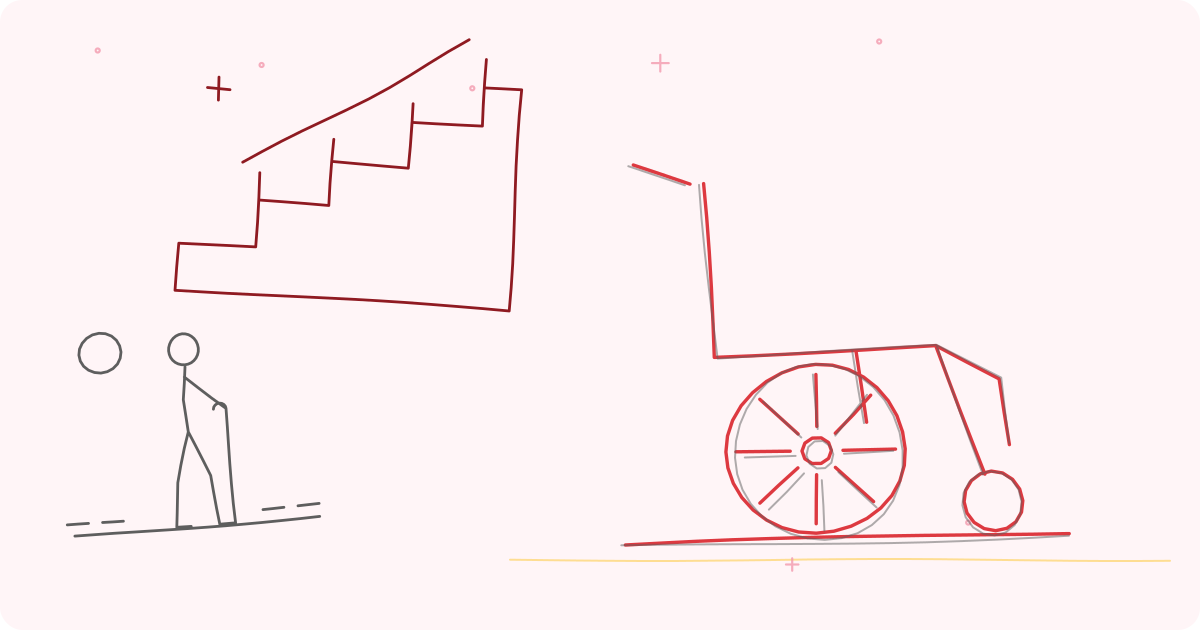
- A transit wheelchair makes temples, heritage sites and long hospital waits possible, pushed by a helper, folded into a car boot; see transit wheelchair vs standard wheelchair.
- A standard wheelchair for daily use; see wheelchair buying guide for india, wheelchair seat width and measurements and cushions for wheelchair users.
- Uneven stone paving makes pushing hard; choose larger wheels and a strong helper, and plan routes with ramps.
- Heat and skin: choose a breathable cushion cover; see pressure care in a wheelchair.
- Renting for a visit or recovery; see renting vs buying a wheelchair.
- Cars: see getting an elderly person in and out of a car and wheelchair and car travel.
Temples, heritage sites and steps
Many of Jaipur's best-loved places have steps, ramps and uneven stone. - Plan early in the morning in the hot months, when it is cool and quiet; midday stone is hot underfoot. - Use a folding stick, a seat stick or a transit wheelchair, and take a helper. - Check access in advance: ask whether there are ramps, lifts or alternate entrances. - Footwear: where shoes must be removed, carry non-slip socks if allowed, and avoid hot stone in the afternoon. - Take water, a hat and a plan for rest and shade. - Do not attempt steep steps alone; a companion should stand on the downhill side. See mobility aids for temples and weddings and using a walking stick on stairs and slopes.
Bazaars and crowds
Bazaars are narrow and crowded, with no pavement and vehicles squeezing by. Go at quiet hours, use a stick and a companion's arm, avoid a rollator, and agree a meeting point. A seat stick helps at stalls. Carry a phone and an emergency card; see emergency contact card and medical summary.
Walks in the gardens
- Central Park: a large, popular walking park with a jogging track.
- Jawahar Circle Garden: a landscaped, well-kept garden.
- Ram Niwas Bagh: a historic garden near the zoo and museum.
- Rambagh and the Sawai Man Singh Stadium road: wide, flat paths.
- Nahargarh Biological Park surroundings: trails for stronger walkers.
In summer, walk at dawn or after sunset with water. Winter days are cool and bright and the best for walking and sightseeing; warm up first on chilly mornings. In the monsoon use paved loops. See exercise in summer and monsoon indoors.
Heat and walking
Dry heat dehydrates quickly. Walk early or late, carry water, wear a hat, stop for dizziness, headache or confusion and avoid metal handles that burn. If your parent takes diuretics or blood pressure medicines, ask the doctor about fluids and exercise in hot weather; see heat stroke and dehydration in seniors.
Footwear and floors
Closed shoes with flat, grippy soles are safer than loose chappals on polished marble and uneven stone; see choosing shoes for older feet and walking aids and footwear. At home, marble steps are especially slippery: anti-slip tape helps; see anti-slip tape and coatings and flooring, rugs and trip hazards.
Choosing by situation
| Situation | Often suitable | |---|---| | Mostly steady, old-city lanes | Stable adjustable stick with a companion | | Queues, temples, heritage sites | Seat stick or transit wheelchair | | One weak side | Quad stick, then reassess | | Long, flat garden walks, tires easily | Rollator with a seat and brakes | | Slow indoor walking after surgery | Walking frame or two-wheeled walker |
Common mistakes
- Taking a rollator into a crowded lane.
- Walking on hot stone at midday.
- Relying on a seat stick with poor balance.
- Using a stick with a worn tip on marble.
- Attempting steep steps without a helper.
- Ignoring chest tightness or dizziness in the heat.
Care and strength
Wipe handles and wheels, check brakes, tips and bolts monthly and replace damaged aids; see cleaning and maintaining mobility aids and mobility aid budget india. Balance and strength exercises make aids safer; see balance exercises for seniors, chair exercises for seniors and what to do after a fall.
Common problems and quick fixes
- Hot metal handles: use a soft grip, keep the stick in shade and walk in the cooler hours.
- Slipping on marble: replace the tip, add tape or mats and check the shoes.
- A seat stick wobbles: it is meant for short rests, not for weight-bearing during walking; ask the physiotherapist whether a rollator suits better.
- Your parent leaves the aid behind in the lane: keep an aid at each doorway and use a wrist strap; see keeping independence with small aids.
- Tired legs on the way home from a temple: plan a rest stop and a cab for the return.
A simple walking plan
Start with a loop your parent can finish comfortably, such as a lap of Central Park at dawn, with a rest on a bench. Add two minutes each week if there is no new pain, dizziness or breathlessness. Carry water, wear a hat and finish before the morning heat builds in summer. Share a note of distance, effort and symptoms with the physiotherapist; see walking programme for older adults.
When to ask a professional
Ask a physiotherapist to fit the aid and teach stairs and slopes. Ask the doctor about dizziness, joint pain or breathlessness. Ask an occupational therapist about steps and the home. Call 112 after a fall with injury, head blow or inability to get up.
Equipment mentioned in this guide
Frequently asked questions
Which aid suits Jaipur's old-city lanes?
A stable stick, with a companion's arm, since lanes are narrow, crowded and uneven.
How do we manage steps at temples?
Plan early, take a helper, use a stick or seat stick or a transit wheelchair and check for ramps or alternate entrances.
Can we use a rollator in the garden?
Yes, on wide, flat paths with good brakes and a seat.
How do we walk safely in summer?
Go early or late, carry water, wear a hat and avoid hot metal handles.
Sources and further reading
- National Institute for Health and Care Excellence, NG249 Falls: assessment and prevention in older people
- World Health Organization, guidelines on the provision of manual wheelchairs and assistive technology
- National Disaster Management Authority, India, guidelines on heat wave
- Chartered Society of Physiotherapy, guidance on walking aids
Tags: Jaipurwalking aidsfolding stickseat sticktransit wheelchairold citymobilityGear for your cityMobility and walking aidsHealthy ageing
This article is for general education and is not medical advice. Speak to your doctor before changing your exercise, diet or medicines.