Start with what the person needs
Before buying anything, answer a few questions with the doctor or physiotherapist.
- How steady is the person on level ground, on slopes, on stairs and when turning?
- Is the weakness or pain one-sided (after a stroke, a hip or knee problem), or general?
- How far do they want to walk, and where: a lakeside loop, a sector market, the park beside home?
- Do they tire quickly or get breathless, so that a seat would help?
- Is there any memory or vision problem that would make a complicated aid hard to use?
- What does the home allow: door widths, thresholds, lift or stairs, storage space?
For a clear first look at the options, see stick or walker: which one does my parent need and how to choose the right wheelchair or mobility aid for seniors.
Walking sticks for Chandigarh's level paths
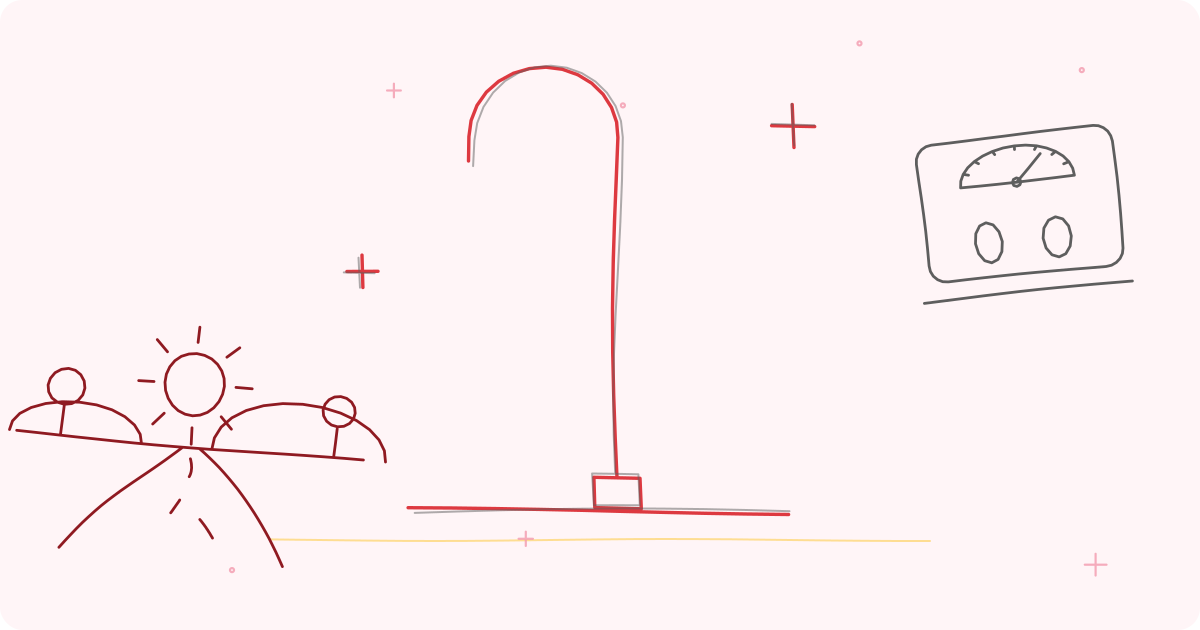
On the city's wide, mostly level footpaths and park paths, a standard stick suits many people who need a little extra balance. Points that matter:
- Height: the handle should reach the crease of the wrist with the arm hanging relaxed and the elbow slightly bent when standing; see walking stick height fitting.
- Handle: a curved handle is common; an offset or ergonomic handle spreads load on the palm and helps those with arthritis; see walking stick handle types.
- Tip: a wide, ribbed rubber tip grips wet paving and marble steps; replace it when the pattern wears; see walking stick rubber tips.
- Which hand: the stick goes on the side opposite the weaker leg.
- Folding sticks pack into a bag, which is handy for trips to a market, a gurdwara or a temple where the person may want to rest without carrying a long stick; see folding walking stick for travel.
- A seat stick gives a rest stop on longer walks around the lake; see seat walking stick guide.
- A quad stick suits someone with one-sided weakness who needs a wider base; see quad stick buying guide.
A stick that is too long or too short is worse than none. Ask the physiotherapist to check it, and re-check after any change in footwear.
Rollators and walking frames
For those who tire, feel unsteady or need both hands for support, a four-wheeled rollator or a frame is usually better than a stick.
- Rollator with brakes and a seat: useful for long promenades, because the person can stop and sit; learn the brakes first; see rollator buying guide and rollator brakes and seat safety.
- Walking frame (fixed or two-wheeled): gives more stability for short indoor distances and after surgery; see walking frame buying guide, two-wheeled walker guide and how to use a walking frame correctly.
- Comparison: see rollator vs walking frame.
- Fit: handles at wrist height, elbows slightly bent, the person standing upright inside the frame rather than pushing it far ahead.
- Indian pavements: even in a planned city, kerbs, joins in paving and tree roots exist; larger wheels cope better; see rollator on indian pavements.
- Do not use a rollator on stairs, and take care on ramps and slopes.
- Never use a rollator as a transport chair or let anyone sit on it while it is moving.
Walking in the four seasons
Chandigarh's seasons change what the person needs from an aid.
- Summer: walk early or after sunset. Metal handles heat up in the sun; a cloth cover helps. Keep outings short, carry water and use a seat for rests.
- Monsoon: wet marble, painted kerbs and wet leaves are slippery. Use fresh rubber tips, wear shoes with tread, wipe the aid dry and avoid outings in heavy rain.
- Autumn smoke and winter fog: on poor air days, shift walks indoors; in fog, wait for visibility or choose a familiar, lit route and reflective clothing. Cold hands make grip weaker, so consider gloves with grip.
- Winter cold: joints stiffen; warm up indoors before going out; see cold weather warmth, hot packs and layers.
Transit wheelchairs and wheelchairs
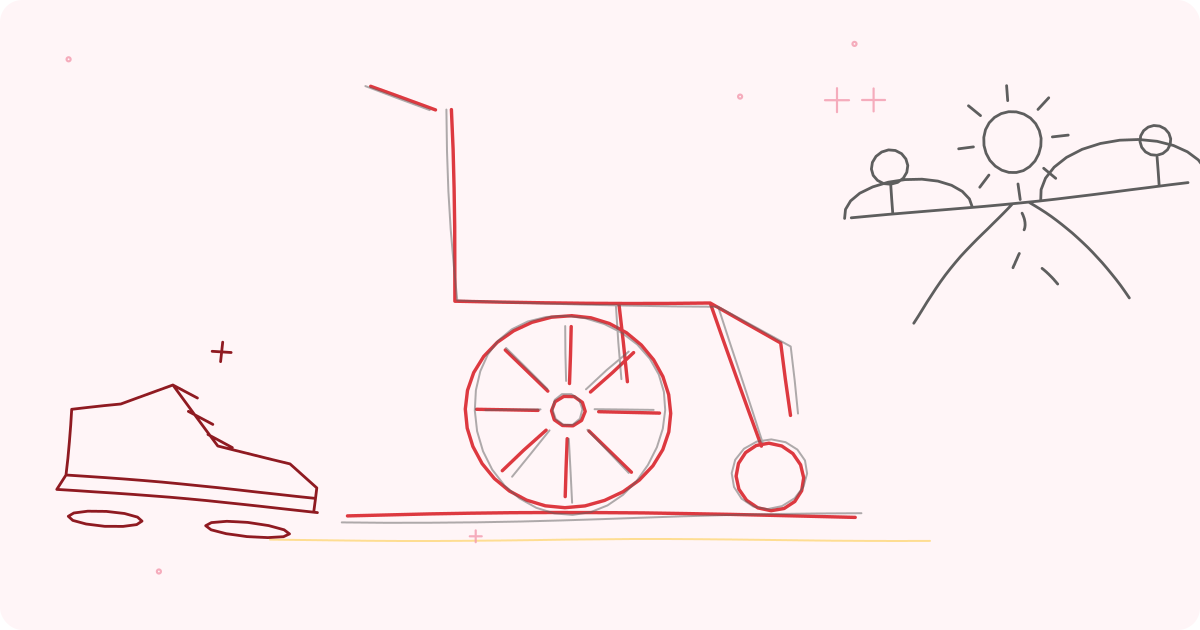
Some people can walk short distances but not a whole market or a hospital corridor. A lightweight transit wheelchair pushed by a helper makes outings and clinic visits easier, and folds into a car boot; see transit wheelchair vs standard wheelchair. A standard wheelchair with a firm cushion suits someone who sits for longer; measure seat width and depth before buying; see wheelchair buying guide india, wheelchair seat width and measurements and cushions for wheelchair users. Powered options exist but need space, charging and training; see powered wheelchair guide. Helpers should learn to push and handle kerbs safely; see pushing a wheelchair safely and wheelchair and car travel. For skin protection during long sitting, see pressure care in a wheelchair.
Footwear and clothing
An aid cannot make up for poor shoes. Choose closed shoes with a firm heel counter, a flat grippy sole and fastenings the person can manage; avoid loose slippers on tiled floors; see choosing shoes for older feet and walking aids and footwear. In winter, thick socks can reduce grip inside shoes, so check fit. Avoid trailing clothes that catch on handles.
Stairs, entrances and balconies
Houses and flats in the city often have a few steps at the entrance, internal stairs and balconies. An aid that is fine on the lake promenade may not be safe at home.
- Stairs: handrails on both sides; step up with the stronger leg and down with the weaker one, with the stick going with the weaker leg; see using a walking stick on stairs and slopes and stairs, steps and thresholds.
- Thresholds: a small portable ramp or a beveled threshold makes entry easier for a rollator or wheelchair; see portable ramps for thresholds.
- Storage: keep a second aid on the upper floor if the person uses stairs, so that nothing has to be carried.
Check, maintain and review
Look at the aid monthly: tips and wheel treads, brakes, folding catches, screws, handle grips and height settings. Replace worn parts, and do not use a damaged aid. Review the choice with the physiotherapist after any fall, illness or change in strength; the right aid today may not be right in six months; see when to move from stick to walker. Encourage safe daily activity, because avoiding walking weakens muscles; see chair exercises for seniors and balance exercises for seniors.
When to ask a professional
Ask a physiotherapist to assess gait and balance and to fit and train your parent on any aid. Ask the doctor about dizziness, pain, vision and medicines that affect balance; see falls risk assessment at home. An occupational therapist can assess the home. For senior citizens' information and support, Elderline 14567 is a helpline; check current availability. In an emergency, such as a fall with head injury or suspected fracture, call 112.
Equipment mentioned in this guide
Frequently asked questions
Is a rollator better than a stick for walking at Sukhna Lake?
It depends. A rollator with a seat helps people who tire or feel unsteady on a long promenade; a stick suffices for those who need a little balance. Ask a physiotherapist.
Can my father use a rollator on the stairs?
No. Rollators are for level ground and gentle ramps. Use handrails and a stick on stairs, with supervision if needed.
How often should the rubber tip be changed?
When the tread is worn or cracked, and check it before the monsoon.
Should we buy or rent a wheelchair?
If the need is short, such as after surgery, renting may suit; for long-term use, buying and fitting properly is better. See the buying and renting guide.
Sources and further reading
- NICE guideline NG249, Falls: assessment and prevention in older people and in people 50 and over at higher risk
- World Health Organization, Guidelines on the provision of manual wheelchairs in less-resourced settings
- Indian Association of Physiotherapists, public information on walking aids and falls prevention
- Chartered Society of Physiotherapy, public information on walking aids
Tags: Chandigarhwalking aidsrollatorwalking stickmobilitywheelchairGear for your cityAdjustable walking stickMobility and walking aidsHealthy ageing
This article is for general education and is not medical advice. Speak to your doctor before changing your exercise, diet or medicines.