Why light matters for older eyes
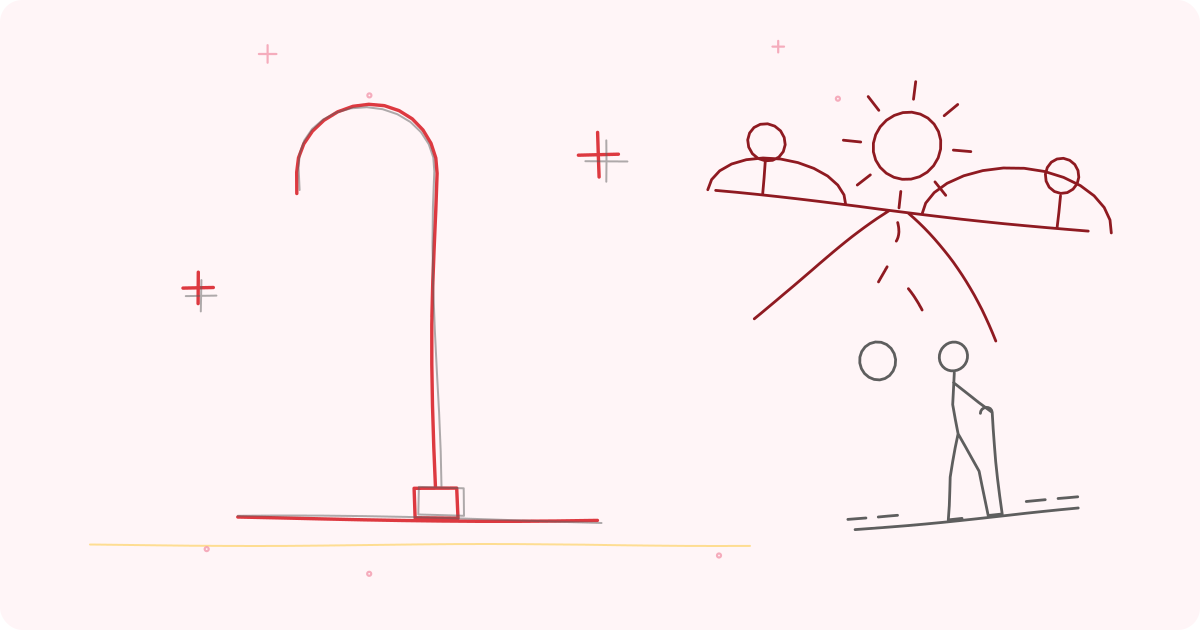
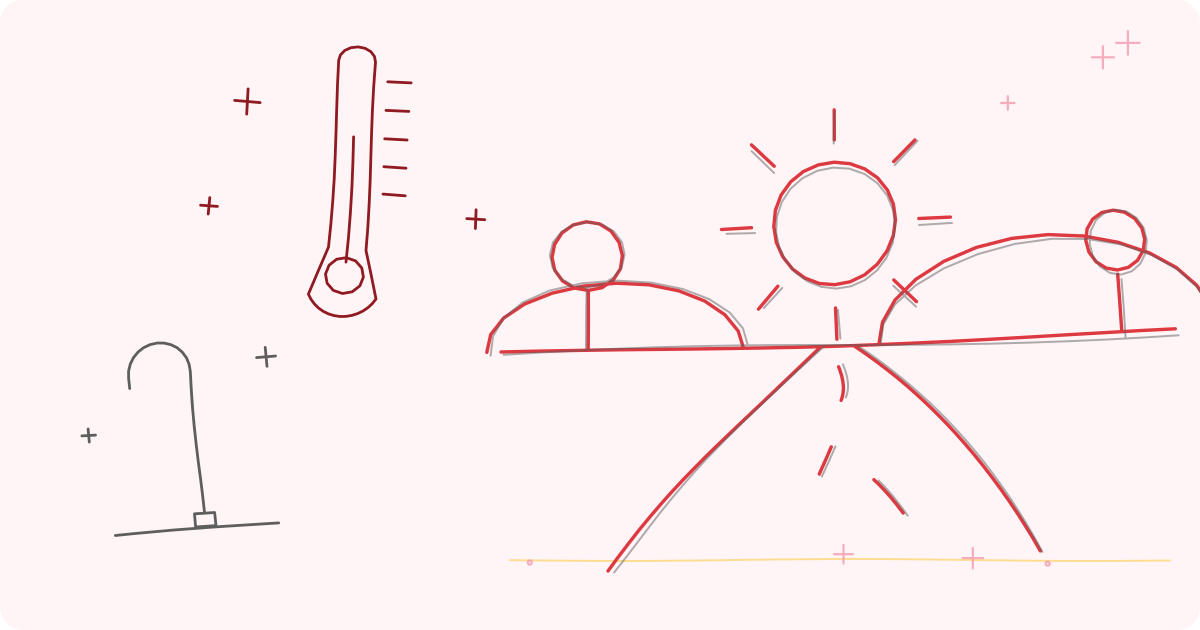
The older eye needs more light. By 60, the pupil lets in less, the lens is cloudier and glare bothers more. Studies suggest a 60-year-old needs two to three times more light than a 20-year-old to see the same detail. Contrast sensitivity drops, so edges of steps and kerbs are harder to see in dim light. Cataracts, glaucoma and macular degeneration add to the problem; see lighting for older eyes and cataract and daily life.
In practical terms, poor light means more tripping. Falls at dusk, in unlit lanes and during night-time toilet trips are common. Good light is one of the cheapest fall-prevention tools there is.
What a torch stick is
A torch stick is an ordinary adjustable walking stick with a bright white LED set into the handle or just below it. A switch, usually a button or a slide on the handle, turns it on. The light is angled down and forward, so it lights the ground about one to two metres ahead. Power comes from AAA or AA batteries in the handle, or a small rechargeable battery.
Some models have extras: a red or flashing rear light for visibility to traffic, a reflective strip, a wrist strap or a hook.
Who it suits
- Evening and early-morning walkers, especially in winter when it is dark before 6 pm or at dawn.
- People who take the stick on night-time toilet trips and need light for the route.
- Those who walk on poorly lit lanes, campuses or colonies.
- People who have mild unsteadiness and use a stick already.
- Anyone who finds a handheld torch awkward, because the stick needs one hand and the torch another.
It suits those who can see the light's pool on the ground and who are steady with a stick. It is less helpful for someone with severe vision loss, where lighting of the whole area, high-contrast markings or a different aid is needed.
What to check when buying
Brightness. A single small LED may be bright enough for a few metres on a dark path, but a very dim one is useless. Ask for the output in lumens, and try it in a dark room: the light should clearly show the floor two metres ahead without dazzling the user. Avoid very harsh, narrow beams which create glare and tunnel vision.
Beam angle. The beam should point down and forward, lighting the ground, not the eyes of oncoming people or the user.
Switch. Easy for arthritic fingers to press, with a clear feel, and positioned so the hand does not press it by accident. A switch that can be turned on and off while holding the stick is best.
Batteries. Check the type, the life (hours of use), how easy they are to change and whether the cover is secure. Rechargeable models should have a clear charge indicator. Keep spare batteries at home.
Build quality. The torch should be sealed against splashes, because of rain and sweat. Check the stick's weight rating, locking button and height range, as for any stick; see how to choose a walking stick.
Handle shape. A comfortable offset or contoured handle; see walking stick handles compared. A bulky torch can make the grip thick, which may help arthritic hands.
Weight. The batteries and LED add weight. A heavy stick tires the arm.
Tip. A wide non-slip rubber tip; see rubber tips for walking sticks.
Using the torch stick
- Test before you go out, switching it on and checking the beam and the battery.
- Aim the beam by holding the stick at its normal walking angle, so the light falls ahead of the tip.
- Look where the light falls, and scan ahead for steps, kerbs and uneven ground.
- Do not rely on it alone in very dark places, such as unlit lanes or fields.
- Wear reflective clothing or add a reflective strip, so that vehicles see you; a torch helps you see, but it does not always make you visible.
- Carry a phone with a torch as a backup.
- Walk with a companion if possible, after dark.
- Turn it off when not needed, to save the batteries.
On stairs and slopes, the usual rules apply; see using a walking stick on stairs and slopes.
Night-time trips at home
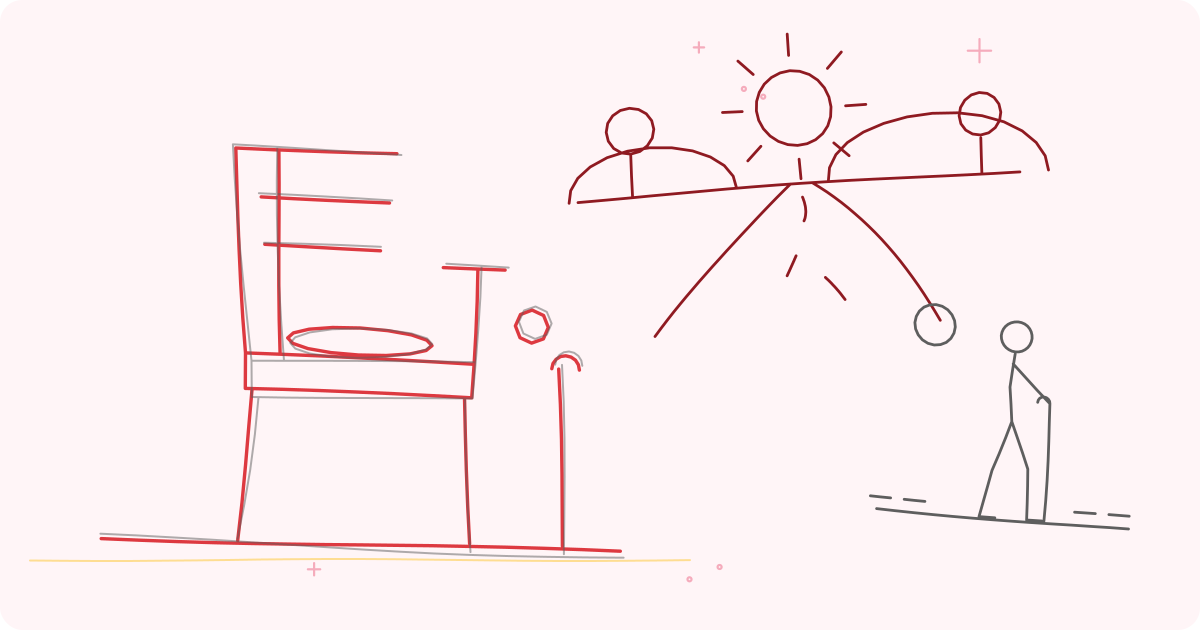
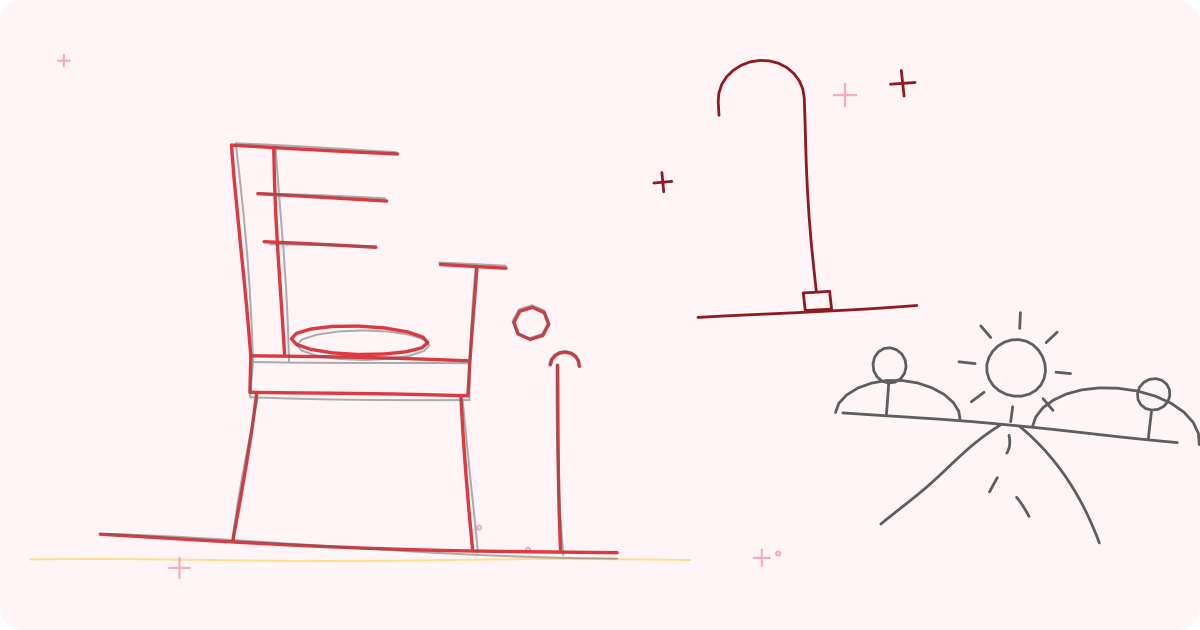
For many older people, the most dangerous walk of the day is the trip to the toilet at night. They wake drowsy, perhaps dizzy, in the dark, and walk in the dark. A torch stick helps, but better solutions exist.
- Motion-sensor night lights in the bedroom, corridor and bathroom, switching on automatically as you move; see motion-sensor night lights for seniors.
- A bedside lamp that is easy to switch on, or a touch lamp.
- Clear floors. Remove rugs, cables and shoes.
- A bedside commode or urinal, to avoid the trip, for those who are unsteady; see night-time toilet trips and falls and bedside commode and urinal routines.
- A stick within reach at the bedside, perhaps on a hook.
- Sit on the bed edge for a minute before standing, to avoid dizziness.
- Reduce night-time fluids in the evening, if the doctor agrees.
See night safety for a parent who lives alone and bedroom setup for night-time safety.
Limits of the torch stick
- A small light cannot replace lighting. It lights a patch of ground, not the whole route, not stairs from the top and not the doorway ahead.
- Batteries run out, often when needed. Check regularly.
- It does not warn drivers unless it has a rear or flashing light.
- It adds weight and cost.
- It cannot fix unsteadiness. If your parent is falling, more support is needed; see stick or walker: which one does your parent need.
Safety tips for dusk walks
- Walk before dark if possible, and choose well-lit, familiar routes.
- Wear bright or reflective clothing.
- Tell someone where you are going.
- Carry a phone and an alert device; see panic pendants and personal alarms.
- Avoid slippery leaves, puddles and rough ground.
- Take care at crossings.
- Wear good shoes; see walking aids and footwear.
Care and maintenance
Replace batteries at the first sign of dimming, using the right type. Remove batteries if the stick will not be used for months, to prevent leakage. Wipe the stick and keep the contacts clean and dry. Check the switch and the seal. In the monsoon, dry the stick after use. Replace the tip when worn.
When to ask a professional
See an eye specialist if your parent has trouble seeing in dim light, glare or loss of vision; poor night vision can be a sign of cataract, glaucoma or other conditions. Ask a physiotherapist about walking aids if your parent has fallen or feels unsteady. A home safety check can improve lighting; see falls risk assessment you can do at home.
Equipment mentioned in this guide
Frequently asked questions
Is a walking stick with a torch useful?
For evening and early-morning walks and short night trips it can help, because the light travels with you. It does not replace proper home lighting or good vision care.
How bright should the torch be?
Bright enough to show the floor two metres ahead in a dark room without glare. Test it before you buy.
What batteries do torch sticks use?
Most use AAA or AA batteries, and some have rechargeable batteries. Check the type and keep spares.
Does the light make me visible to traffic?
Not necessarily. Choose a model with a rear or flashing light, add reflective strips and wear bright clothing.
What is better for night-time toilet trips?
Motion-sensor night lights, a clear floor and a bedside commode or urinal for those who are unsteady. A torch stick can be an extra.
Sources and further reading
- NICE guideline NG249, Falls: prevention, assessment and management in older adults and adults at higher risk
- World Health Organization, WHO global report on falls prevention in older age (2007)
- Royal National Institute of Blind People (UK), guidance on lighting for people with sight loss
- Chartered Society of Physiotherapy, patient information on walking aids
Tags: walking stick with torchcane with lightnight walking safetyevening walks seniorsLED walking stickfalls preventionWalking and mobility aidsWalking stick with built-in torchMobility and walking aidsBathroom and toilet safety
This article is for general education and is not medical advice. Speak to your doctor before changing your exercise, diet or medicines.