Follow the treating team first
Every fracture is different: the bone, the pattern of the break, whether surgery was done, the person's bone quality, other illnesses and goals. The surgeon, orthopaedic team, physiotherapist and nurse decide the type of support, how long to use it, when to remove it, how much weight can be borne and what exercises to do. This guide is general information. If anything here differs from the team's instructions, follow the team and ask them.
Before leaving hospital, ask:
- What type of support is it, and why?
- When must it be worn: all the time, only when up, at night?
- Can it be removed for washing, and how?
- How much weight can go through the limb: none, partial, as comfortable, full?
- What movements are forbidden?
- Which exercises should be done?
- What signs mean come back?
- When is the next appointment and X-ray?
- Who do we call after hours?
Write down the answers, or ask for them in writing. See hip fracture recovery at home and rehabilitation after fracture or surgery: physio plan.
Common supports
Plaster cast or fibreglass cast. A rigid shell that holds the bones in position while they heal. Applied by the hospital team and removed by them. Do not cut, trim or remove it yourself.
Splint or slab. A half-cast, open on one side, often used first while swelling settles, held with a bandage. May later be replaced by a cast.
Sling. A fabric support for the arm after a shoulder, upper arm or collarbone fracture, or sometimes the wrist. It holds the arm close to the body, taking weight off the shoulder.
Collar and cuff, and body-hugging slings, used for specific upper arm fractures.
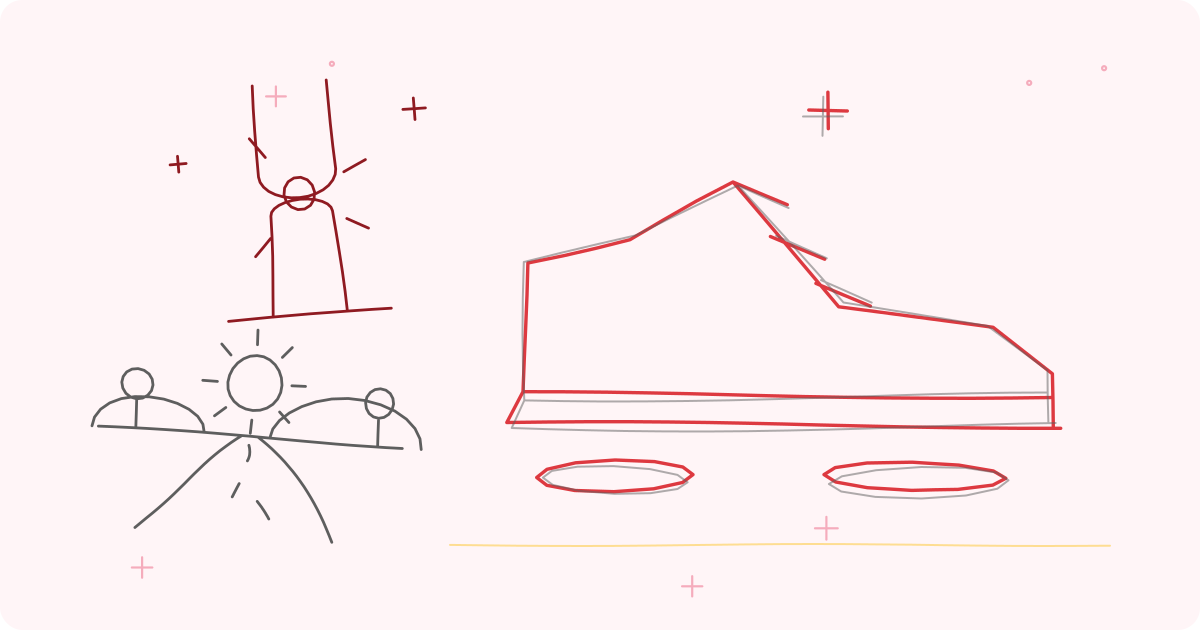
Walking boot or cast boot. A removable rigid boot for the ankle or foot fractures, sometimes used with crutches or a walker.
Wrist splint. A removable splint for some wrist fractures; see wrist supports.
Hinged knee brace. After some knee fractures or surgery; see hinged knee braces.
Spinal brace (TLSO or similar). A rigid or semi-rigid brace for vertebral fractures, to limit bending and twisting while the bone heals. Prescribed and fitted by a specialist; do not buy a belt in its place; see back belts and lumbar supports.
Cervical collar. For neck fractures or after neck surgery; see cervical collars and neck pain.
Pelvic or hip supports. After hip fracture surgery, usually no brace is used, but the team may give movement precautions; see bathroom setup after hip replacement.
Walking aids. Crutches, frames and sticks, essential for protecting weight-bearing; see walking frame after hip or knee surgery, walking aids for osteoporosis and walking frame buying guide.
Wearing the support correctly
- Wear it exactly as instructed. Do not take it off "for a bit" unless the team has said you may. Early removal risks displacement and delayed healing.
- Fit. It should be snug and supportive, not painfully tight. Do not loosen straps for comfort or tighten them more than instructed. If it feels wrong, call the team.
- Do not adjust, bend, trim or add padding to rigid braces without advice.
- Position: follow instructions for sling height (the hand should usually be slightly higher than the elbow, with the wrist supported), brace placement and boot alignment.
- Footwear: if using a walking boot, wear an even-height shoe on the other foot to avoid imbalance, if advised.
- Clothing: wear loose, front-opening clothes over a sling or brace; see dressing aid guide.
- Keep dry if it is a cast or if the instructions say so. For bathing, use a waterproof cast cover or a plastic bag sealed at the top, and sponge-wash as advised; see bathing safely with a shower chair and bed bath step by step.
- Do not push things inside a cast to scratch an itch; this can damage the skin and cause infection. Blow cool air from a hairdryer on a cool setting, or ask the team for advice.
Skin and circulation checks
Casts, splints and braces can cause pressure sores and impair circulation, especially in older people with thin skin, swelling or reduced sensation.
Check each day:
- The skin around the edges for redness, rubbing, blisters or sores.
- The fingers or toes beyond a cast or splint: colour (pink is normal), warmth, ability to wiggle, feeling, swelling.
- Smell or drainage from under a cast, which suggests infection.
- Tightness: a cast that suddenly feels tighter may mean swelling.
- Bony points: heel, elbow, collarbone, spine, hip and tailbone are at risk, particularly in people who are in bed; see preventing bedsores at home.
Elevate the limb above heart level when resting, if advised, to control swelling. For legs, use pillows under the calf, not just under the knee; see leg elevation pillow guide. Move the free fingers or toes regularly, as instructed, to maintain circulation.
If fingers or toes are cold, pale, blue, numb, tingling, very swollen or painful, or the pain is severe and not controlled with the prescribed medicines, seek urgent help. Do not wait. This can signal compartment syndrome or blocked circulation, which is an emergency.
Hygiene and comfort
- Keep the cast or brace clean and dry, wipe the skin around the edges with a damp cloth, and keep dust and crumbs out.
- Wash and dry the skin under a removable brace each day, if you are allowed to remove it, and check the skin. Wear a clean cotton layer underneath.
- Do not apply creams, powders or oils under a cast or brace unless instructed.
- Keep sweat down. In hot, humid weather, sweat under a brace causes rashes; keep the room cool, and wear a breathable layer; see keeping a bedridden parent cool in Indian summers.
- Itching: do not insert objects; tell the team.
- Pain: take pain relief only as prescribed. Older adults are at risk from some common painkillers; see painkillers and older adults. Ask the team before adding any other medicine.
- Swelling: elevate, move free joints and ask the team.
- Cast damage: if a cast cracks, gets soft, wet or smelly, call the team.
Moving safely and preventing falls
A second fall is a real danger.
- Use the walking aid prescribed, with correct height and technique, and follow weight-bearing rules; see how to use a walking frame correctly.
- Footwear: firm, non-slip, with a back; see choosing shoes for older feet.
- Home safety: clear floors, remove loose rugs, add lighting, grab bars and a raised toilet seat; see falls risk assessment at home and bathroom safety checklist.
- Bed and chair height: use a firm chair with arms and a bed at a height where feet are flat; see bed height and getting out of bed.
- Transfers: learn safe methods from the therapist; see bed transfer techniques and how to lift and transfer safely.
- Night: night lights and a commode if needed; see bedroom setup for night safety.
- Ask for help with stairs, bathing and uneven ground; see stairs, steps and thresholds.
- Avoid slippery floors, wet marble and rushing.
- Alert system: think about a way to call for help; see panic pendant buying guide.
- If a fall occurs, see what to do after a fall.
Keeping other joints and muscles moving
Immobilising one part can stiffen others, and muscles waste quickly. Move the joints that are not in the cast as the team advises, do the prescribed exercises even in bed, sit out of bed and stand as soon as allowed, breathe deeply and cough regularly, eat protein and drink fluids (see how much protein do seniors need and calcium and vitamin D guide), avoid smoking and follow advice on clot prevention.
Preventing the next fracture
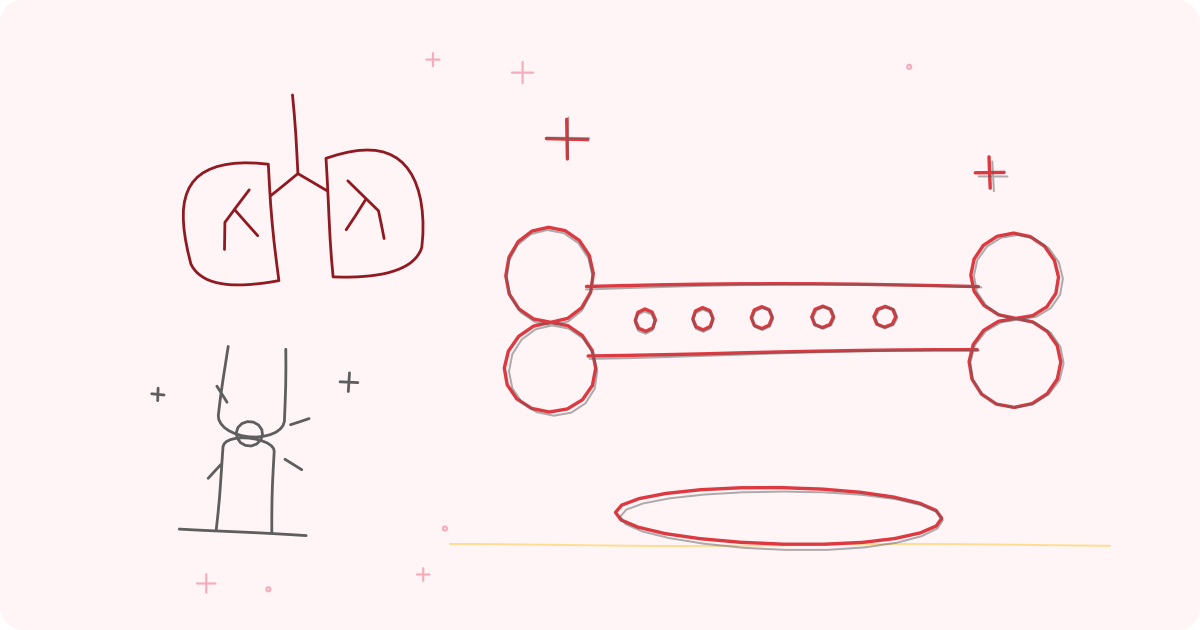
A fragility fracture is a signal. Ask the doctor about bone health:
- Bone density scan and blood tests, where indicated.
- Treatment for osteoporosis, with medicines if recommended; see osteoporosis home care guide and osteoporosis medicines and supplements.
- Vitamin D and calcium as advised; see vitamin D deficiency in India.
- Exercise for bone and balance, with safe movements; see exercise for osteoporosis and balance exercises for seniors.
- Falls prevention: vision, medicines, footwear and home hazards.
- Hearing and vision checks; see hearing and vision checkup schedule.
Warning signs: seek help
Contact the treating team or go to hospital for:
- cold, pale, blue, numb or very swollen fingers or toes;
- severe or increasing pain not eased by the prescribed medicine;
- a cast that is too tight, cracked, wet or smelly;
- skin that is red, broken, blistered or oozing;
- fever, chills, feeling very unwell;
- pain, swelling or redness in the calf, sudden breathlessness or chest pain (possible clot: emergency);
- new confusion, especially after surgery;
- a fall or knock to the injured limb;
- a limb that looks deformed or shorter, or a brace that has slipped;
- inability to pass urine or constipation for several days.
When to ask a professional
Contact your orthopaedic team or surgeon for any problem with the cast, brace or healing. A physiotherapist can teach safe movement, walking aids and exercises. An occupational therapist can advise on daily tasks and equipment at home. A nurse can advise on skin and wound care. A doctor can assess bone health and medicines. A dietician can help with nutrition.
Equipment mentioned in this guide
Frequently asked questions
Can I take off my father's brace to wash him?
Only if the team has said it is allowed, and in the way they showed. Otherwise sponge wash around it and ask the nurse.
How tight should a sling be?
Snug enough to support the arm with the hand slightly above the elbow, but not so tight that it digs into the neck or causes numbness. Ask the team to adjust it.
Is it normal for the toes to swell in a cast?
Some swelling is common, controlled by raising the leg and moving the toes. Cold, pale, blue or numb toes or severe pain need urgent medical help.
Can I buy a brace from the chemist instead of the one the hospital gave?
No. Different braces control movement differently, and the wrong one may allow harmful movement. Use the one prescribed, and ask the team before changing.
Sources and further reading
- NICE guideline NG124, Hip fracture: management
- NICE guideline NG249, Falls: prevention, assessment and management in older adults and adults at higher risk
- American Academy of Orthopaedic Surgeons, OrthoInfo patient information on fractures, casts and splints
- Royal Osteoporosis Society (UK), information on fragility fractures and recovery
Tags: fracture braceslingwalking bootcast caresplint after fracturefracture recovery elderlyJoint and pain supportWrist and thumb supportMobility and walking aidsHealthy ageing
This article is for general education and is not medical advice. Speak to your doctor before changing your exercise, diet or medicines.