What balance really involves
Staying upright depends on several systems working together: the eyes, the balance organs in the inner ear, the sensation of pressure and position from the feet, ankles and joints, and the muscles and brain that coordinate responses. With age, nerves slow, vision and hearing change, feeling in the feet may fade (for example in diabetes or neuropathy; see neuropathy and balance), muscles weaken and medicines may cause dizziness. Balance can be improved with practice: guidelines on preventing falls recommend balance and strength training for older adults at risk, ideally through a programme led by a trained professional, and for several hours in total over time. See balance exercises for seniors and falls risk assessment at home.
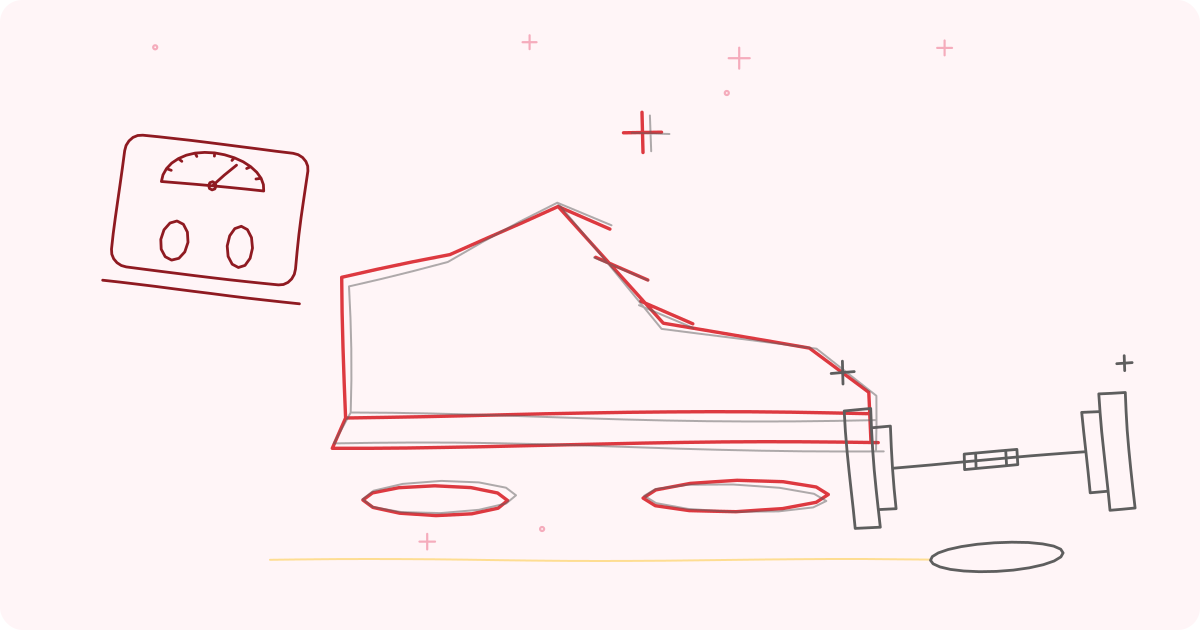
A foam pad changes the surface under the feet. It reduces the clear feedback from the floor, so the body relies more on the ankle and hip muscles and the eyes. That is the point. It is also the risk.
Who may benefit
A balance pad may be suitable for people who:
- are steady on a firm floor and can already do basic standing balance exercises, such as standing on one leg beside a counter for a few seconds;
- have been assessed by a physiotherapist or doctor, who has said such training is suitable;
- want to progress from simple balance work, perhaps after finishing a programme;
- have mild ankle weakness or past sprains and are cleared to practise.
Who should not use one, or should only use one under supervision
- People with frequent falls, severe dizziness, vertigo or fainting. Ask a doctor first; see vertigo, BPPV and balance.
- Those with severe neuropathy and numb feet, who cannot feel the pad.
- People with severe osteoporosis or recent fractures, where a fall could cause serious injury; see exercise for osteoporosis.
- Those with severe arthritis, painful joints, or recent joint replacement or other surgery, unless their surgeon and physiotherapist agree.
- People with Parkinson's disease, stroke with weakness or other neurological conditions unless advised by a therapist; see exercise for Parkinson's disease and exercise after a stroke at home.
- People with heart disease, uncontrolled blood pressure or low blood pressure on standing, until a doctor says it is fine; see exercise with heart disease.
- Those with poor eyesight, or hearing problems that affect balance.
- People with dementia who may not follow safety instructions.
- Those who are alone without a way to call for help.
- Anyone who finds standing on firm ground difficult.
If you have any doubt, do not start. Ask a physiotherapist to test your balance and choose suitable exercises.
Choosing a pad
- Size: about 40 by 50 cm up to a larger rectangle. A larger pad is more stable and less intimidating than a small one.
- Thickness and firmness: thicker, softer pads are more unstable. For older adults, a firmer, medium-thickness pad (about 4 to 6 cm) is usually a safer starting point. Very thick, soft pads are for advanced users.
- Surface: a non-slip top and a non-slip base, so that the pad does not slide on marble or tile. Many pads slide; test on your floor, or use a non-slip mat or underlay beneath.
- Material: closed-cell foam that rebounds, not too soft. Check it does not crumble, smell strongly or become sticky in heat. Latex-free if allergic.
- Edges: rounded edges and no raised lip that might cause tripping.
- Weight limit: check it exceeds the user's weight.
- Quality and support: buy from a reputable seller; see spotting fake or poor quality care products and equipment returns, warranty and servicing.
- Alternatives: a folded thick towel, a firm cushion or a folded yoga mat can serve as an easy first step, with close supervision. A wobble board or a half-ball is much more challenging and not for beginners.
Safe set-up
1. Place the pad beside a firm, sturdy support: a kitchen counter, a window ledge or a wall bar at about hip height, that you can hold with both hands. A sturdy chair with arms behind you is a second option. A table that can move is not safe. 2. Put a non-slip mat under the pad if it slides. 3. Stand with the support within easy reach, and a chair behind you. 4. Clear the area of rugs, wires and furniture. Good light. 5. Wear non-slip footwear or go barefoot, as your physiotherapist advises; thick soft soles reduce feedback and may be unstable. Avoid socks on a slippery pad. 6. Have a helper close, at least for the first sessions, standing beside or slightly behind you, ready to steady you. 7. A phone or alarm should be nearby; see panic pendant buying guide. 8. Exercise when alert and not tired, after a warm-up, not after a heavy meal or with sedating medicines. See exercise at home for seniors: a safe starter guide. 9. Never practise when dizzy, unwell, in the dark or in a hurry.
A gradual progression, in words
This is a general sequence of ideas, not a prescription. Work through it only with a professional's agreement, spending as long on each stage as needed, and go back if any step feels unsafe.
Stage 0: firm floor first. Be comfortable standing with feet together, then in a staggered stance, then on one leg for several seconds beside a counter with light touch, before using a pad. See balance exercises for seniors.
Stage 1: standing on the pad, hands on support. Step on to the pad with the support in front, hold with both hands, feet hip-width apart. Stand quietly for 10 to 20 seconds. Step off. Repeat three to five times.
Stage 2: fingertips only. Reduce support to one hand, then a few fingertips, keeping the hand close to the counter.
Stage 3: weight shifts. With light support, slowly shift weight from side to side, then forward and back, a small distance.
Stage 4: feet closer or staggered. Bring the feet closer, or place one foot slightly in front of the other, with support nearby.
Stage 5: eyes and head movements, in a safe set-up. Close the eyes only with a helper and good support, if the physiotherapist agrees. Turning the head slowly may affect dizziness; stop if dizzy.
Stage 6: marching or single-leg stands on the pad, with a hand on the support. These are advanced; many older adults do not need them.
Each session can be a few minutes, two or three times a week, after a warm-up. Rest between efforts. Progress only when the earlier stage is easy and safe for a week or two. Do not hurry.
Stop if
Step off, hold on and sit down if you feel:
- dizzy, light-headed or faint;
- chest pain, palpitations or breathlessness;
- sudden joint pain, numbness or weakness;
- unsteady in a way that the support cannot control;
- anxious or panicky.
Call 112 for chest pain, fainting, stroke signs or a fall with injury; see what to do after a fall.
Cautions
- The pad is a trip hazard when not in use. Store it away, standing up against a wall or in a cupboard.
- Do not use on stairs, uneven floors or slippery surfaces.
- Do not stack pads or add other unstable items.
- Do not combine with weights, bands or fast movements.
- Do not allow children or pets to play nearby.
- Remember hot weather: sweaty feet slip on the pad; keep the area cool and dry; see exercising indoors in Indian summer and monsoon.
- Do not rely on a pad as the only balance exercise. Strength work, walking and sensible footwear also matter; see chair exercises for seniors, walking programme for older adults and choosing shoes for older feet.
- Keep the home safe for the rest of the day: lighting, clear floors, grab bars; see bathroom safety checklist.
Is it worth it?
For many older adults, the gains from simple, firm-floor balance work, strength training and walking are large, and a foam pad adds little. For some, particularly those who are steady and want a challenge, a pad is a useful step. For others it is an unnecessary risk. The decision should be made with a physiotherapist. If balance is a concern, ask for an assessment; many falls are preventable with the right programme, medicines review, vision check and home changes; see falls risk assessment at home.
When to ask a professional
Ask a physiotherapist to assess balance, decide whether a pad is suitable and teach safe exercises. Ask a doctor if you have dizziness, falls, heart or blood pressure problems, neuropathy or bone disease. An optometrist or eye doctor and an audiologist can check vision and hearing, which affect balance; see hearing and vision checkup schedule. In an emergency, call 112.
Equipment mentioned in this guide
Frequently asked questions
Is a balance pad safe for a 70-year-old?
It can be for someone who is already steady, has no dizziness or conditions that make falls dangerous, uses a counter for support and has been assessed by a physiotherapist. Others should start on a firm floor.
Where should I put the pad?
Beside a sturdy counter or support you can hold with both hands, on a non-slip mat, with a chair behind you and the floor clear.
How long should I stand on it?
Begin with 10 to 20 seconds, a few times, with both hands on the support, and progress gradually only if it feels easy. A few minutes per session is enough.
Can balance pads prevent falls?
Balance training can reduce fall risk when part of a programme with strength work, but a pad itself does not promise protection. A physiotherapist can advise what works for you.
Sources and further reading
- NICE guideline NG249, Falls: prevention, assessment and management in older adults and adults at higher risk
- World Health Organization, Guidelines on physical activity and sedentary behaviour (2020)
- Centers for Disease Control and Prevention, STEADI initiative: materials on balance exercises and fall prevention
- American College of Sports Medicine, Exercise and Physical Activity for Older Adults (position stand)
Tags: balance padfoam pad balancebalance training elderlyfall prevention exercisestability padproprioceptionGentle exercise at homeBalance cushionMobility and walking aidsBathroom and toilet safety
This article is for general education and is not medical advice. Speak to your doctor before changing your exercise, diet or medicines.