What dementia changes about sleeping and beds
- Misjudging depth and height. A person may think the floor is closer or further than it is, or may not see the edge of the bed.
- Disorientation at night. Waking in the dark, a person may not know where they are, and may get up to look for the toilet, a family member or "go home". See dementia sundowning.
- Restlessness and agitation, sometimes triggered by pain, hunger, a full bladder, noise, light or infection.
- Reduced awareness of risk, so they may climb over rails, try to stand when weak or leave the bed unaided.
- Changed sleep pattern, with long daytime naps and wakefulness at night.
- Fear of being confined, which can make rails and enclosed beds distressing.
- Incontinence, which makes toileting more urgent.
- Weakness and mobility changes, which raise the risk of falling when they stand.
- Later stages: reduced mobility, swallowing difficulty and the need for turning, bringing the same needs as other bedbound patients; see positioning a bedridden parent.
The best choice depends on the stage and the person. Ask a doctor, occupational therapist or dementia specialist to advise. See also dementia stages and what each needs and dementia home setup.
Option 1: a standard bed that works well
In the early stage, most people do not need a special bed. A familiar bed, in a familiar room, is usually best. Keep it simple:
- Bed at a good height, with a firm edge; see bed height and getting out of bed.
- Clear floor, non-slip slippers, good light, and a clear path to the toilet; see bedroom setup for night safety.
- A night light along the route.
- A calm room with familiar objects.
Option 2: a low-height bed
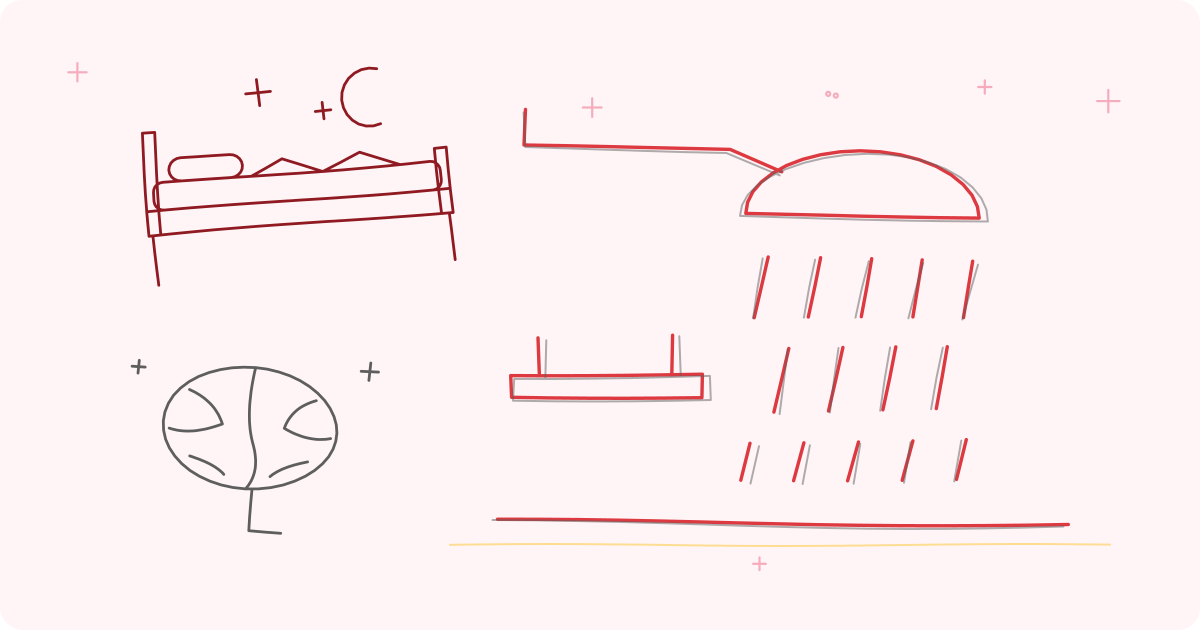
A low bed, sometimes called a floor-level bed or ultra-low bed, lowers close to the floor, typically around 20 to 30 cm at its lowest, and rises for care. It can be an electric hospital bed with a very low minimum height. Advantages:
- A fall from the bed is a short one, reducing injury.
- A person can place their feet on the floor easily.
- There is less reason to use rails.
- It can be raised to a comfortable height for care.
Considerations:
- A very low bed may be hard for a person to stand from if they are weak. Check this with a therapist. Some people who can still stand do better at a normal height.
- A carer needs to raise it to work, then lower it again.
- A fall mat or soft floor is wise beside the bed.
- Cost and availability vary; see hospital bed buying guide and renting or buying a hospital bed.
Option 3: crash mats and floor protection
A soft crash mat beside the bed cushions a fall from a low bed or rolling out. Choose a mat that is thick enough to absorb impact, firm enough that it is not a trip hazard for a person who gets up, and with a non-slip underside. Some are designed to be folded away by day. A person who is likely to stand and walk may trip on the mat, so assess the person's pattern: for a person who rolls out but does not stand, a mat is helpful; for a person who steps out, remove it when not needed or choose a flat, bevelled mat. Place it on the side they exit. A therapist can advise.
Option 4: sensors and alerts
Technology can alert carers when a person leaves the bed, so that help arrives before a fall.
- Bed or mattress pressure sensors that sound an alert when weight is removed.
- Chair sensors, for those who sit up.
- Motion sensors by the bed or in the room.
- Door sensors on the bedroom or front door; see door sensor guide and wandering and dementia safety.
- Baby monitors, with audio or, with consent and careful privacy considerations, video.
- Wearable alarms and fall detectors; see fall detection watch guide.
Sensors help only if someone is close enough to respond quickly, and if false alarms are manageable. Consider the privacy and dignity of the person; see privacy and dignity with monitoring. A sensor should not replace human contact, and the person may be startled by loud alarms; many alarms can be set to sound in another room only.
Option 5: bed rails: use with great care
Rails may seem the obvious answer, but for dementia they are often the wrong one. A person who is confused may try to climb over them, risking a fall from a greater height, or may get a limb, head or chest trapped in the gaps. Rails can also feel like a cage and increase distress. In many care guidelines, rails are not recommended for confused or restless people unless a specific assessment says they are safe. See bed rails guide for the details of risks and gap checks. Consider alternatives first: low bed, mat, sensor, and a toileting plan. If a doctor or therapist advises rails, such as in a later stage when a person is immobile and cannot climb, check fit, gaps and mattress carefully, use padding that does not create new gaps and review often.
Using any measure to stop a person leaving the bed can be a form of restraint. It should be a considered, documented decision, in the person's best interests, with the least restrictive option and regular review. See dignity and consent in care.
Option 6: electric hospital bed for later stages
In advanced dementia, many people are bedbound and need turning, pressure care, careful feeding and positioning. A hospital bed with adjustable back and knees and variable height, with a pressure-relieving mattress, helps. See setting up a hospital bed at home, air mattresses for pressure sores and preventing bedsores at home. Lock the handset if the person might use it unsafely. Many people at this stage have difficulty swallowing; see dementia eating and weight loss and aspiration pneumonia prevention.
Set up the room for calm
- Familiarity. Keep the bed in the same place, with familiar bedding, photographs and objects.
- Light. A soft night light, so the person recognises the room; avoid shadows. Close curtains to avoid reflections that look like people.
- Noise. Keep it quiet and avoid sudden loud sounds. A steady fan or soft music can help.
- Temperature. Comfortable, not hot or cold.
- Colour and contrast. A bedspread that contrasts with the floor so the bed edge is visible.
- Clock and calendar. A large clock may help orientation; see orientation aids for memory loss.
- Toilet access. A visible, lit route or a commode; see night toileting from the bed and dementia-friendly bathroom.
- Mirror. Cover or remove mirrors that cause distress.
- Pets and clutter. Remove trip hazards.
- Safe items. Keep medicines, sharp items and cleaning agents out of reach.
- Comfort objects. A soft blanket, a doll or a familiar cushion; see comfort for dementia: cushions and sensory aids.
Routines that reduce risk
- A regular bedtime routine, such as a wash, a warm drink, a quiet song or prayer.
- Toilet before bed and a plan for the night; see bladder training and timed toileting.
- Daytime activity and daylight, to improve night sleep; see dementia daily routines.
- Limit caffeine and large evening meals.
- Check for pain, constipation, hunger, infection and other causes of restlessness.
- Review medicines. Some medicines cause restlessness or sleepiness. Do not give sleeping tablets without a doctor's advice. See dementia and medicines at home.
- A carer close by, with a plan for night duty; see night-time caregiving routines.
- If the person wanders, make sure doors are secure, and consider a plan for safe walking; see wandering and dementia safety and bed safety for restless sleepers.
When to ask a professional
Ask a doctor or memory clinic if sleep or night behaviour changes suddenly, if your parent seems newly confused, agitated or in pain, or if falls increase. An occupational therapist can assess the bedroom, bed height, mats and sensors. A nurse can advise on pressure care, continence and positioning. A dementia specialist or helpline can offer practical guidance and support for carers; see caring for a parent with dementia at home and respite care and taking a break. Seek urgent care after a fall with head injury, or sudden change in alertness.
Equipment mentioned in this guide
Frequently asked questions
Are bed rails safe for someone with dementia?
Often not. A confused person may climb over them or become trapped in the gaps. Consider a low bed, floor mat, sensor and toileting routine first, and only use rails on professional advice.
What is a low-height bed?
A bed that lowers close to the floor, often to around 20 to 30 cm, so that a fall from it is short. Many electric models can be raised for care.
Will a bed sensor stop falls?
It does not prevent a person getting up, but it alerts a carer so they can help. It works only if someone can respond quickly, and false alarms must be managed.
Why does my mother get up at night and wander?
Common causes include needing the toilet, pain, hunger, confusion, sundowning or being unable to settle. Look for causes, and ask a doctor to review medicines and health.
Sources and further reading
- NICE guideline NG97, Dementia: assessment, management and support for people living with dementia and their carers
- Alzheimer's Society (UK), guidance on night-time problems and bed safety for people with dementia
- Medicines and Healthcare products Regulatory Agency (UK), guidance on safe use of bed rails
- World Health Organization, Global action plan on the public health response to dementia 2017 to 2025
Tags: dementia bedlow height bedbed sensornight wanderingbed safety dementianursing bed dementiaBeds, mattresses and restAdjustable hospital bedSafety and alert devicesBathroom and toilet safety
This article is for general education and is not medical advice. Speak to your doctor before changing your exercise, diet or medicines.