Decide with the doctor what to measure
Ask: which readings do you want, how often, and what result should make us call? A home health monitoring starter kit lists core devices. Buy only what the doctor can use, learn each device properly and keep them together with large-print instructions in a cool, dry place.
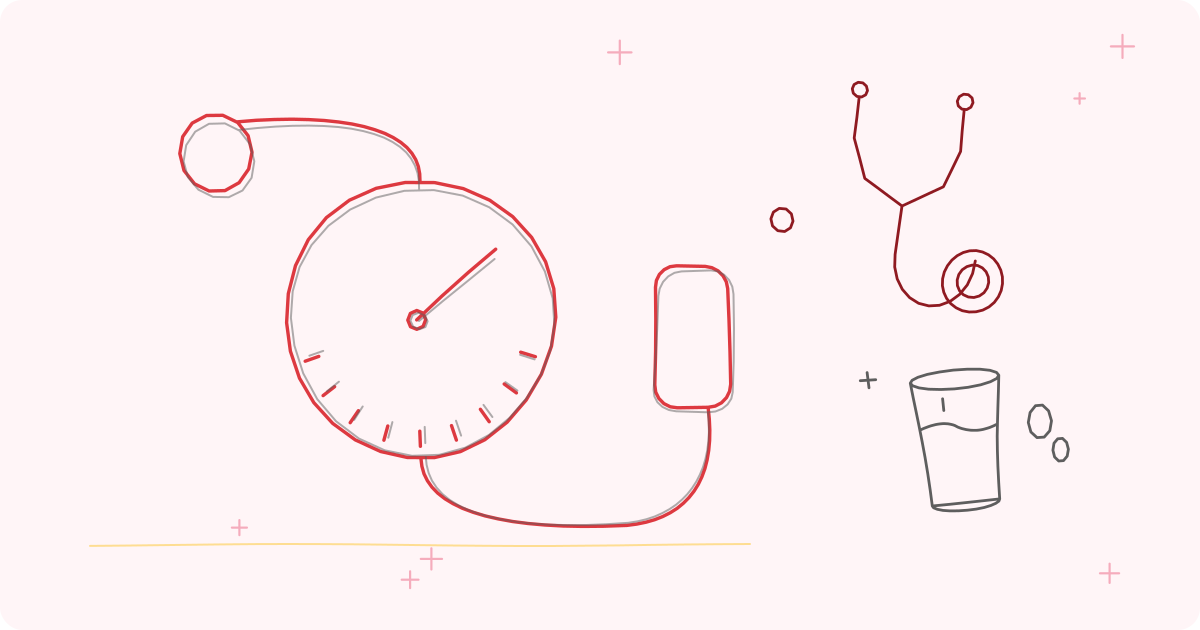
Blood pressure monitor
In a heat wave, dehydration can lower blood pressure and cause dizziness on standing or fainting, particularly with blood pressure medicines or diuretics. At other times readings may be high. A validated upper-arm monitor with a cuff that fits is the most useful single device; see bp monitor buying guide, cuff size and bp accuracy and wrist bp monitor pros and cons. Measure seated, after five minutes' rest, at consistent times, and log each reading; see how to measure blood pressure at home and bp log and what to tell the doctor. If your parent feels faint on standing in hot weather, tell the doctor; see dizziness when standing. Never stop or change a blood pressure medicine because of a reading.
Thermometer, the heat-wave essential
Older adults may have only a small temperature rise with a serious infection, and heat illness can raise body temperature sharply. A digital thermometer tells fever from heat exhaustion and shows change from your parent's usual; see digital thermometer guide and fever in older adults. Heatstroke produces confusion, hot dry skin, a rapid pulse and headache: call 112 immediately and cool the person; see heat stroke and dehydration in seniors. A room thermometer also helps you judge whether the bedroom is safe.
Glucometer for diabetes
Heat, changes in appetite, festival feasts and fasts all change blood sugar. A glucometer with strips and lancets helps follow the doctor's plan; store strips in their tube, in a cool, dry place, since heat spoils them; see glucometer buying guide, how to test blood sugar at home and glucose strips and lancets guide. Talk to the doctor before fasting; see fasting festivals and older adults and fasting and post meal sugar targets. Know low sugar signs; see hypoglycaemia in older adults.
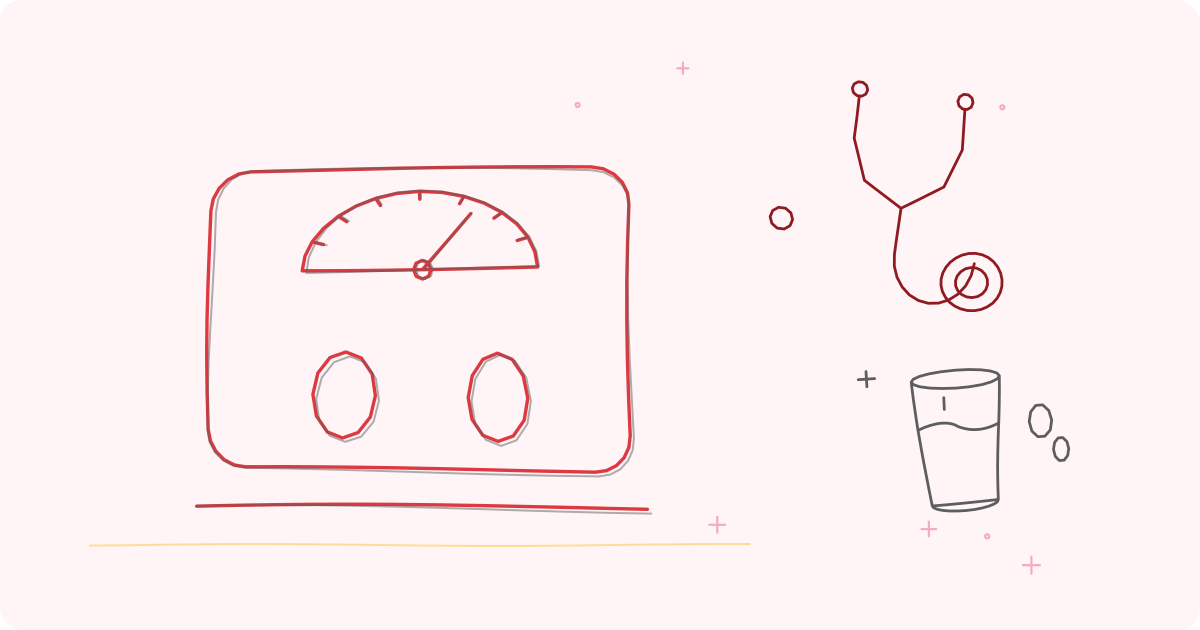
Weighing scale
Weekly weight tracks nutrition and fluid. Poor appetite in hot weather can bring weight loss; a rapid gain over days may signal fluid retention in heart failure; see weighing scale and weight loss in seniors and daily weights in heart failure.
Pulse oximeter, if advised
For people with asthma, COPD or heart failure, dust and fumes in older areas may be a trigger. If the doctor advises, an oximeter shows oxygen saturation and pulse. Cold fingers, movement or poor circulation can give false readings, and a normal number does not rule out a problem; see pulse oximeter guide and pulse oximeter accuracy limits. A low reading with symptoms is an emergency: call 112; see when oxygen saturation is low.
Alert devices and the joint family
In a joint family, someone is often home, but there are hours when an older person is alone: the afternoon, a day of weddings, early morning. A pendant or fall-detection watch covers these gaps; see panic pendant buying guide and fall detection watch guide. Agree who responds; see responding to an alert who does what. A key safe lets a neighbour or paramedic enter; see key safe guide.
A plan through the Ahmedabad year
| Months | Watch | Devices | |---|---|---| | April to June | Dizziness, dehydration, heat illness, low appetite | Blood pressure monitor, thermometer, room thermometer, scale | | July to September | Fever, loose motions, skin and chest infections | Thermometer, glucometer if diabetic | | November to February | Reset, festivals, fasts | Glucometer for fasting plans, compare devices at a clinic | | All year | Falls, being alone | Pendant or watch |
Heat-wave days: a monitoring routine
On very hot days: 1. Take blood pressure and temperature in the morning, afternoon and evening if the doctor advises, resting first. 2. Note fluids taken and urine colour. 3. Weigh if the doctor asks. 4. Look for warning signs: unusual drowsiness, headache, dizziness, confusion, hot dry skin, very little urine. 5. Call the doctor early for repeated low readings with symptoms, and call 112 for confusion with hot dry skin or collapse. 6. Do not stop or change any medicine without the doctor's advice; ask about fluids and doses before the heat arrives.
Keeping devices accurate in the heat
Heat shortens battery life and can damage electronics and strips. Keep devices away from sunny windows and hot cupboards, store them in a cool, dry place, replace cracked cuffs, and compare your blood pressure monitor with a clinic reading once a year; see calibrating and replacing health devices and health device budget and quality in india.
Logging readings so a doctor can use them
Use a notebook beside the chair. Record date, time, reading, symptoms, medicines taken and unusual events such as a hot day, a fast, a wedding or a poor night. Photograph the page for the doctor and for relatives in other cities. For video consultations, have the log ready; see teleconsultation and home readings and managing chronic disease with regular teleconsults. For relatives abroad, see monitoring devices for a parent abroad and privacy and dignity with monitoring.
How often to measure
Too much monitoring causes anxiety. Agree a schedule with the doctor, then relax it when stable, and add checks only for symptoms; see how often to check vitals and normal ranges for older adults.
Common mistakes
- Measuring blood pressure right after coming in from the heat.
- Keeping strips and monitors on a hot shelf.
- Fasting without discussing sugar and medicines with the doctor.
- Assuming that no thirst means no need for fluids.
- Stopping medicines because of a reading.
- Using a cuff that is too small.
When a reading should lead to action
Ask the doctor for written thresholds. Call the doctor the same day for repeated readings outside the agreed range, dizziness, fever, vomiting, very little urine or poor drinking. Call 112 for chest pain, severe breathlessness, fainting, stroke signs, confusion with hot dry skin or collapse; see knowing when to call the doctor and ambulance and emergency numbers in india. Because distances between the old city and the western suburbs can be long, decide in advance which emergency-ready hospital your parent would go to and keep a summary by the door; see emergency contact card and medical summary.
Who measures, and keeping it simple
Place devices and the log together on one tray beside the usual chair, out of the sun. Ask a nurse or pharmacist to watch your parent take one reading, and teach the carer too. If tremor, poor eyesight or memory makes measuring hard, a carer should do it; see monitoring with poor eyesight or tremor and voice bp monitor for low vision. In a joint family, agree one person to write the log so readings do not get lost.
When to ask a professional
Ask the doctor which devices, schedules and thresholds suit your parent. Ask a nurse or pharmacist to watch your parent use each device. Ask for a written heat-wave plan.
Equipment mentioned in this guide
Frequently asked questions
Which devices matter most before an Ahmedabad summer?
A blood pressure monitor and a thermometer, plus a fluids plan agreed with the doctor, and a glucometer for diabetics.
Can we manage readings by video call with the doctor?
For stable follow-up, often yes, with a good log. New or severe symptoms need an in-person visit.
How do we keep strips usable in the heat?
Keep them in the tube, lid shut, in a cool, dry place away from sun.
Is fasting safe for a diabetic parent?
Ask the doctor before fasting; do not change medicines on your own.
Sources and further reading
- European Society of Hypertension, practice guidelines for home blood pressure monitoring
- National Disaster Management Authority, India, guidelines on heat wave
- International Diabetes Federation, guidance on self-monitoring of blood glucose
- World Health Organization, heat and health fact sheet
Tags: Ahmedabadhome monitoringheat waveblood pressurethermometerdiabetesfluidsGear for your cityHealth monitoring devicesHealthy ageing
This article is for general education and is not medical advice. Speak to your doctor before changing your exercise, diet or medicines.