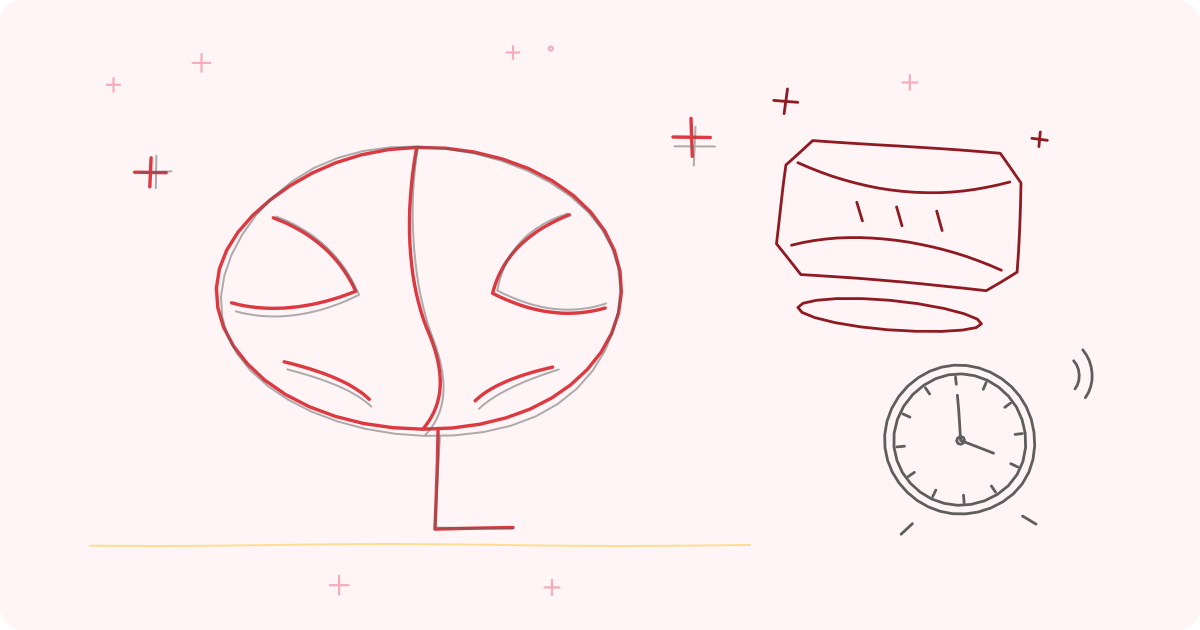
Overview
Apart from memory loss affecting daily activities, one may face troubles with familiar tasks, speech, writing and problem-solving. Disorientation, decreased personal hygiene, changes in mood and personality and withdrawal from friends, family, and community are other symptoms of Alzheimer’s disease.
Alzheimer’s disease causes:
While there is no known cause for Alzheimer’s disease, some research studies have indicated factors that may play an important role in the development of the condition. Alzheimer’s disease causes are many with age being the most significant factor. Genetic factors, environmental factors, such as long-term exposure to some pesticides and paints or certain infections are other Alzheimer’s disease causes.
Lifestyle factors such as a lack of exercise, poor-quality sleep, lack of a nutritious diet, smoking, obesity, diabetes, high blood pressure, insulin resistance, and high cholesterol can also act as Alzheimer’s disease causes. Other risk factors like hearing loss, untreated depression and social isolation also count as Alzheimer’s disease causes.

Alzheimer’s disease treatment:
There’s currently no cure for Alzheimer’s disease but symptoms can be eased and progression can be delayed using medications that do not modify the disease but improve the quality of life. Alzheimer’s disease treatment includes drug therapies including first-line drugs like donepezil and rivastigmine that aid in memory and second-line drugs like antidepressants, anti-anxiety medications and antipsychotics that help reduce symptoms of Alzheimer’s disease.
Additional Alzheimer’s disease treatments include lifestyle changes like exercising regularly, trying cognitive training exercises, eating a plant-based diet, consuming more antioxidants, maintaining an active social life and several alternative options that one can ask their doctor about.
What to do next
- See a doctor early if memory loss, confusion or changes in behaviour affect daily life; some causes, such as thyroid problems, low vitamin B12, depression and medicines, can be treated.
- Ask for a proper assessment by a neurologist, geriatrician or memory clinic.
- Learn about the stages so you know what to expect; see dementia stages and what each needs.
- Keep routines steady, with the same times for meals, sleep and walks; see dementia daily routines.
- Make the home easy to read: clear labels, a large clock, good light; see orientation aids for memory loss.
- Plan for safety: a pill organiser, locked hazards, a plan for wandering; see wandering and dementia safety.
- Sort out legal and money matters early, while your parent can take part.
Living well with the diagnosis
Staying active, socially connected and interested helps. Hearing and vision problems should be treated; see hearing aids and dementia risk. Stay patient, speak simply and avoid arguing; see dementia communication tips.

When to ask a professional
Medicines for Alzheimer's disease can ease symptoms for a time but do not cure it, and they should only be started and changed by a doctor. Our care advisors can arrange assessments, trained attendants and equipment; see caring for a parent with dementia at home.
About our care services
Emoha Elder Care offers comprehensive at-home healthcare, convenience, safety, emergency and engagement services that will help manage Alzheimer’s disease and provide a quality life to your loved one.
Equipment mentioned in this guide
Frequently asked questions
Is memory loss always Alzheimer's disease?
No. Some forgetfulness is part of ageing, and other treatable conditions can look like dementia.
Can Alzheimer's disease be prevented?
Not completely, but exercise, a healthy diet, good sleep, treating blood pressure and diabetes, hearing care and social activity lower risk.
Is there a cure?
No, but medicines and care can ease symptoms and help families cope.
How can families manage the fear?
By learning the facts, planning ahead and getting support for themselves.
Sources and further reading
- World Health Organization, Dementia fact sheet
- Alzheimer's and Related Disorders Society of India, family guidance
- Lancet Commission on dementia prevention, intervention and care (2020 report)
Tags: Alzheimer Disease #Health #SymptomsAlzheimer's diseasedementia carememory lossearly signsConditions and devicesLarge-display talking clockWeekly pill organiser with alarmDaily living aidsSafety and alert devices
This article is for general education and is not medical advice. Speak to your doctor before changing your exercise, diet or medicines.