
Begin with your parent's voice
Before you pick a flat, sit down and listen. Ask open questions and be prepared to hear things you do not like.
- What do you love about your home and neighbourhood? What would you miss most?
- What worries you about living alone, or about moving?
- What would make a move feel good to you? Who and what do you need nearby?
- What are your fears: being a burden, losing independence, loneliness, the climate, food, language, the stairs, the cost?
Do not sell the idea as a rescue. Avoid language like "You cannot manage any more." Present it as an option to explore together. A parent who feels forced may refuse or comply and quietly decline. See talking to parents about ageing and care and managing a parent who refuses help.
Ask whether staying and adding support is possible
A move is a major step, and sometimes a lighter solution works better.
- Make the current home safer and easier, with lighting, grab bars, removing rugs and a ground-floor bedroom; see monthly home safety check.
- Add help: an attendant, a cook, a driver, regular nursing or physiotherapy visits; see hiring a home attendant checklist.
- Build a local network: neighbours, a friendly doctor, a pharmacy that delivers, a religious or senior citizens' group; see volunteers, neighbours and community help.
- Arrange remote supervision and regular visits; see supervising a caregiver from another city and long-distance caregiving for nris.
- Consider assisted living or a senior community in the parent's own city or a nearby one; see choosing an assisted living or care home.
If none of these keep your parent safe, or if the parent's wish is to be near family, a move may be right.

Decide what kind of move
- Living with you, in your home, which needs space, privacy for everyone and clear expectations.
- Living nearby, in a flat in the same building, society or neighbourhood, offering closeness with independence, often the happiest option.
- A senior living community or care home in your city; see when home care is no longer enough.
- A seasonal arrangement, such as staying with you for winter or monsoon months and returning home, which can ease the transition and allow a trial.
Consider climate, altitude, air quality and heat, since a change of city can affect breathing, joints and mood.
Trial first
If you can, try before you commit.
- Short stays, a week or two, then a month or more, with your parent experiencing daily life: the stairs, the bathroom, the neighbourhood, the food, the quiet or noise.
- Do not close the old home or sell property during the trial. Keep it available, and with the legal advice described below, defer irreversible decisions.
- Note what works and what does not, and ask your parent honestly.
- Visit the doctor and local facilities during the trial.
Prepare the new home
- Own space: a room with a window, a door that closes and enough room for a walker or wheelchair if needed. Let them bring familiar furniture, photographs, religious items and bedding.
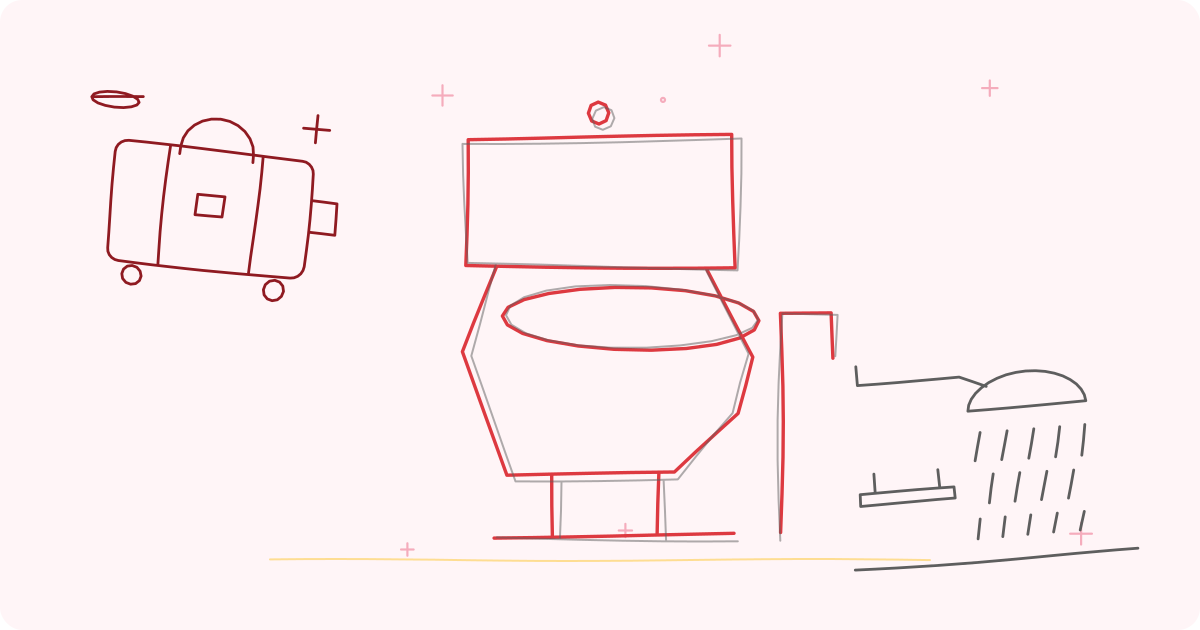
- Safety: non-slip floors, grab bars, good lighting, a raised toilet seat or shower chair if needed, no rugs; see bathroom safety checklist for seniors, flooring, rugs and trip hazards and ground floor vs upper floor living.
- Access: a lift that works during power cuts, or a ground floor; check steps at the entrance and in the building; see lifts and apartment living for seniors.
- Heat, cold and ventilation: comfortable temperatures and fresh air.
- Kitchen and food: space and respect for habits, diet and religious practices; see caring with religion, fasting and culture in mind.
- Alert and contact: a phone within reach, emergency numbers and, if suitable, a pendant; see panic pendant buying guide.
- A key safe or spare key with a trusted neighbour; see home safety for seniors living alone.
- Nearby amenities: a pharmacy, clinic, park, temple, shops and transport.
Set up health care early
- Choose a family doctor and, if needed, a specialist and a hospital near the new home before you move. Ask the old doctor for a summary and copies of records, with your parent's consent.
- Transfer prescriptions and set up refills; carry a medicine list; see giving medicines safely at home.
- Review health insurance: check whether the policy covers the new city and network hospitals, and whether any address changes are required; see health insurance for senior citizens in india.
- Plan the journey: a long trip is tiring; plan rest, medicines, toilet breaks and hydration, and ask the doctor whether your parent is fit to travel; see travel with an elderly parent checklist.
- Prepare the emergency plan: ambulance numbers, nearest hospital, a summary and a bag; see emergency contact card and medical summary and emergency bag for a hospital visit.
- For dementia, moves can cause distress and confusion. Discuss with the doctor, keep routines and familiar objects and minimise changes; see caring for a parent with dementia at home.
Plan for a social life and purpose
The most common problem after a move is loneliness. Many parents have a full social life at home and little in a new city.
- Visit local groups early: a senior citizens' club, a laughter club, yoga, a park walking group, a temple, mosque, church or gurdwara community, library, art or music class; see community and social activities for seniors in kolkata as an example of what to search for.
- Help them meet neighbours, shopkeepers and other grandparents.
- Keep old ties alive: regular calls with friends, visits back, video calls; see loneliness and isolation in older adults.
- Give a role: involvement with grandchildren, cooking, the household garden or a hobby, without turning them into unpaid childcare unless they want it; see involving children and grandchildren in care.
- Respect independence: let them keep routines, such as morning walks, and do tasks they enjoy.
- Language and culture: find a community, food shops and religious places that match.
Sort the money and paperwork
- Do not sell or transfer property under pressure. Take independent legal advice, and talk to siblings. Keep the old home or tenancy until you are sure the move works.
- Update addresses with banks, insurers, pension offices, Aadhaar and government records, where needed; see government schemes for senior citizens in india and check what changes if your parent moves state, since some benefits are tied to state residence. Verify with official sources.
- Share costs openly: rent, groceries, utilities, medicines, help; see budgeting for elder care in india.
- Keep your parent's money separate and the records clear; see managing a parent's money safely.
- Check legal documents: wills, nominations and any power of attorney; see legal basics: wills, nominations and power of attorney, checking current rules with a lawyer.
- Plan for the old home: keep it secure, arrange maintenance and utilities, and consider a trusted neighbour or caretaker.
The emotional side
For your parent: grief for the old home, fear of becoming a burden, a sense of lost control and, sometimes, relief at being safe and closer to family. Let them grieve and talk about it, keep some familiar routines and objects and reassure them that the old home does not have to disappear overnight.
For you: responsibilities increase, privacy changes and old family dynamics can return; see caregiver burnout signs and prevention. For your partner and children: talk openly about expectations, space, noise, privacy, discipline, food and finances. Agree house rules and boundaries kindly. For siblings: share information and decisions; a move can raise questions of fairness; see sharing care among siblings.
After the move: review
Give it time, often several months. Check in regularly: How is sleep, appetite, mood, mobility and health? Is your parent making friends or retreating? Is the household coping? Review at one month, three months and six months, and be ready to adjust: more help, a different home, more social activity or, if it is not working, an honest conversation about returning home or other options. Changing your mind is not failure.
When to ask a professional
A doctor or geriatrician can advise on fitness to move and health care needs. A lawyer advises on property, wills and powers of attorney. A social worker or counsellor helps with family and emotional issues. An occupational therapist can assess the new home. For senior citizens' information and support, Elderline 14567 is a helpline; check current availability. In an emergency, call 112.
Equipment mentioned in this guide
Frequently asked questions
My mother says she will never leave her house. What should I do?
Listen to why, look at ways to make staying safer, and suggest a trial stay rather than a permanent move. Keep the conversation open.
Should we sell the old house when she moves?
Not in a hurry. Wait until the move has proved successful, and take legal advice before any sale or transfer.
How do I help my father make friends in a new city?
Take him to local groups, introduce neighbours, keep up old friendships by phone and give him roles and activities he enjoys.
What if the move does not work?
Review honestly, adjust support, and consider returning home with help or other options. A trial approach makes this easier.
Sources and further reading
- World Health Organization, Age-friendly cities and communities guidance
- NICE guideline NG27, Transition between inpatient hospital settings and community or care home settings
- HelpAge India, public information on intergenerational living and ageing in place
- Ministry of Health and Family Welfare, India, National Programme for Health Care of the Elderly (NPHCE) public information
Tags: relocating parentsmoving elderly parentfamily livingtransition planningnew citysettling inCaregiver how-tosWall-fixed grab barBathroom and toilet safetySafety and alert devices
This article is for general education and is not medical advice. Speak to your doctor before changing your exercise, diet or medicines.