Why grip strength matters
- Daily independence: opening containers, dressing, cooking, personal care, using tools and phones.
- Safety: gripping a rail, a stick or a walker handle.
- A marker of general strength: weaker grip is associated with muscle loss, frailty and a higher risk of problems after illness; see sarcopenia, muscle loss and food and frailty in older adults explained.
- Quality of life: hobbies such as writing, sewing, cooking, gardening and music depend on hands.
Common reasons for weak or stiff hands
- Osteoarthritis of the finger joints and base of the thumb, with pain, stiffness and bony knobs.
- Rheumatoid and other inflammatory arthritis, with swelling, warmth and morning stiffness; see osteoarthritis vs rheumatoid arthritis.
- Carpal tunnel syndrome (compressed nerve at the wrist), with numbness, tingling and weak grip, often worse at night; see wrist supports for arthritis, carpal tunnel and weak grip.
- Trigger finger, where a finger catches or locks.
- Muscle loss with age or illness, and poor nutrition.
- Nerve problems: diabetes neuropathy, neck problems (cervical spondylosis), vitamin B12 deficiency; see neuropathy foot care and cervical collars and neck pain.
- Stroke or Parkinson's disease; see exercise after a stroke at home and exercise for Parkinson's disease.
- Thyroid disease and other medical conditions.
- Injury or past fracture of the wrist or hand.
- Medicines and, rarely, other conditions.
Because many of these have specific treatments, new or sudden weakness needs a medical opinion.
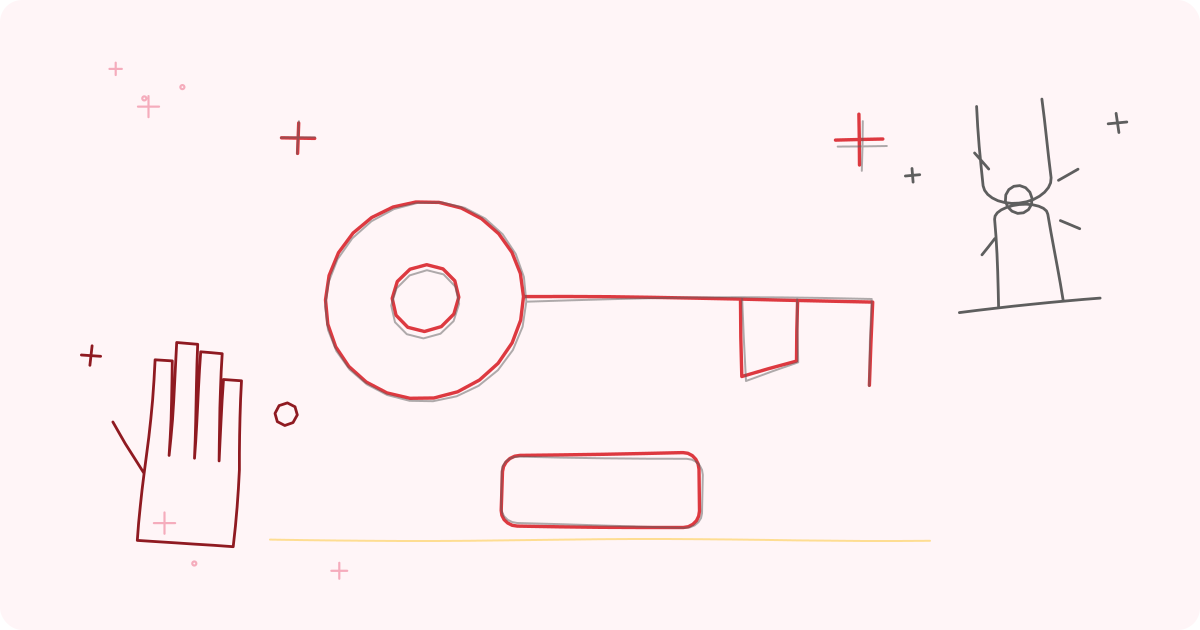
When to see a doctor before exercising
See a doctor promptly, before doing exercises, if you notice:
- sudden weakness or numbness in a hand or arm, especially with face droop, slurred speech or confusion: call 112, as it may be a stroke; see stroke warning signs and first hour;
- numbness or tingling that wakes you at night or persists;
- a hot, red, swollen finger or wrist joint, or fever;
- severe pain, or pain after a fall;
- a finger locking or a deformity;
- progressive weakness with muscle wasting at the base of the thumb;
- neck pain with arm symptoms;
- clumsiness with buttons or writing that is new.
Hand exercise principles
- Warm the hands first: a warm shower, warm water soak for a few minutes or a warm pack on the hands; see heat or cold for joint pain and hot pack safety for older skin. Never use heat on numb skin or hot, swollen joints.
- Sit comfortably with forearms supported on a table.
- Move slowly, within comfort. Mild stretch is fine; sharp pain is not.
- Breathe normally.
- Start with a few repetitions (5 to 8) once or twice a day, and build slowly.
- Rest if the joints are inflamed: during an arthritis flare, do only very gentle movement.
- Do not force stiff or deformed joints, or use heavy gripping.
- Stop if pain lasts more than an hour afterwards, if swelling increases, or if numbness or tingling worsens.
Gentle range-of-motion and flexibility
Do these daily, each 5 to 10 times.
1. Finger lifts: with the palm flat on the table, lift each finger in turn, then lower. 2. Make a fist and open: curl the fingers slowly into a loose fist, then stretch them wide open, like opening a flower. 3. Hook fist: bend the finger tips down to touch the base of the fingers (a hook shape), then straighten. 4. Tabletop bend: bend the knuckles at the base of the fingers while keeping the fingers straight, then straighten. 5. Thumb to fingertips (opposition): touch the tip of the thumb to the tip of each finger in turn, making an "O". 6. Thumb stretch: gently draw the thumb across the palm toward the base of the little finger, then out to the side. 7. Wrist bends: rest the forearm on the table with the hand hanging over the edge, then bend the wrist up and down, and side to side. 8. Forearm turns: with the elbow bent against the side, turn the palm up then down. 9. Finger spreads: spread the fingers wide apart, then bring them together. 10. Prayer stretch: gently press the palms together in front of the chest and slowly lower the hands towards the waist to feel a stretch in the wrists. Stop if painful.
Hold gentle stretches for 10 to 15 seconds.
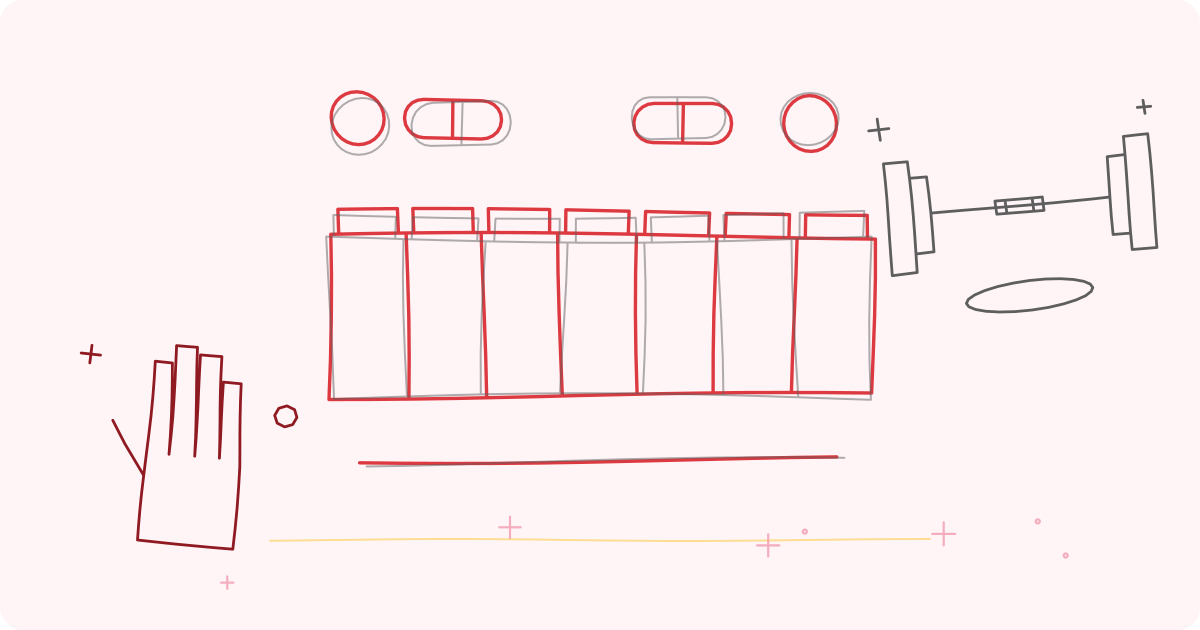
Gentle strengthening
Do two or three days a week, with rest days between, once the hands are warm and comfortable.
1. Soft ball or sponge squeeze: squeeze a soft ball, a sponge or a rolled towel, hold for three seconds, release slowly. 8 to 10 times each hand. Choose a firmness that does not cause pain. 2. Therapy putty: knead, squeeze, pinch and roll the putty with the fingers and thumb. Use a soft grade first. Five minutes. 3. Finger squeezes with the thumb: pinch the putty or a soft ball between the thumb and each finger in turn. 4. Rubber band spreads: place a loose rubber band around the fingers and thumb and slowly open the hand against the band, then close. Use a band that is not too tight; skip if painful or if you have latex allergy. 5. Finger presses on the table: press each fingertip on a table for three seconds. 6. Towel wringing: twist a small damp towel gently as if wringing it out, with a light grip. Skip if it hurts the wrist or thumb base. 7. Wrist curls with a very light weight or a tin can: rest the forearm on a table, palm up, hand over the edge, curl the wrist up slowly and lower. 8 times. See dumbbells guide for seniors for care with weights. 8. Hand roller or hand grip trainers: soft devices with adjustable resistance; start at the lowest level. 9. Resistance band exercises for the arms and shoulders also help hand function indirectly; see resistance bands guide.
Avoid pushing hard on painful, swollen joints, and avoid repeated forceful pinching if thumb-base arthritis is painful.
Dexterity and everyday practice
Fine control matters too.
- Pick up small objects, such as coins, beans or beads, and place them in a container.
- Turn pages, shuffle and deal cards.
- Button and unbutton a practice board or shirt.
- Write or draw in larger letters, using a thick pen.
- Sort pills or dry grains with the fingers (not medicines unsupervised).
- Pour water from a small jug into a cup.
- Use a tablet or phone with a stylus, if helpful; see phone and remote aids for arthritis.
- Craft, knitting, kolam or rangoli, playing an instrument, gardening and cooking are excellent hand exercises if comfortable. Take breaks; see how can hobbies help seniors with arthritis.
Protecting the joints
If you have arthritis, combine exercise with joint protection:
- Use larger joints and both hands to carry.
- Use built-up handles, lever taps and jar openers; see arthritis daily living gadgets, jar opener and kitchen aids and easy grip cutlery guide.
- Avoid prolonged tight gripping, and take breaks.
- Avoid positions that push the fingers sideways.
- Wear a wrist or thumb support during painful tasks, if advised; see wrist supports.
- Pace tasks.
- See an occupational therapist for splints and joint-protection advice.
Supporting muscle in general
Hand strength reflects whole-body strength. Keep active, with walking and strength training; see strength training after 60: how much is enough and walking programme for older adults. Eat enough protein and calories, and check for B12, vitamin D or other deficiencies if suggested by your doctor; see how much protein do seniors need and vitamin b12 in older vegetarians. Treat underlying conditions such as thyroid disease and diabetes.
Safety cautions
- Do not exercise on joints that are hot, red and swollen.
- Avoid heavy gripping with trigger finger or severe thumb-base arthritis without advice.
- With osteoporosis and a past wrist fracture, avoid forceful twisting; ask your doctor.
- After hand or wrist surgery, follow the surgeon's and hand therapist's plan only.
- With numb hands, take care with heat and sharp objects; see hot water and scald safety for older skin.
- With cognitive problems, supervise tools such as rubber bands and putty.
- Keep a phone nearby; call 112 for chest pain, stroke signs or emergencies.
When to ask a professional
Ask a doctor about new or worsening weakness, numbness, pain, swelling or locking. A hand therapist or occupational therapist can design hand exercises, make splints and advise on aids. A physiotherapist can assess neck and shoulder contributions. A dietician can advise on nutrition for muscle. In an emergency, call 112.
Equipment mentioned in this guide
Frequently asked questions
How often should I do hand exercises?
Gentle range-of-motion daily, and strengthening two or three days a week, starting with a few repetitions and building slowly.
Can hand exercises help arthritis?
Gentle movement often reduces stiffness and helps keep function. Avoid exercising hot, swollen joints, and do not push through sharp pain. An occupational therapist can advise.
My grip is suddenly weak. Should I exercise?
No, see a doctor first. Sudden weakness, numbness or clumsiness can signal a stroke or a nerve problem. Call 112 for stroke signs.
What is the best tool for improving grip?
A soft ball, therapy putty or a gentle hand trainer is fine, used lightly. Choose a soft resistance, and combine with overall strength exercise.
Sources and further reading
- NICE guideline NG226, Osteoarthritis in over 16s: diagnosis and management
- Royal College of Occupational Therapists, guidance on hand therapy and joint protection
- World Health Organization, Guidelines on physical activity and sedentary behaviour (2020)
- Arthritis Foundation, patient information on hand exercises
Tags: grip strengthhand exercisesarthritis handshand strength elderlyfinger mobilityweak gripGentle exercise at homeEasy-grip cutlery setDaily living aidsJoint and pain support
This article is for general education and is not medical advice. Speak to your doctor before changing your exercise, diet or medicines.