The Healing Power of Music
A recent study conducted by researchers at the University of Miami School of Medicine revealed that music therapy leads to increased secretion levels of “feel-good” brain chemicals, including melatonin, serotonin, norepinephrine, epinephrine, and prolactin in Alzheimer’s patients.
The results are manifold: music can boost mood, reduce stress and agitation, foster positive social interactions, coordinate motor function, and even facilitate cognition. How? Even as the disease progresses and cognitive function declines, the human brain still naturally responds to music. And the benefits continue long after the music stops playing.
Amazing Associations
Music has the unique ability to evoke memories and emotions from long ago. Choose favorite songs or musical styles from your loved one’s formative years — teens to mid-20s are ideal — to elicit the most engaged response. If your loved one is still relatively mobile, attend a concert or go out dancing. Or, buy a karaoke machine so you can sing along together to favorite tunes at home. If a particular type of music causes your loved one to exhibit signs of distress, avoid playing it in the future; it may be associated with an upsetting memory.
For adults in advanced stages of dementia, reaching further back in time may be an effective technique. Songs learned in childhood — particularly when listened to in your loved one’s native language — may trigger a more significant response.
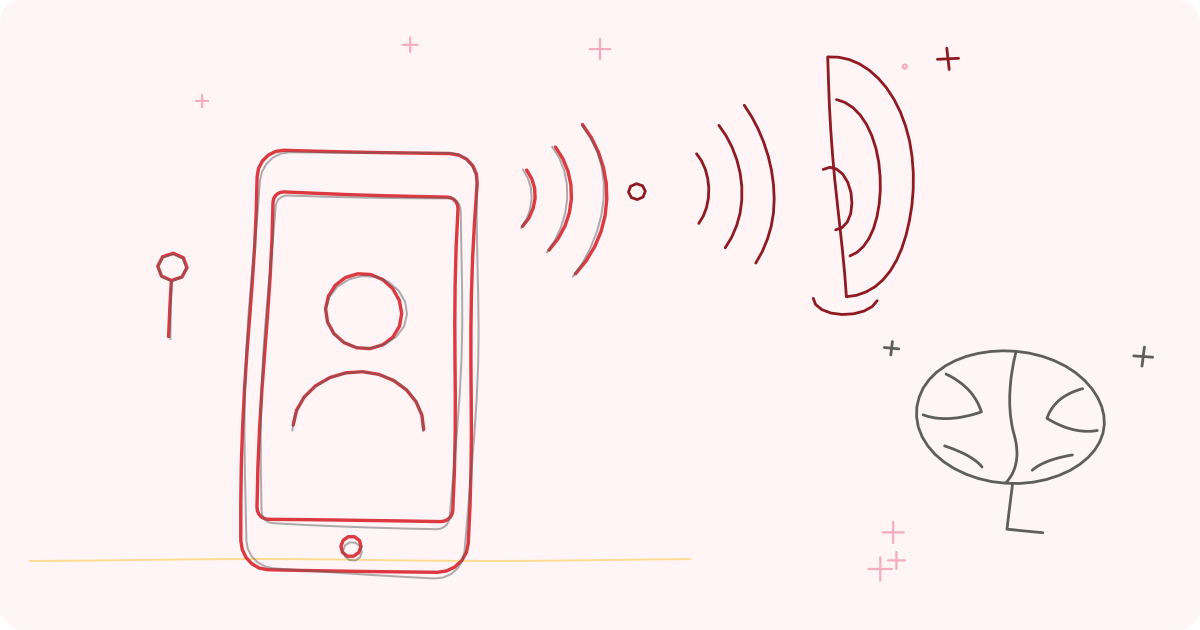
Music As a Tool
Music can also be used to foster a particular mindset or mood. For example, “fast” music may encourage movement while “slow” songs can have a sedative effect. In partnership with daily activities, the right background music can guide behaviors and responses.
Unfamiliar music can also play a vital role in music therapy. New songs can be used to develop beneficial responses, such as sleep enhancement and stress management. Music can also be used during exercise and physical therapy sessions to help promote balance and concentration.
When individuals with advanced dementia become frustrated or overwhelmed by the inability to communicate and/or environmental stimuli, music continues to be a valuable tool. Gentle music can help calm agitation and refocus negative behaviors into positive activity.
Even in the later stages of dementia and when all human interactions fail, older adults can still connect with music. Listening to music together, meanwhile, creates critical opportunities for connection between caregivers and patients alike.
Music therapy has been used for centuries to relieve stress and promote a sense of well-being. By incorporating music into the life of your loved one with Alzheimer’s or dementia, you can help him/her experience its many profound benefits.
Key Takeaways
- Singing, playing and listening to music has a number of physical, mental and emotional benefits.
- Depending on the stage of illness, music can be incorporated into your loved one’s life in a variety of meaningful ways.
- Music can also be used in the background to inspire certain behaviors or create a particular mood.
- Listening to music with your aging loved one is a promising means of connecting when other efforts fail.
How to use music at home
1. Pick songs from the person's youth, such as old film songs, bhajans, ghazals or folk music in their own language. 2. Make a short playlist of ten to fifteen songs and play it at the same time each day. 3. Use calm music for meals, baths and bedtime, and livelier songs for afternoon movement. 4. Keep the volume low and the room quiet so the music is not mixed with TV or noise. 5. Sing, clap or tap along together, and let your parent lead. 6. Watch the response. If a song causes distress, stop and avoid it.
Make it easy
Headphones can help someone with hearing loss but should only be worn if comfortable; see TV headphones and streamers. A simple speaker or phone with a large playlist works too.
What music can and cannot do
Music can lift mood, ease agitation and spark memories. It does not cure dementia, and it works best alongside regular routines, sleep, exercise and social contact; see dementia daily routines and dementia challenging behaviours.
When to ask a professional
A trained music therapist or an occupational therapist can design a programme. Sudden agitation, aggression or refusal to eat should be checked by a doctor, because pain or infection may be the cause.
Equipment mentioned in this guide
Frequently asked questions
Does music really help people with dementia?
Many people respond to familiar music even in later stages, with better mood and less agitation.
What music is best?
Songs the person loved in their teens and twenties, and songs from childhood in their own language.
Can music replace medicines?
No. It is a supportive activity, not a treatment.
What if a song upsets them?
Stop it and avoid it in future. It may be linked to a sad memory.
Sources and further reading
- World Health Organization, Dementia fact sheet
- Alzheimer's Society (UK), information on music and dementia
- Cochrane review on music-based therapeutic interventions for people with dementia
Tags: Music #Seniors #Reduce Stressmusic therapydementia activitiesAlzheimer's careagitationConditions and devicesTV listening headphonesLarge-display talking clockHearing and vision aidsDaily living aids
This article is for general education and is not medical advice. Speak to your doctor before changing your exercise, diet or medicines.