What is Osteoporosis?
Osteoporosis has been derived from a Latin word meaning “porous bones.” Osteoporosis leads to an increase in the size of small spaces in bones, which in turn leads to weaker bone strength and density.
Causes of Osteoporosis:
Age:
Age is one of the major causes of osteoporosis. There is a cycle of breaking down old bones and growing new bones which takes place within our body lifelong. However, when a person enters their 30s, the process of breaking down old bones gets faster than the process of replacement. As a result, the number of bones which are less denser and more fragile increase in the body leading to more chances of breakage.
Menopause:
Menopause, another cause of osteoporosis, is a phase which marks the end of a woman’s menstrual cycle and takes place between the age of 45 and 55. A lot of hormonal changes take place during this phase which can lead to a woman losing bone quicker.
Genetic:
If your mother or grandmother have osteoporosis, then it might act as one of the causes of osteoporosis for you. There are higher chances that you may also develop the same.
Other causes of osteoporosis are:
- Lack of nutrition
- Sedentary lifestyle
- Smoking
- Low body weight
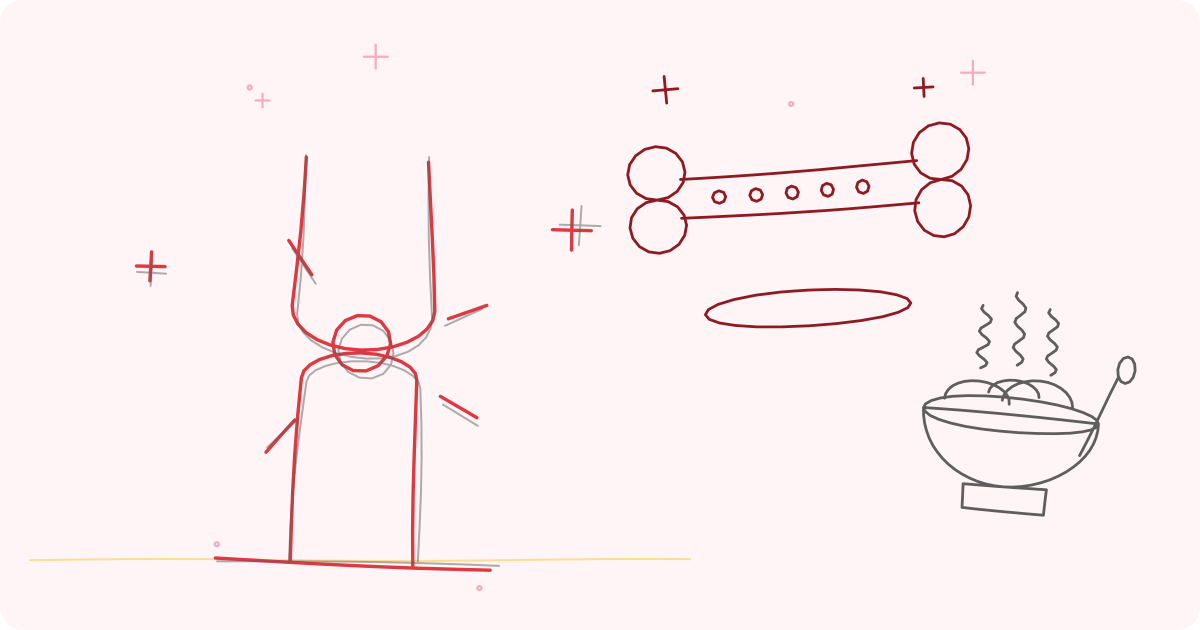
Treatment of Osteoporosis:
Treatment of osteoporosis is based on bone density test. The test can help in getting an estimate of risk of breaking a bone, based on which treatment of osteoporosis can be recommended.
Treatment of osteoporosis may range from medications to bone-building medications to hormone-related therapy.
Based on one’s risk of breaking a bone, one of the above-mentioned treatments of osteoporosis can be recommended.
What to do next
You cannot feel bone loss, so the aim is to protect against fractures.
- Ask for a bone density test (DEXA) if your parent is a woman over 65, a man over 70, or has a fracture, steroid use or other risk.
- Check vitamin D and calcium with a blood test and the doctor, and take supplements only as advised; see osteoporosis medicines and supplements.
- Eat calcium-rich food: milk, curd, paneer, ragi, sesame, green leafy vegetables and fish where eaten.
- Walk and do light strength work a few times a week; see exercise for osteoporosis.
- Get safe sun, a short time in the morning light, with the skin of arms and face exposed.
- Stop smoking and cut alcohol.
Fall-proof the home
For someone with fragile bones, a fall can mean a fracture. Install grab bars, remove loose rugs, add night lights and use a walking aid if recommended; see bathroom safety checklist, walking aids for osteoporosis and preventing falls.
Warning signs
Sudden back pain after a minor movement, loss of height, a stooped posture or any fracture after a small fall should be checked by a doctor. See osteoporosis home care guide.
When to ask a professional
An orthopaedic doctor or endocrinologist can plan treatment, and a physiotherapist can teach safe exercises. Our care advisors can arrange a bone check and a home safety visit.
About our care services
Mrs. Monika Gupta, a 75-year-old elder, is suffering from osteoporosis but in this time of crisis she’s taking care of her herself and her house. Emoha salutes her!
Equipment mentioned in this guide
Frequently asked questions
What is osteoporosis?
A condition where bones become thin and porous, so they break more easily.
Who is at greatest risk?
Older adults, women after menopause, people with a family history, low body weight, little activity or poor nutrition, and those on long-term steroids.
Are calcium tablets enough?
No. Bones also need vitamin D, protein, exercise and fall prevention, and medicines may be needed. Take supplements only as advised.
Is exercise safe with osteoporosis?
Yes, when it is the right kind. Walking and light resistance work help; avoid sudden bending and twisting unless a physiotherapist approves.
Sources and further reading
- International Osteoporosis Foundation, patient resources
- World Health Organization, Ageing and health fact sheet
- Indian Society for Bone and Mineral Research, guidance on osteoporosis
Tags: Osteoporosis #Bones Problem #Healthosteoporosisbone healthfracture preventioncalcium and vitamin DJoint and pain supportCalcium and vitamin D3 tabletsAdjustable walking stickGut health and nutritionMobility and walking aids
This article is for general education and is not medical advice. Speak to your doctor before changing your exercise, diet or medicines.