What is sciatica, and what is happening in the nerve?
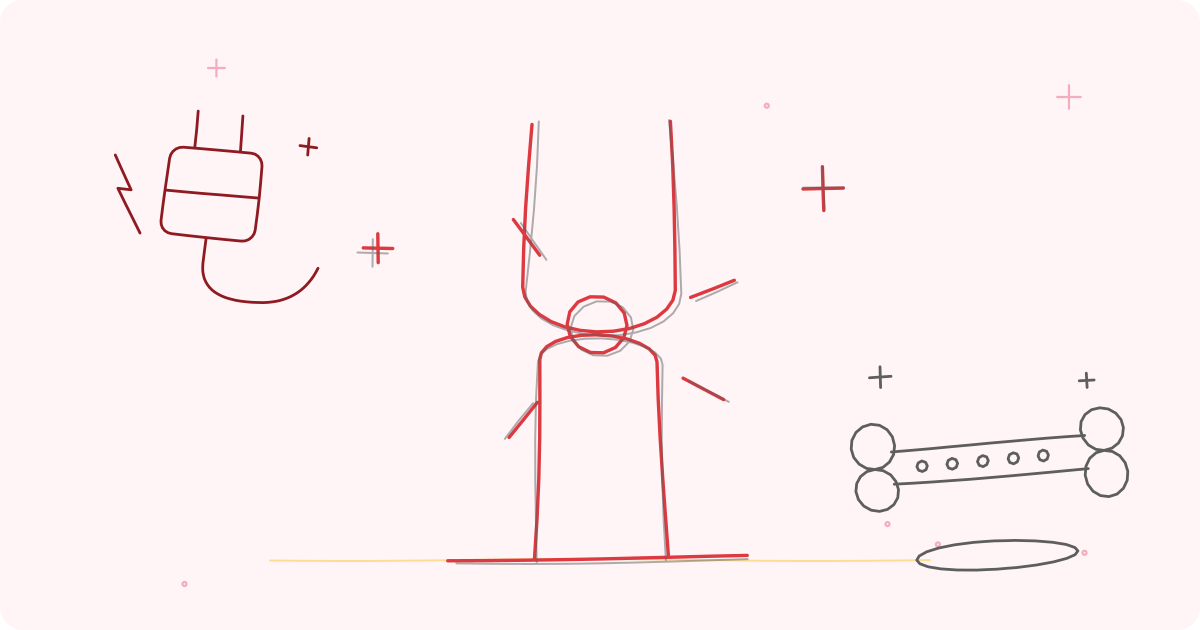
The sciatic nerve is the thickest nerve in the body. It is formed from nerve roots that leave the lower spine, join in the pelvis, pass deep through the buttock and run down the back of the thigh before dividing below the knee. When one of those roots is squeezed or inflamed near the spine, the pain is felt along the route the nerve supplies, not just at the spot of the problem. That is why the trouble may be in the back while the symptom is in the calf or the foot.
The NHS describes the typical features: a sharp or burning pain down the back of the leg, tingling like pins and needles, and numbness or weakness. Symptoms can start suddenly or gradually, and the pain may be worse with movement, sneezing or coughing. Back pain can be present but is usually less severe than the leg pain, and the NHS notes that a person with only back pain probably does not have sciatica. Pain that stays in the lower back or hip is more often from the joints, muscles or discs of the back itself; the guide on lower back pain in the elderly covers those causes.
Common causes in older adults
The NHS lists four things that can press on or rub against the sciatic nerve.
- A slipped (herniated) disc. The soft centre of a spinal disc pushes out and touches a nerve root. The NHS describes this as the most common cause and says it becomes more likely with age. Its slipped disc page lists ageing, lifting heavy objects the wrong way, long periods of sitting or driving, being inactive or overweight, and smoking as factors that can contribute.
- Spinal stenosis. This is a narrowing of the spine where the nerves pass. The guide on spinal stenosis and sciatica explains this in more detail.
- Spondylolisthesis. A spinal bone slips out of its normal position.
- A back injury. The NHS includes back injury among the causes.
Another muscle-related explanation often mentioned is the piriformis, a small muscle deep in the buttock that lies beside the nerve. It is sometimes blamed for sciatica-like pain, but a doctor would usually look for a spinal cause first. Diabetes can also cause nerve pain in the feet that resembles sciatica but affects both sides; a doctor can tell the difference.
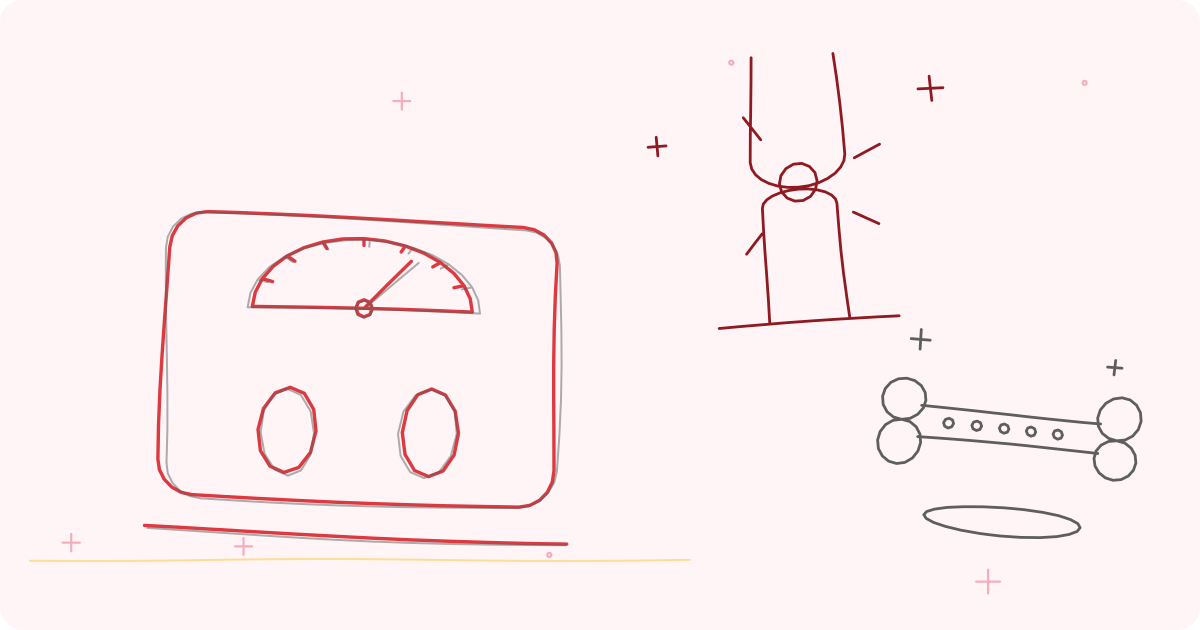
Stretches and exercises physiotherapists commonly teach
The NHS lists "exercises and stretches" among the main treatments for sciatica, alongside painkillers and physiotherapy, and says that physiotherapy can include exercise advice and manual therapy such as massage (NHS treatment page). The NHS also advises keeping up normal activities as far as possible and starting gentle exercise early.
The three moves below are described only to show what such exercises look like. They are not instructions. A physiotherapist can show which, if any, suit a person with stiff hips, weak balance, thin bones or a joint replacement, and can say how long and how often to do them. Anyone with osteoporosis, a recent operation or a hip replacement is a person for whom a clinician, not a web page, should say which positions are suitable.
- Lying figure-four. The person lies on their back with knees bent, rests one ankle on the opposite thigh and draws the thigh gently towards the chest. It is aimed at the buttock muscles, including the piriformis.
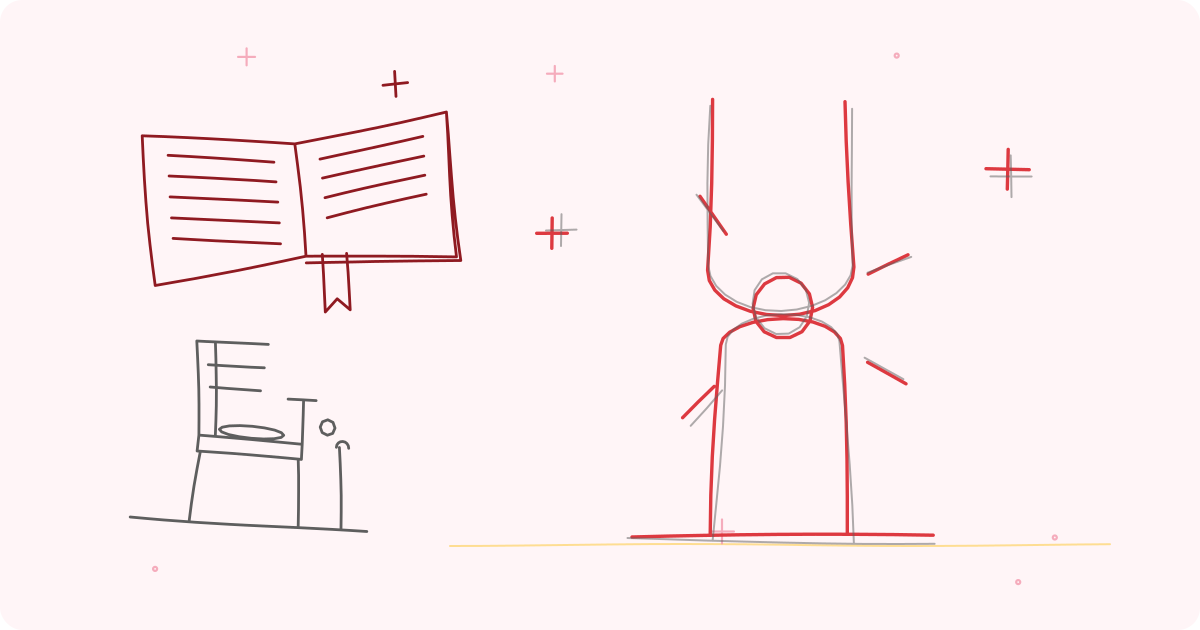
- Seated figure-four in a chair. Seated on a sturdy chair, the person rests one ankle on the opposite knee and leans forward from the hips. This is a lower-effort version for people who cannot get down to the floor.
- Seated hamstring stretch. Sitting near the front of a chair with one leg straight and the heel on the floor, the person leans slightly forward from the hips to feel a pull behind the thigh.
Online routines often feature floor poses such as pigeon pose. Whether a pose like that suits an older person's knees, hips and spine is something a physiotherapist can judge, which is one reason supervised exercise is usually discussed with a clinician.
For other gentle movement ideas that people discuss with their therapists, see stretching for stiff older bodies.
Staying active versus bed rest
On back pain in general, the NHS back pain page advises staying active and keeping up daily activities, and says to avoid long periods in bed. Its sciatica page likewise suggests avoiding long periods of sitting or lying down, since moving may help recovery even if it hurts. The NHS back pain page also describes using a heat pack or hot-water bottle, wrapped in a tea towel, to ease stiffness or muscle spasms, and an ice pack or bag of frozen peas, also wrapped, to reduce pain and swelling. Anyone with reduced feeling in the leg can ask a clinician how heat or cold applies to them.
Posture, lifting and weight
The NHS prevention advice for sciatica lists staying active, lifting heavy objects safely, maintaining good posture, sitting correctly at a computer, keeping a healthy weight and not smoking, as smoking raises the risk (NHS sciatica). Falls matter too, since pain and numbness change the way a person walks. See falls risk assessment at home for how families check a home for hazards.
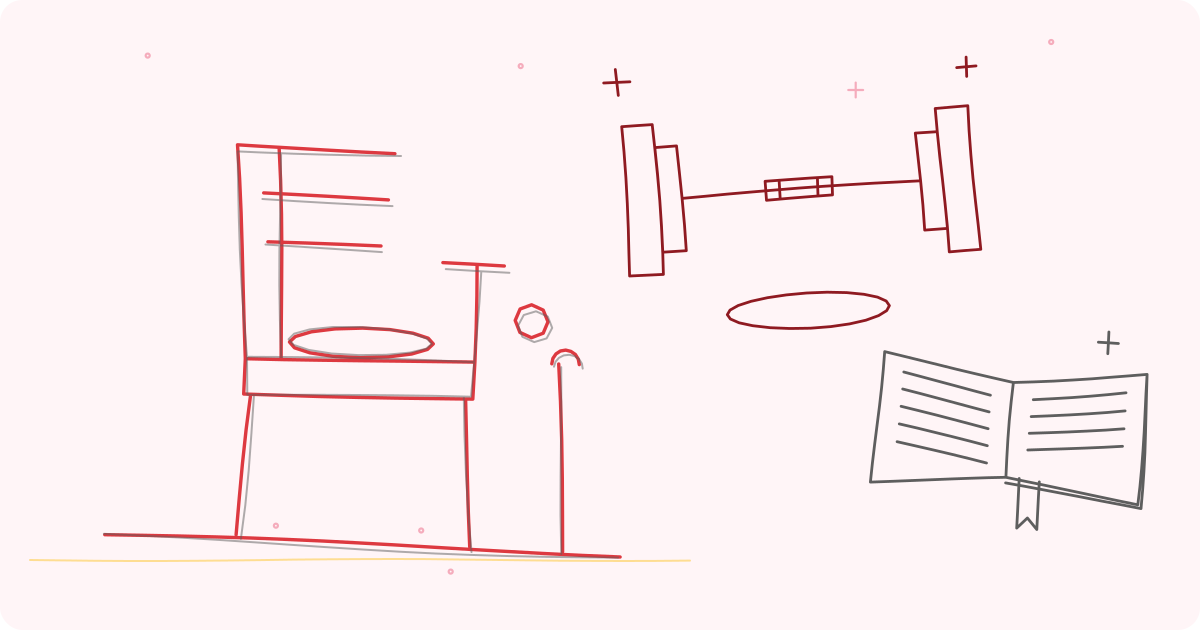
What research says about medicines
Over-the-counter painkillers. The NHS says to ask a pharmacist for advice about painkillers, notes that paracetamol is unlikely to help sciatica, and says it is unclear how much anti-inflammatory painkillers such as ibuprofen help. A pharmacist or doctor who knows a person's medicine list is the right person to ask about this.
Nerve-pain medicines. In the PRECISE trial, published in the New England Journal of Medicine in 2017, 209 people with sciatica were randomly given pregabalin or placebo. After eight weeks, leg pain was not significantly lower with pregabalin, and more adverse events, including dizziness, occurred in the pregabalin group. Dizziness is a known contributor to falls.
Short steroid courses. A JAMA trial of oral prednisone in 2015 in 269 adults with sciatica from a herniated disc found a modest improvement in a disability score but no difference in leg pain compared with placebo, and side effects were more common in the prednisone group. A Cochrane review of systemic corticosteroids concluded that they may give small short-term benefits for sciatica-type pain and function, with limited evidence on harms. Whether steroids suit someone with diabetes, thin bones or high blood pressure is a decision for their doctor.
Injections and surgery
The NHS says that if pain is severe and other treatments have not helped, a hospital specialist may offer a painkilling injection such as an epidural, a procedure that seals off some nerves in the back (radiofrequency denervation), or decompression surgery.
On timing of surgery, a Dutch trial in the New England Journal of Medicine (2007) randomly assigned 283 people with severe sciatica lasting 6 to 12 weeks to early surgery or prolonged conservative care. Early surgery gave faster relief of leg pain and faster perceived recovery, but one-year outcomes were similar: about 95 percent of people in both groups reported recovery, and about 39 percent of the conservative group ended up having surgery. The NHS slipped disc page says surgery is not usually needed and that a GP may refer to a specialist if symptoms do not improve or if weakness or numbness is getting worse.
Claims of a permanent cure from oils, magnets, gadgets or a single manipulation are not backed by the sources above.
When to see a doctor
This guide is general information, not medical advice. It does not replace a doctor, nurse or pharmacist who knows your situation.
Emergency. The NHS says to get emergency help (A&E or the emergency number in the UK) if there is sciatica on both sides; severe or worsening weakness or numbness in both legs; numbness around the genitals, anus or buttocks; difficulty starting to pass urine, being unable to pass urine or losing control of it; or not noticing when you need to open your bowels or losing control of bowel movements. It says these can signal a serious back problem needing urgent hospital treatment. In India the emergency number is 112. The NHS also lists back pain after a serious accident, or with chest pain, as reasons for emergency care (NHS back pain).
Soon. The NHS suggests seeing a GP if sciatica has not improved after a few weeks of home treatment, is getting worse, or stops you doing normal activities. The same page notes that sudden severe pain, or feeling hot, cold, shivery or generally unwell with back pain, is a reason for an urgent appointment (NHS back pain). Anyone with unexplained weight loss, a history of cancer or pain that wakes them at night can raise it with a doctor.
Equipment mentioned in this guide
Frequently asked questions
Can sciatica go away on its own?
The NHS says it usually improves within a few weeks to a few months, though it can last longer and may return. A doctor can say what to expect for a particular person.
Is bed rest helpful for sciatica?
The NHS advises against long periods of sitting or lying down and describes staying active as part of self-care. A doctor or physiotherapist can say how much activity suits a person.
Is heat or ice used for back pain?
The NHS back pain page describes heat for stiffness and muscle spasm and ice for pain and swelling, each wrapped in a tea towel. A clinician can advise anyone with reduced feeling in the leg.
Do nerve-pain tablets work for sciatica?
In the PRECISE trial, pregabalin did not significantly reduce leg pain at eight weeks and caused more adverse events than placebo. Decisions about any prescribed medicine belong to the prescribing doctor.
Are these stretches safe with osteoporosis?
That depends on the person. A doctor or physiotherapist who knows the bone health and any hip or spine surgery can say which movements are suitable. See exercise for osteoporosis.
When is surgery considered?
The NHS says decompression surgery can sometimes help when pain is severe and other treatments have not worked. A specialist makes that judgement.
Sources and further reading
- NHS, Sciatica (overview, causes, self-care, when to get urgent help)
- NHS, Sciatica: treatment
- NHS, Slipped (herniated) disc
- NHS, Back pain
- Mathieson S et al., Trial of Pregabalin for Acute and Chronic Sciatica (PRECISE), New England Journal of Medicine (2017)
- Peul WC et al., Surgery versus Prolonged Conservative Treatment for Sciatica, New England Journal of Medicine (2007)
- Goldberg H et al., Oral steroids for acute radiculopathy due to a herniated lumbar disk, JAMA (2015)
- Cochrane, Systemic corticosteroids for radicular and non-radicular low back pain (2022)
Tags: sciaticasciatica stretchessciatica in the elderlylower back painspinal stenosispiriformisJoint and pain supportKnee support sleeveHealthy ageingElder care
This article is for general education and is not medical advice. Ask a doctor or pharmacist about your own situation before changing any exercise, diet or medicine.