In the kitchen
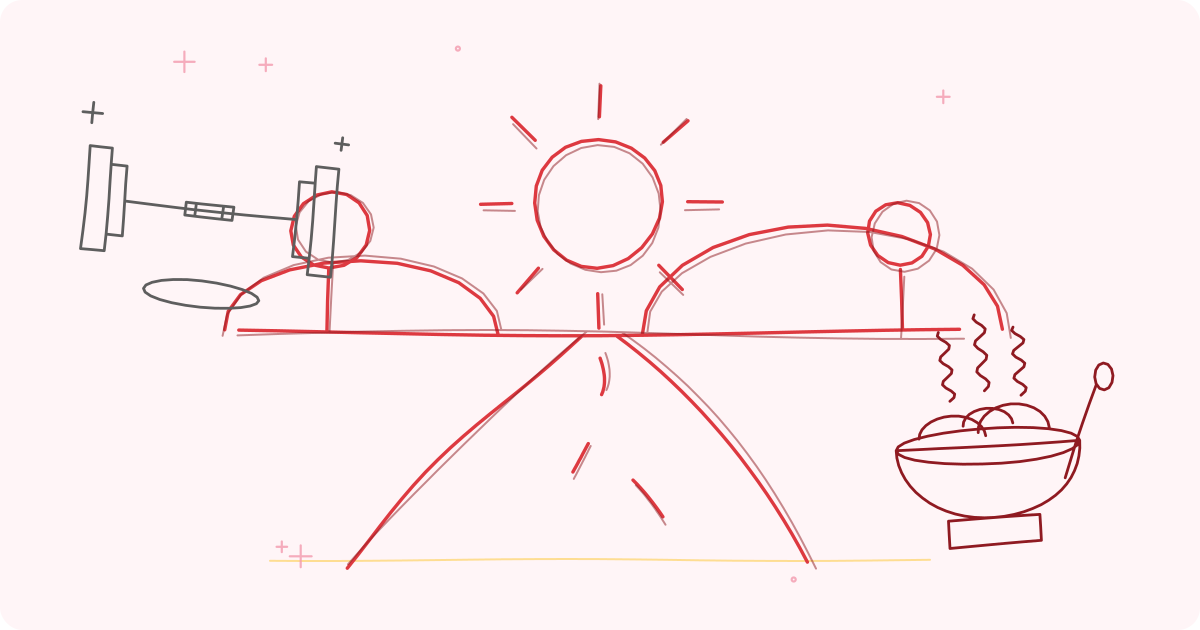
Indian cooking already contains the blue zone template.
- Dal, rajma, chana and sprouts as a daily protein
- Millets such as ragi, jowar and bajra in place of some refined wheat or rice
- Seasonal sabzi and leafy greens at lunch and dinner
- Curd, buttermilk and a handful of nuts
- Less deep-fried food, sugar, sweets and packaged snacks
Move naturally
Walk to the market, climb stairs, garden on the terrace, play with grandchildren, do a few minutes of yoga and take an evening walk with a neighbour.
Belong and rest
Temple, gurdwara, mosque, church or community-centre groups, bhajan or satsang circles, and a daily short rest or prayer are all blue zone ingredients.
Family first
Keep elders involved in the household with real roles: stories, recipes, advice and school pick-ups.
Regional examples across India
In Kerala, fish, coconut, tapioca, red rice and greens form a healthy base. In Tamil Nadu, millet porridges, sambar, rasam and curd rice are staples. In Maharashtra, bhakri, pithla and usal are rich in fibre. In Gujarat, khichdi, kadhi and rotla are comforting. In Punjab, makki roti and saag, lassi and dal can be made lighter. In the Northeast, steamed and fermented foods, greens and fish are common. In Bengal, light fish curry and vegetables. Each region has healthy traditions to preserve.
Choose the foods of your region, prepared with less oil and sugar.
Festivals, fasting and seasonal eating
Festivals centre on sweets and fried foods, and fasting days may lead to unbalanced eating. Enjoy festival foods in small portions, balance with vegetables and fruit, and keep fasting gentle: drink fluids, eat nutritious foods such as fruit, nuts and milk, and avoid fasting if you are on medicines or have diabetes unless advised. Seasonal eating, based on local fruits and vegetables, offers variety and good value.
Respect tradition while looking after health.
Adapting habits for city life
City life brings long commutes, small homes, pollution, late dinners and packaged food. Adapt: walk or cycle for short trips, take stairs, exercise indoors on polluted days, eat dinner earlier, cook simple meals from scratch, and keep healthy snacks at work. Use weekends for family walks, markets and cooking together. Find a local group or club to build community.
Small, realistic changes beat big plans you cannot sustain.
Pick one habit this month, make it easy and repeat it.
Mapping the Power 9 to Indian life
Move naturally: walking to the market, temple or park, climbing stairs, gardening and yoga. Purpose: a role in the family, seva or volunteering, a craft or learning. Downshift: puja, a short nap, an evening cup of tea with a neighbour. 80% rule: eat slowly, serve smaller portions and leave a little space. Plant slant: dal, sabzi, millets, sprouts and curd. Belong: temple, gurdwara, mosque, church or community groups. Loved ones first: shared meals and respect for elders. Right tribe: friends who walk, laugh and eat well.
Many of these are already part of tradition; the work is to protect them from the pull of screens, packaged snacks and long sitting.
A week of Indian blue zones meals
Monday: moong dal khichdi with vegetables and curd. Tuesday: ragi roti with mixed vegetable sabzi and dal. Wednesday: idli, sambar and coconut chutney. Thursday: rajma with brown rice and salad. Friday: fish curry or egg curry with jowar roti, or vegetable stew for vegetarians. Saturday: vegetable pulao with raita. Sunday: a festive meal in moderation with seasonal sweets in a small portion. Add a fruit and a handful of nuts daily.
Keep oil, ghee and salt moderate and avoid reheating oils.
Habits that fit a busy city flat
Take stairs, walk after dinner, do ten minutes of stretching on waking, keep fruit and nuts on the table instead of biscuits, grow herbs on the balcony, call a friend instead of scrolling, and keep one evening a week free for family. Small changes in a small space add up.
Involving the whole family
Habits stick when the household shares them. Cook together on weekends, set a family walk after dinner, and let children choose a new vegetable to try each week. Ask grandparents to teach traditional recipes and stories. When everyone is involved, healthy habits become family culture rather than one person's burden.
Watch-outs in modern Indian eating
Refined flour, deep-fried snacks, sweets, sugary drinks, packaged namkeen and high-salt pickles creep into daily meals. Reduce them gradually: bake instead of fry, choose whole grains, make chutneys with less oil, and keep sweets for festivals. If you live alone or work long hours, plan simple meals such as khichdi or vegetable soup to avoid reliance on takeaways.
Equipment mentioned in this guide
Frequently asked questions
Is white rice a problem?
In moderation with dal and vegetables it is fine. Swapping some for millets or brown rice adds fibre.
Is ghee allowed?
A little is fine as part of a mostly plant-based, whole-food diet.
Do I need to give up sweets?
No. Keep sweets for festivals and special days.
Is the Indian diet naturally blue zone-like?
Traditional home cooking is close, but modern diets have more refined flour, sugar, fried snacks and processed foods.
Are millets better than rice or wheat?
They provide more fibre and minerals and a lower glycaemic response; a mix is good.
What about tea and sugar?
Reduce sugar gradually. Unsweetened or lightly sweetened tea in moderation is fine.
Sources and further reading
- Indian Council of Medical Research and National Institute of Nutrition, Dietary Guidelines for Indians (2024)
- Buettner D., The Blue Zones: 9 Lessons for Living Longer From the People Who've Lived the Longest (National Geographic)
- World Health Organization, Guidelines on physical activity and sedentary behaviour (2020)
Tags: Psyllium husk fibre powderNon-slip exercise matDigital weighing scaleGut health and nutritionGentle exercise at homeHealth monitoring devicesBlue zonesLongevityElder care
This article is for general education and is not medical advice. Speak to your doctor before changing your exercise, diet or medicines.