The pattern in five points
No two blue zones eat the same menu, but the same principles recur.
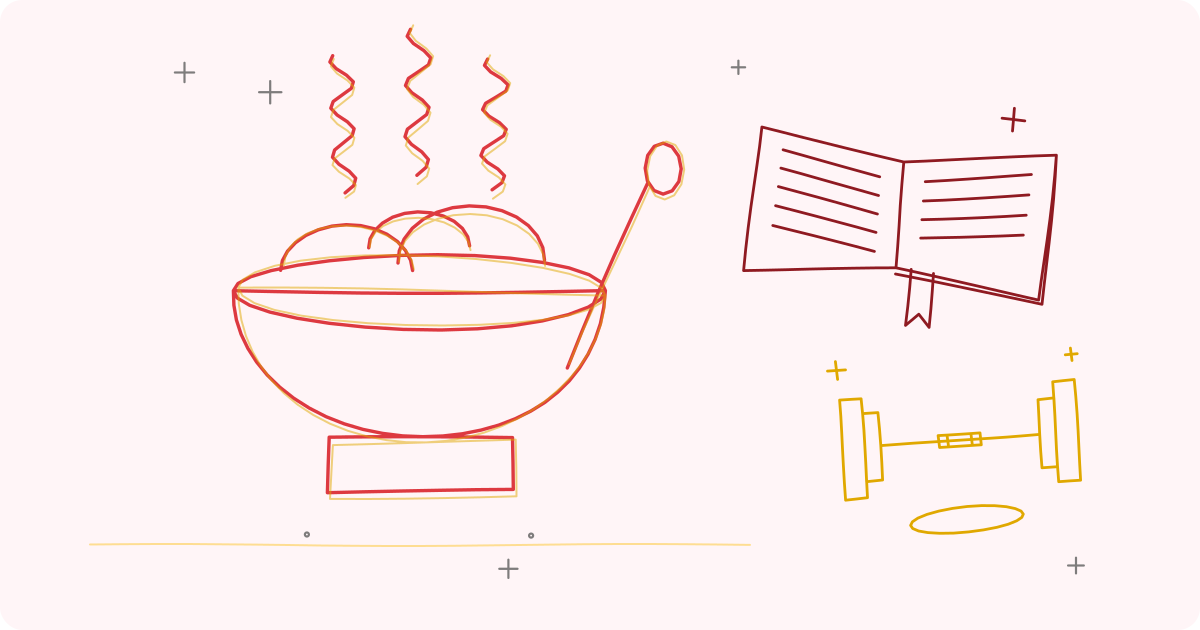
- Beans every day: the cornerstone food.
- Whole grains and tubers: sweet potatoes, barley, corn, sourdough.
- Vegetables and greens, including wild and garden-grown.
- Nuts as the snack of choice.
- Little sugar, dairy or processed food, and small amounts of meat or fish.
A starter shopping list
If you cook for yourself, start here.
- Lentils, chickpeas, black beans
- Oats, barley and brown rice
- Seasonal vegetables and leafy greens
- Olive oil, nuts and seeds
- Sweet potatoes and squash
- Herbs, garlic and turmeric
Eat like a blue zone, wherever you live
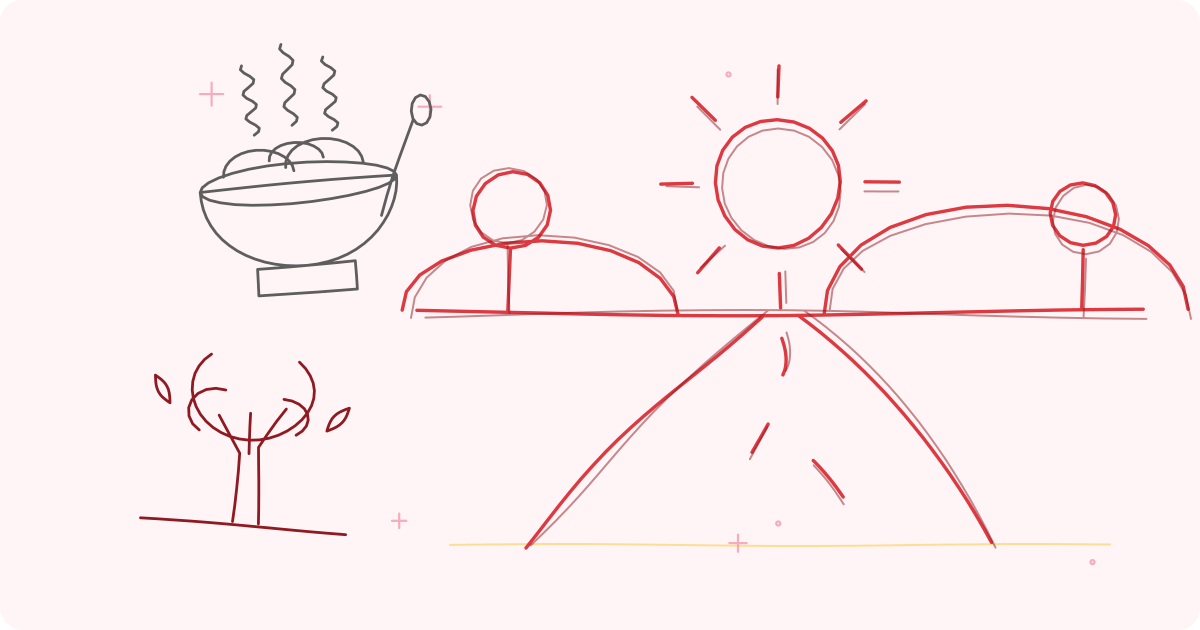
Use local, familiar ingredients. In India, dal, millets, seasonal sabzi and curd fit the pattern naturally. In Greece it is wild greens and olive oil. In Japan it is sweet potatoes and tofu.
Habits around the food
Eat with other people, eat slowly, and stop at about 80% full.
What to limit and why
Blue zone diets are low in refined sugar, processed meats, fried and packaged snacks, sugary drinks and large portions of red meat. These foods are linked with higher risk of heart disease, diabetes and some cancers in large studies. Rather than banning foods, reduce frequency and portion size. Keep sweets for celebration, replace fizzy drinks with water or herbal tea, and choose fruit for dessert most days.
Small shifts add up over years.
Eating together and cooking at home
In blue zones, meals are shared, prepared from scratch and eaten slowly. Cooking at home gives control over salt, sugar and oil, and eating together supports connection and moderation. Teach children and grandchildren to cook simple dishes. Plan meals with family preferences in mind. Even one shared meal a day improves diet quality and relationships.
Make mealtimes screen-free.
Cooking techniques that keep it healthy
Steaming, boiling, grilling, roasting and sautéing with a little oil preserve nutrients better than deep frying. Slow-cooked stews and soups combine flavours and soften food. Use herbs, spices, lemon and garlic for taste instead of excess salt and sugar. Cook pulses until soft and discard soaking water for digestibility. Store leftovers safely.
Use cast iron or stainless steel and limit reheating of oils.
Good technique makes simple foods delicious.
The numbers behind the diet
Analysing hundreds of dietary surveys from blue zones, researchers found that around 95 per cent of food came from plants. Beans were the most consistent food, eaten daily, with an average of at least half a cup a day. Meat was eaten about five times a month in portions of 60 to 90 grams. Fish appeared a few times a week in some places. Added sugar was low, averaging a few teaspoons a day, and dairy was often from goat or sheep rather than cow.
These are averages from observational surveys, but they match the Mediterranean, DASH and plant-based patterns that large trials link with lower rates of heart disease and diabetes.
Build a blue zones plate
Fill half your plate with vegetables and fruit, a quarter with whole grains or starchy vegetables and a quarter with beans, lentils, tofu or fish. Add a spoon of olive or another healthy oil, a few nuts and herbs. Drink water or unsweetened tea. Enjoy sweets small and rarely.
A simple weekly pattern: bean soup on Monday, vegetable curry with millets on Tuesday, fish or eggs on Thursday, a lentil stew on Friday, a family meal with seasonal greens on Sunday.
Adjusting for your own health
Older adults with low appetite or weight loss need enough calories and protein; a plant-based diet must be planned to include sufficient protein, vitamin B12, calcium, vitamin D and iron. People with kidney disease or on blood thinners need individual advice. Ask your doctor or dietician to adapt the pattern for you rather than copying it exactly.
Beans: the cheapest longevity food
A cup of cooked lentils contains around 18 grams of protein and 15 grams of fibre, along with iron, folate and potassium. Beans and lentils are inexpensive, keep for months dried, and take many forms: dal, rajma, chana, soups, salads, chillas and curries. Soaking and cooking them well makes them gentle on digestion; start with small servings if you are not used to them.
Shopping and cooking on a budget
Buy dried pulses, whole grains, seasonal vegetables and fruit from local markets. Use frozen vegetables when fresh are costly. Cook in batches and freeze portions. Replace processed snacks with roasted chana, peanuts and fruit. Use herbs and spices for flavour. A blue zones diet is, at heart, a peasant diet: simple, local and economical.
Equipment mentioned in this guide
Frequently asked questions
Is the blue zones diet vegan?
No. It is plant-heavy but may include small amounts of fish, eggs, dairy or meat.
How much protein is in a blue zones diet?
Mostly from beans, lentils, nuts and whole grains. Older adults should still make sure they get enough overall.
Can I follow it on a budget?
Yes. Beans, lentils, oats and seasonal vegetables are among the cheapest foods you can buy.
Is dairy allowed?
Small amounts, particularly fermented dairy such as curd or yoghurt and goat or sheep cheese, are common in blue zones.
Do I need vitamin B12?
People who eat mostly plants usually need a B12 supplement or fortified foods. Test and ask your doctor.
What about oil?
Olive oil is the most studied. Other minimally processed oils in modest amounts also fit.
Sources and further reading
- Buettner D., The Blue Zones: 9 Lessons for Living Longer From the People Who've Lived the Longest (National Geographic)
- Indian Council of Medical Research and National Institute of Nutrition, Dietary Guidelines for Indians (2024)
- Estruch R. et al., PREDIMED trial, New England Journal of Medicine (2018)
Tags: Psyllium husk fibre powderProbiotic sachetsGut health and nutritionBlue zonesLongevityElder care
This article is for general education and is not medical advice. Speak to your doctor before changing your exercise, diet or medicines.