Vertigo versus other dizziness
"Chakkar" in everyday speech covers several different feelings, and an exact description is often more useful to a doctor than the word itself. Vertigo is the spinning or tilting kind. The US National Institute on Deafness and Other Communication Disorders (NIDCD) lists dizziness or vertigo among the symptoms of balance disorders, alongside feeling unsteady, and notes that balance problems can have many causes, including medicines, ear infections, head injury and low blood pressure.
Other kinds of dizziness are often described differently. Light-headedness or a near-faint is felt after standing up, and is a separate topic; see dizziness when standing. A feeling of being off balance when walking, without any spinning, has other causes; see neuropathy and balance. Doctors commonly ask about what the dizziness feels like, how long it lasts, what brings it on, whether there is hearing loss, ringing in the ear, or headache. Writing the answers down before an appointment is a practical way for a family to pass this on, though how to use them is for the doctor to decide.
How the balance system works
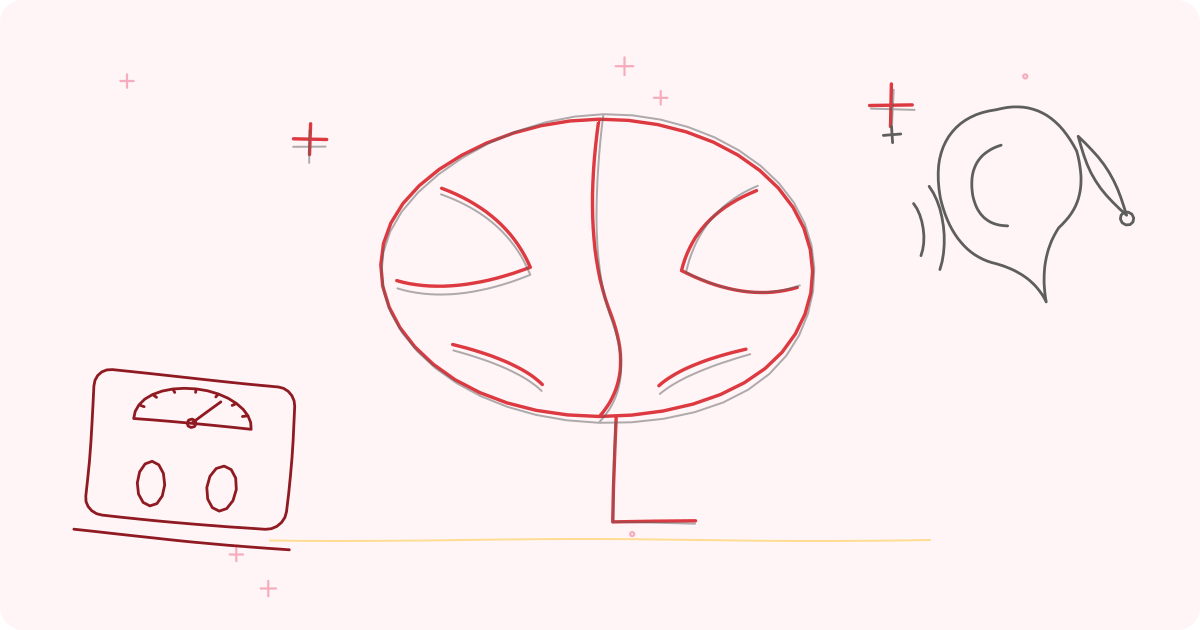
Balance depends on information reaching the brain from the inner ear, the eyes, and the body's nerves and joints. NIDCD explains that in BPPV, small crystals called otoconia become loose and tumble into one of the semicircular canals of the inner ear, which disrupts the signals sent to the brain. The result is a brief, intense spell of vertigo set off by a change in head position.
Because the NHS says inner ear problems are the most common cause of vertigo, many spells are not dangerous in themselves. A problem in the brain is much less common, but it is the reason the warning signs in the last section exist.
Common causes in older adults
BPPV. According to the NIDCD, BPPV involves a brief, intense episode of vertigo triggered by a change in head position, and is caused by loose otoconia in a semicircular canal. The NIDCD also says the risk of balance problems rises with age.
Labyrinthitis and vestibular neuritis. The NHS page on labyrinthitis and vestibular neuritis explains that both are inner ear problems, usually caused by a viral infection such as a cold or flu. It says the symptoms of the two are very similar, but vestibular neuritis does not cause hearing loss or tinnitus. The NHS says people usually get their balance back over 2 to 6 weeks, although it can take longer, and some people have balance problems for months or years.
Ménière's disease. The NHS calls this a rare inner ear condition that can affect balance and hearing. Episodes start suddenly and can last from minutes to 24 hours. Common features include spinning vertigo, loss of balance, ringing in the ear (tinnitus), hearing loss, ear pressure or pain, and nausea or vomiting. The NIDCD says the cause is still unknown.
Migraine. The NHS lists migraine among the causes of vertigo.
Medicines. Both the NHS and NIDCD name some medicines as possible causes of dizziness. Anyone worried that a medicine is involved is better placed to discuss it with the prescriber than to change anything alone. Stopping or altering a prescribed medicine is a decision for the doctor who prescribed it.
Stroke. Vertigo can be a symptom of a stroke. The NHS lists vertigo with double vision, trouble speaking, or weakness or numbness as reasons to call 999. The NHS stroke guidance describes the FAST signs: face drooping on one side, arm weakness or numbness, slurred or confused speech, and time to call 999. See stroke warning signs and the first hour.
Other causes. NIDCD also lists ear infections, head injuries, low blood pressure, arthritis and eye muscle imbalance among causes of balance problems, and says many balance disorders start suddenly with no obvious cause.
How vertigo is assessed
This guide cannot say which tests any one person needs. The NIDCD says that an otolaryngologist (an ear, nose and throat specialist) first checks whether another condition or a medication is responsible for a balance problem. The cause matters because, as the NHS says, treatment depends on the cause. The NHS also describes urgent features that need quick attention, not a routine appointment: vertigo with a severe headache, sickness, or a very high temperature or chills should lead to an urgent GP appointment or a call to NHS 111, according to its page on vertigo.
Which tests suit a particular person is a clinical decision, so this guide does not describe them step by step.
What the sources say about treatment
BPPV and repositioning manoeuvres. The NIDCD says treatment for BPPV can include a series of simple movements, such as the Epley manoeuvre, to help dislodge the otoconia. The Cochrane review of the Epley manoeuvre (2014) concluded it is a safe, effective treatment for posterior canal BPPV. It was based on 11 mostly small randomised trials with fairly short follow-up. Cochrane reports that BPPV recurs in about 36% of patients after treatment, that Epley outcomes were comparable to the Semont and Gans manoeuvres, and that they were better than Brandt-Daroff exercises. Because the right manoeuvre depends on which ear and canal are affected, a clinician decides if and how it is done. This guide does not teach it.
Labyrinthitis and vestibular neuritis. According to the NHS, antibiotics typically do not help because the cause is usually viral. A GP may prescribe antihistamines, motion sickness tablets or anti-sickness medicines for up to 3 days, and the NHS adds that longer use can slow recovery. Self-care described on the page includes resting in a dark, quiet room, sipping fluids often, getting enough sleep, and gradually returning to walking. It says to avoid alcohol and to avoid driving, cycling or machinery while dizzy. For problems lasting months or more, the NHS says vestibular rehabilitation exercises supervised by a specialist such as a physiotherapist can help. It advises seeing a GP if symptoms are not improving after a few days or have not improved within a week of starting treatment, and seeking urgent advice for sudden hearing loss in one ear.
Ménière's disease. The NHS says there is no cure but symptoms can be managed with medicines for vertigo and nausea, hearing aids, tinnitus support and vestibular rehabilitation, and that surgery is rarely offered. For diet and lifestyle, the NHS page lists drinking plenty of fluids, asking a GP about a low-salt diet, limiting caffeine, and avoiding alcohol and smoking. The NIDCD describes treatment options including dietary changes, anti-vertigo or anti-nausea medication, gentamicin and corticosteroids, and says gentamicin occasionally causes permanent hearing loss. Whether any of these suits a particular person is for a specialist to judge.
Vertigo in general. The NHS page on vertigo says most people get better without treatment. It lists antibiotics for infection, balance exercises and sometimes antihistamines as treatment options, depending on the cause. The NIDCD says vestibular rehabilitation can help people who cannot fully relieve their dizziness. See balance exercises for seniors for general information on balance training.
Treatments without reliable evidence. This guide has not found evidence from the sources above for celery juice, homoeopathic remedies or acupressure as treatments for vertigo, and does not recommend them. A doctor can discuss any complementary approach someone wants to try.
Why falls matter
Falls, not the spinning itself, cause much of the harm. The NHS page on falls lists measures that reduce risk at home. These include well-fitting shoes or slippers with good grip, a non-slip mat in the bath or shower, grab rails, safety rails on steps, and keeping walkways clear of clutter, loose wires and rugs. The page also lists keeping a personal alarm or mobile phone within reach, regular eye and hearing tests (since ear problems can affect balance), and asking a GP or pharmacist whether medicines could affect balance. It suggests doing activities that build strength and balance at least twice a week.
The NIDCD page on balance disorders lists similar safety steps: avoiding walking in the dark, wearing low-heeled shoes, and adding handrails at home. For a longer discussion, see falls in older persons: risk factors and prevention.
On what to do after a fall, the NHS says to call 999 if someone has fallen and may have injured the head, back, neck or hip, or cannot get up. It suggests calling 111 if someone has fallen and may be in pain, injured or unwell. In India, call 112 for emergencies.
When to see a doctor
This guide is general information, not medical advice. It does not replace a doctor, nurse or pharmacist who knows your situation.
Emergency information. The NHS advises calling 999 (in India, 112) for vertigo with:
- Double vision or vision loss.
- Hearing loss.
- Trouble speaking.
- Weakness, numbness or tingling in an arm or leg.
The NHS also advises against driving yourself to hospital in these circumstances. Its stroke guidance says to call 999 for stroke signs even if they have stopped within the last 24 hours, and its Ménière's page lists facial drooping, arm weakness, slurred speech, sudden vision loss in one eye or severe imbalance with vertigo as possible stroke signs.
Urgent but not an emergency. The NHS says vertigo with a severe headache, sickness, or a very high temperature or chills calls for an urgent GP appointment or NHS 111, and that sudden hearing loss in one ear also calls for urgent advice.
Non-urgent. The NHS suggests seeing a GP if symptoms do not improve after a few days or get worse. Families may also want a doctor's view if a first spell has occurred, if spells are becoming more frequent, or if there has been a fall. A doctor is the right person to say what applies.
Equipment mentioned in this guide
Frequently asked questions
Is vertigo the same as dizziness?
Not exactly. The NHS describes vertigo as a feeling that you or everything around you is spinning, while dizziness is a broader word. The NIDCD lists both dizziness and vertigo among the symptoms of balance disorders.
How long does vertigo last?
The NHS says attacks can last from a few seconds to hours. For labyrinthitis and vestibular neuritis it says balance usually returns over 2 to 6 weeks, though it can take longer.
Can vertigo go away on its own?
The NHS says most people with vertigo get better without treatment, and that treatment depends on the cause. A doctor can say what applies in an individual case.
Is vertigo curable?
The Cochrane review found the Epley manoeuvre safe and effective for posterior canal BPPV, but also reported recurrence in about 36% of people. The NHS says Ménière's disease has no cure but can be managed.
Is the Epley manoeuvre something to try without a clinician?
This guide does not teach it. The Cochrane review looked at the manoeuvre as a treatment for BPPV, and which manoeuvre is suitable depends on the type and side, so a clinician is the person to ask.
Is vertigo a sign of a stroke?
It can be. The NHS lists vertigo with double vision, trouble speaking, or weakness or numbness as a reason to call 999, and the NHS stroke page describes the FAST signs.
Sources and further reading
Tags: vertigodizzinessBPPVEpley manoeuvreinner earvestibular rehabilitationfalls preventionGentle exercise at homeHealthy ageingElder care
This article is for general education and is not medical advice. Ask a doctor or pharmacist about your own situation before changing any exercise, diet or medicine.