Where to start
Begin with 10 to 15 minutes.
- Cat-cow on a chair or on hands and knees
- Seated twists and side bends
- Tree pose with a hand on a wall
- Mountain pose and gentle forward bends
- Legs-up-the-wall rest
Breathing
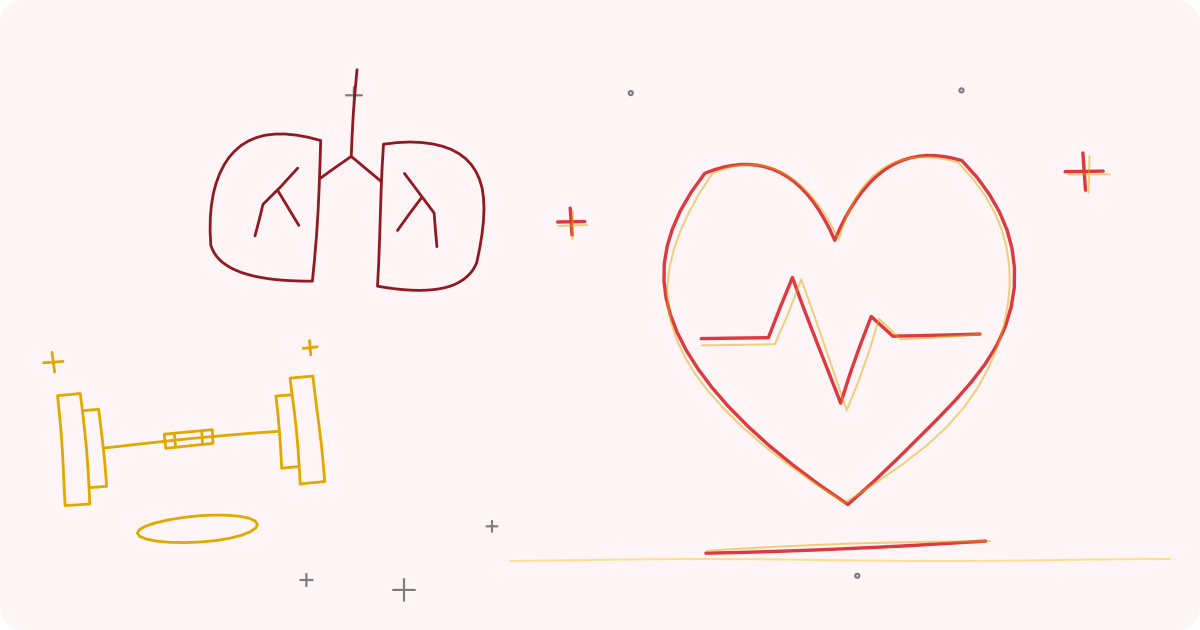
Slow, nasal breathing such as anulom vilom or simple 4-in, 6-out breaths can help relax the body. Avoid forceful or breath-holding techniques if you have heart disease, high blood pressure or lung conditions, unless a teacher and doctor approve.
Safety
Warm up, use props, avoid deep spinal flexion with osteoporosis, and stop if you feel pain or dizziness. Join a class taught by an instructor experienced with seniors.
Yoga for common conditions
For arthritis, gentle joint movements and chair yoga improve mobility; avoid forcing painful joints. For osteoporosis, choose standing poses and back-strengthening, and avoid deep forward bends and twists. For high blood pressure, practise slow breathing, relaxation and gentle postures, and avoid inversions and breath holding. For diabetes, regular yoga may help control blood sugar and weight. For back pain, cat-cow, gentle bridge and knee-to-chest are often helpful. Always consult your doctor and a qualified teacher.
Pain is a signal to stop or adjust, not to push through.
Yoga nidra and relaxation for sleep
Yoga nidra is a guided relaxation practised lying down, in which attention is moved through the body while remaining awake. Studies suggest it can reduce stress and improve sleep. Many free recordings are available; choose a calm voice and a length of ten to thirty minutes. Practise in a quiet room with a blanket and pillow. It is a gentle option for people who find sitting meditation difficult.
Practise in the afternoon or before bed to ease into sleep.
Starting a class and staying safe
Look for classes for beginners or seniors, with a teacher who asks about health conditions and offers modifications. Wear comfortable clothes, use a non-slip mat and have a chair and wall nearby. Do not practise on a full stomach. Rise slowly from lying or bending to avoid dizziness. Stay hydrated. If you have eye conditions such as glaucoma or retinal problems, avoid head-down positions. Be patient: progress comes slowly and the benefits grow with regular practice.
Practising with a group makes yoga a social event too.
Building a home practice
Choose a quiet corner with a mat, a chair and a wall. Practise at the same time each day, such as after waking or before dinner, for 15 to 30 minutes. Begin with breathing, move through gentle poses, and end with rest. Use a recording or an online class designed for seniors if you cannot attend in person. Keep a journal of how you feel after each session.
Review your practice with a teacher from time to time to correct posture and learn new poses.
Consistency matters more than intensity; a little every day is better than a lot once a week.
What studies say about yoga for older adults
A review of trials found that yoga-based exercise improved balance, mobility and lower-body strength in people aged 60 and over. Other studies suggest benefits for flexibility, sleep, mood and quality of life, and some show modest reductions in blood pressure. Yoga is also valued for its mindful, social and spiritual dimensions. It is not a substitute for medical treatment, but it is a valuable complement.
A gentle twenty-minute sequence
Begin seated or standing with slow breathing for two minutes. Do shoulder rolls and neck turns. Cat-cow on hands and knees or seated. Seated side bends and gentle twists. Mountain pose and standing forward bend with hands on a chair. Tree pose with one hand on the wall. Warrior II holding the back of a chair. Finish with legs up the wall or lying on your back with knees bent for five minutes of relaxation. Move slowly, never forcing a stretch.
Breathing practices and cautions
Gentle practices such as slow diaphragmatic breathing, humming bee breath and alternate-nostril breathing without holding the breath are generally safe. Avoid vigorous techniques such as kapalabhati or breath retention if you have high blood pressure, heart disease, lung disease, glaucoma or are pregnant, unless supervised and approved. Practise on an empty stomach in a well-ventilated room, and stop if dizzy.
Chair yoga for those with limited mobility
Sit tall near the front of a sturdy chair. Practise seated mountain pose, shoulder rolls, neck stretches, seated cat-cow, side bends, twists and forward folds over the thighs. Add ankle circles and seated leg extensions. Finish with slow breathing. Chair yoga offers the same breath, flexibility and calming benefits with a safe base.
Meditation and rest in yoga
The final relaxation, savasana, is as important as the postures. Lie on your back with a pillow under your knees, close your eyes and scan the body from toes to head. Five to ten minutes of deep rest lowers stress and prepares you for sleep. If lying down is uncomfortable, sit in a chair with support.
Equipment mentioned in this guide
Frequently asked questions
Does yoga help balance?
Yes, and balance training lowers fall risk.
Is chair yoga real yoga?
Yes, it keeps the benefits while making poses accessible.
How often?
Three to five short sessions a week are enough to notice benefits.
Do I need to be flexible?
No. Yoga builds flexibility gradually; props and chairs help.
Can yoga replace exercise?
It builds balance and flexibility but add walking and strength training too.
How do I find a good teacher?
Look for qualified instructors with experience teaching older adults and ask to observe a class.
Sources and further reading
- Youkhana S. et al., Yoga-based exercise improves balance and mobility in people aged 60 and over: a systematic review and meta-analysis, Age and Ageing (2016)
- Ministry of AYUSH, Government of India, Common Yoga Protocol
- World Health Organization, Guidelines on physical activity and sedentary behaviour (2020)
Tags: Non-slip exercise matOrthopaedic seat cushionFingertip pulse oximeterGentle exercise at homeCushions, pillows and comfortHealth monitoring devicesLongevityHealthy ageingElder care
This article is for general education and is not medical advice. Speak to your doctor before changing your exercise, diet or medicines.