How much
Most adults need seven or more hours, and older adults typically do best with seven to eight. Sleep tends to be lighter and more broken with age, which is common but not something to ignore.
Habits that help
Consistency does more than any trick.
- Keep the same wake time, even at weekends
- Get morning daylight and walk outside
- Keep caffeine to the morning
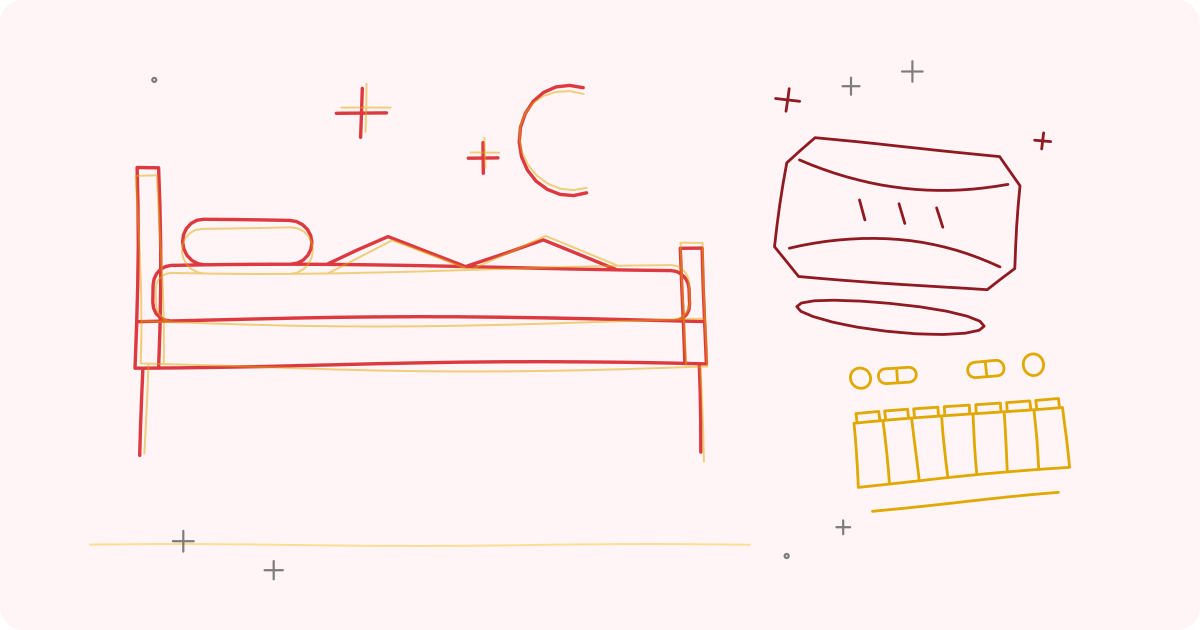
- Keep the bedroom cool, dark and quiet
- Avoid large meals and alcohol close to bedtime
- Wind down with a book or soft music, not a screen
When to see a doctor
Loud snoring with pauses in breathing, daytime sleepiness, restless legs or persistent insomnia deserve medical attention. Sleep apnoea is common and treatable.
The nap question
A short nap of 20 to 30 minutes early in the afternoon can help. Naps are normal in Ikaria and other blue zones.
Sleep, medicines and conditions
Many conditions disturb sleep: pain, heart failure, breathing problems, reflux, an enlarged prostate, restless legs, anxiety and depression. Some medicines, such as steroids, decongestants, diuretics taken late, certain antidepressants and caffeine-containing painkillers, affect sleep. Review the timing and type of medicines with your doctor. Treating the cause is better than relying on sleeping tablets.
Keep a sleep diary for two weeks to share with your doctor.
Napping the right way
A nap of 20 to 30 minutes, early in the afternoon, can refresh without disturbing night sleep. Longer or late naps may make it harder to sleep at night. Nap in a comfortable, quiet place, and set an alarm. If you need long naps every day despite sleeping at night, mention it to your doctor, as it may signal a sleep disorder or another health problem.
Rest is good, but balance is key.
Sleep, dreams and the ageing brain
During deep sleep the brain clears waste products, including proteins linked with Alzheimer's disease, and consolidates memory. Research suggests that chronic poor sleep in midlife and later is associated with higher dementia risk, though it is not yet clear whether poor sleep causes dementia or is an early sign. Either way, protecting sleep is sensible.
Dreams occur mostly in REM sleep, which tends to shorten with age. Vivid or disturbing dreams can occur with medicines, stress or conditions such as REM behaviour disorder; mention them to your doctor, particularly if you act out dreams.
Good sleep habits are one of the most valuable gifts you can give your brain.
How sleep changes with age
Older adults tend to fall asleep a little later or earlier, wake more often, spend less time in deep sleep and feel sleepy earlier in the evening. These shifts are common, but long-term short sleep and sleep disorders are not simply ageing. Studies link sleeping consistently under six hours, or very long hours, with higher rates of heart disease, diabetes, depression, falls and cognitive decline. Quality matters as much as quantity.
Common sleep problems and what to do
Insomnia: keep a regular schedule, limit caffeine after noon, avoid long daytime naps and ask about cognitive behavioural therapy for insomnia, the first-line treatment. Sleep apnoea: loud snoring with gasps, morning headaches and daytime tiredness need a sleep study; treatment with a breathing machine can transform health. Restless legs: tell your doctor, as iron deficiency and some medicines can contribute. Frequent night-time urination: reduce fluids before bed and check for prostate or diabetes issues.
Be cautious with sleeping tablets, which raise the risk of falls, confusion and dependence in older adults.
Creating a bedroom for sleep
Keep the room cool, dark and quiet. Use blackout curtains or an eye mask. Make the bed comfortable and the path to the bathroom clear and lit softly. Remove the television and charge phones away from the bed. Establish a wind-down routine: a warm drink, light stretches, reading or calm music. Get morning daylight and gentle activity to reinforce your body clock.
Light, caffeine, alcohol and screens
Morning light sets your body clock, so get outside early. Caffeine has a half-life of five to six hours, so tea or coffee after noon can disturb sleep. Alcohol may help you fall asleep but fragments the second half of the night. Bright screens in the evening delay the sleep hormone melatonin; use night mode or turn them off an hour before bed.
Worry, grief and sleep
Anxious thoughts and grief often surface at night. Keep a notebook by the bed to jot down worries, practise slow breathing, and talk to someone you trust during the day. If low mood or anxiety persists, see a doctor or counsellor; treatment improves sleep as well as mood.
Equipment mentioned in this guide
Frequently asked questions
Do older adults need less sleep?
Slightly less on average, but most still need seven to eight hours.
Are sleeping pills safe for seniors?
Many carry risks such as falls and confusion. Talk to your doctor about behavioural options first.
Can poor sleep cause dementia?
Poor sleep is associated with higher dementia risk, but the relationship is complex and works in both directions.
Is it normal to wake at 3 am?
Occasional waking is common. If it happens often and you cannot return to sleep, speak to your doctor.
Can napping replace night sleep?
No. A short nap can supplement but not replace night sleep.
Do older adults really need seven hours?
Most do well on seven to eight hours, with some needing slightly less.
Sources and further reading
- Hirshkowitz M. et al., National Sleep Foundation's updated sleep duration recommendations, Sleep Health (2015)
- Edinger J.D. et al., Behavioral and psychological treatments for chronic insomnia disorder in adults: an American Academy of Sleep Medicine clinical practice guideline, Journal of Clinical Sleep Medicine (2021)
- Livingston G. et al., Dementia prevention, intervention, and care: 2024 report of the Lancet standing Commission, The Lancet (2024)
Tags: Cervical neck pillowWedge pillowPressure-relief air mattressMotion-sensor night lightCushions, pillows and comfortBeds, mattresses and restBathroom and toilet safetyLongevityHealthy ageingElder care
This article is for general education and is not medical advice. Speak to your doctor before changing your exercise, diet or medicines.