What it gives you
Digging, weeding and carrying keep muscles and joints active. Time outdoors supports vitamin D and mood. Growing food connects you to what you eat, and tending living things offers routine and purpose.
Start small
Begin with a few pots of herbs, tomatoes or chillies on a balcony or windowsill.
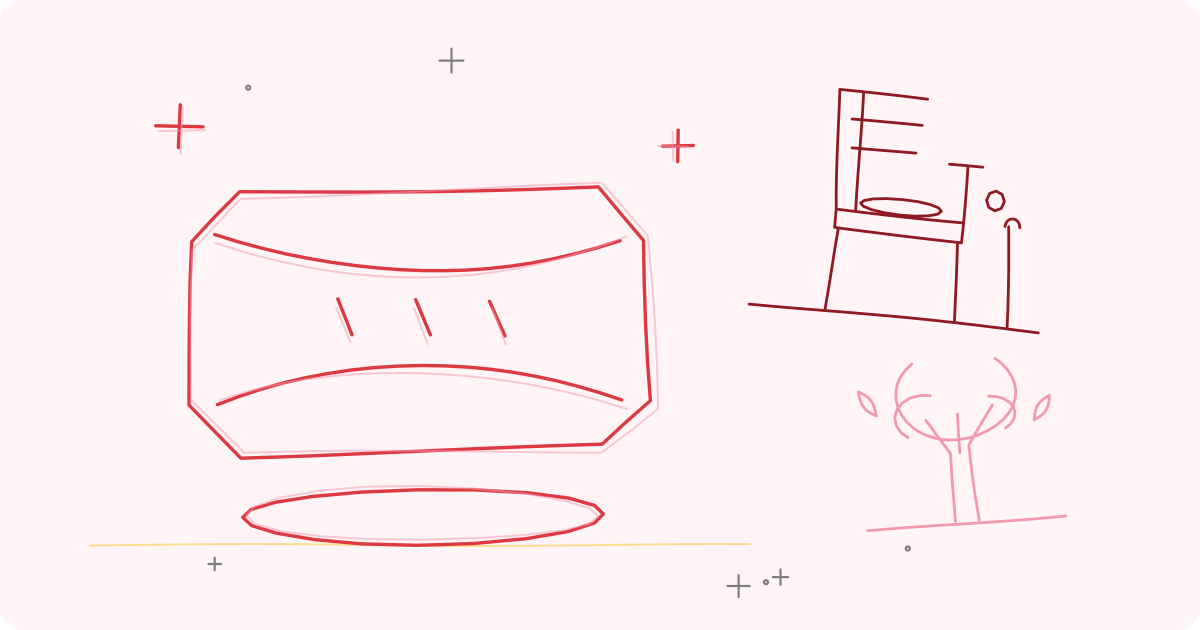
Make it easy on the body
Use raised beds or tall containers, lightweight tools with larger grips, a kneeler seat and a hat. Garden in the cooler parts of the day and drink water.
Make it social
Join a community garden or swap seedlings with neighbours.
Growing food for health
Fresh herbs, greens and vegetables you grow yourself taste better and encourage you to eat more plants. Easy crops include spinach, methi, coriander, mint, tomatoes, chillies, brinjal, okra and beans. Use compost from kitchen waste to enrich the soil. Harvest little and often. Cooking with your own produce adds pride and connection to food, and sharing surplus with neighbours builds community.
If you take blood thinners, remember that leafy greens are rich in vitamin K and should be eaten consistently; ask your doctor.
Gardening, nature and mood
Time among plants has been shown to reduce stress and improve mood. The colours, scents and sounds of a garden, birds, butterflies and the feel of soil engage the senses. Gardening also provides a rhythm: sowing, watering, waiting, harvesting. For people recovering from loss or illness, tending living things offers hope and routine.
Even looking at a garden through a window can be restorative.
Safety in the garden
Wear gloves, a hat and sunscreen. Drink water. Use tools carefully and store them safely. Be careful with ladders, uneven ground and wet paths. Avoid heavy lifting; use a trolley. Check for insects, snakes and thorns. Take breaks and stop if you feel dizzy or breathless. Wash your hands after gardening, and keep tetanus vaccination up to date.
If you cannot go out, grow herbs in a window box or sunny kitchen shelf.
Gardening with others: community gardens and clubs
Community gardens, allotments and gardening clubs offer shared space, tools, knowledge and company. Many welcome beginners and older members, with raised beds and seating. Working side by side makes conversation easy, and sharing harvests builds bonds. Look for local clubs through resident associations, nurseries and parks departments. Intergenerational gardens, where children and older adults garden together, are especially rewarding.
You can also start a small group on your terrace.
Plants for health, scent and wildlife
Medicinal and aromatic plants such as tulsi, aloe vera, mint, curry leaf, lemongrass and ajwain add flavour and ritual. Flowering plants attract butterflies, bees and birds, which add life and movement. Fragrant jasmine, rajnigandha, champa and roses appeal to the senses. Choose non-toxic plants if there are children or pets, and avoid using strong chemicals. A garden that welcomes wildlife is a source of daily delight.
Plant what you love to look at, smell and eat.
What studies say about gardening
A meta-analysis of studies found that gardening is associated with better mental health, lower stress, reduced anxiety and depression and improved quality of life. A review focused on older adults noted benefits for physical activity, social contact and cognition. Gardening combines gentle exercise with sunlight, fresh air, nature and the satisfaction of nurturing living things. It also connects people to food and seasons.
Garden design for ageing bodies
Use raised beds or tall pots at waist height to reduce bending. Choose lightweight tools with ergonomic grips. Create smooth, non-slip paths wide enough for a frame or wheelchair. Add seating at the edges and a shaded spot for resting. Install a tap or watering system close by. Plant easy, productive crops such as herbs, tomatoes, chillies, greens and marigolds. Keep the garden small enough to manage in a short session.
A season-by-season plan
Winter and spring: sow leafy greens, coriander, peas and radishes. Summer: grow okra, gourds, chillies and basil, with shade and regular watering. Monsoon: plant spinach, amaranth and flowers; protect from waterlogging. Autumn: prepare beds, compost and plant bulbs and cool-season vegetables. Harvest regularly, share produce with neighbours and cook with it. Keep a notebook of what thrives.
Container gardens for balconies and terraces
Choose pots of different sizes with drainage holes, and use light potting mix. Grow herbs such as mint, basil and coriander; vegetables such as tomatoes, chillies and spinach; and flowers such as marigolds, jasmine and hibiscus. Water in the morning or evening. Feed with compost or diluted organic fertiliser. Group pots together to protect from wind. A small collection can be a daily source of pleasure.
Gardening with dementia or limited mobility
Sensory gardens with fragrant herbs, colourful flowers and textures stimulate memory and calm. Raised beds and wheelchair-accessible paths make gardening possible for people with limited mobility. Simple, repetitive tasks such as watering, deadheading and sweeping offer purpose. Always supervise tools, ensure plants are non-toxic and provide shade and water.
Equipment mentioned in this guide
Frequently asked questions
Is gardening real exercise?
Yes. It is light to moderate activity and works many muscle groups.
What are easy plants for beginners?
Herbs like mint and basil, leafy greens, tomatoes and chillies are forgiving.
Can I garden without a yard?
Yes. Balcony pots, window boxes and community plots all work well.
What if I have no outdoor space?
Grow herbs on a windowsill, use hanging baskets or join a community garden.
Is gardening safe with joint pain?
Yes, with raised beds, supportive tools and breaks. Avoid prolonged kneeling.
What about heat and sun?
Garden in the early morning or evening, wear a hat and drink water.
Sources and further reading
- Soga M., Gaston K.J. and Yamaura Y., Gardening is beneficial for health: a meta-analysis, Preventive Medicine Reports (2017)
- Wang D. and MacMillan T., The benefits of gardening for older adults: a systematic review of the literature, Activities, Adaptation & Aging (2013)
- World Health Organization, Guidelines on physical activity and sedentary behaviour (2020)
Tags: Orthopaedic seat cushionWalking stick with fold-out seatReacher grabberCushions, pillows and comfortMobility and walking aidsDaily living aidsLiving beautifullyLater lifeElder care