What a nebuliser does
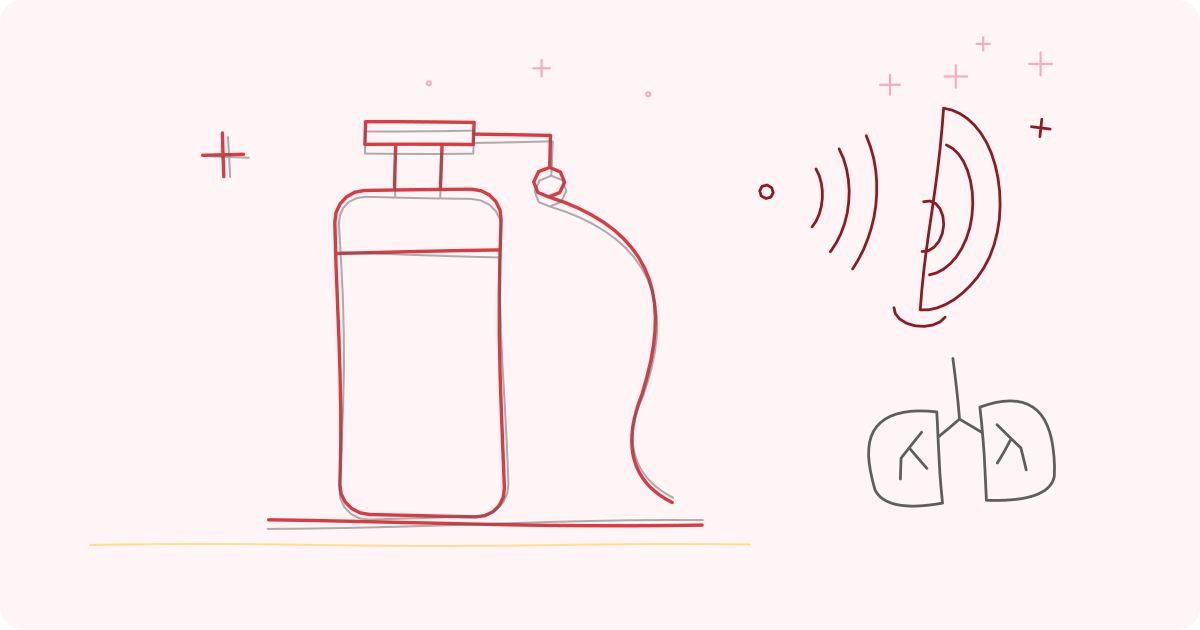
A nebuliser has a medicine cup (chamber) that holds liquid medicine, a device that turns it into a mist, and a mouthpiece or mask. As the person breathes normally, they inhale the mist. Because the mist is delivered over about five to fifteen minutes, it does not require the coordination that a metered-dose inhaler does. It is commonly used for:
- Reliever medicines (bronchodilators) that open the airways in asthma and COPD.
- Preventer medicines, such as inhaled steroids, when prescribed.
- Other inhaled medicines a specialist may prescribe, such as mucus-thinning treatments or antibiotics for certain conditions.
- Saline, when a doctor advises, to loosen mucus.
A nebuliser does not treat the illness by itself. It delivers medicine. The medicine, the dose and how often must be directed by your doctor. Never use a nebuliser with a medicine that was not prescribed for your parent, or "top up" with extra doses because breathing feels worse. If breathing is worsening despite treatment, call the doctor; if severe, call 112.
Types of nebuliser
Compressor (jet) nebulisers. A small electric pump pushes air through a tube into the medicine cup, where it breaks the liquid into mist. They are widely available, robust and effective for most medicines. They are usually the type prescribed for home use. They are noisy, bulky compared with newer types and need mains power or a battery pack. Treatment takes about 5 to 15 minutes.
Ultrasonic nebulisers. Use high-frequency vibration to create mist. They are quieter and faster for some medicines, but are not suitable for all drugs, since heat or vibration may damage certain medicines, and suspensions such as some steroids may not nebulise well. Use only if your doctor or the maker confirms the medicine is suitable.
Mesh nebulisers. A vibrating mesh with tiny holes makes the mist. They are small, quiet and often battery-operated, which suits travel and light use. They can be costlier and need careful cleaning to avoid blocked holes. Again, not all medicines are suitable.
Portable or battery nebulisers. Compact versions of any of the above. They are convenient for outings and during power cuts, but check the battery life and how many treatments they give per charge.
Steam inhalers are not nebulisers. A steamer produces hot water vapour, not medicine mist, and carries a risk of burns. See steam inhalation: benefits, burns and safer habits.

Mask or mouthpiece?
- Mouthpiece: the medicine goes straight into the mouth, with less wasted on the face and eyes. It is generally preferred if the person can hold it and seal their lips around it. Some medicines, especially those that might irritate the eyes, are best given by mouthpiece.
- Mask: covers the nose and mouth. It suits people who cannot hold a mouthpiece, who are very breathless, weak, confused or have a facial weakness. A snug fit matters; a loose mask loses much of the dose to the air and eyes.
Ask the doctor or nurse which is right. After a steroid nebuliser via a mask, wash the face and rinse the mouth to reduce side effects, as advised.
How to choose or rent one
Questions to ask.
- Has the doctor prescribed a nebuliser, and for which medicines?
- Is the device suitable for those medicines? Ask the doctor or pharmacist.
- What treatment time, particle size and output does it have? A good device delivers most of the dose within a reasonable time.
- How noisy is it? Many compressors sound like a loud fan. Consider your parent's sleep and hearing.
- Is it easy to use with arthritic fingers, poor eyesight or tremor? Check the cup lid, tube connection and on-off switch.
- How easy is it to clean and are spare parts (cups, tubes, masks, filters) available?
- What is the warranty and service?
- Can it run on batteries for power cuts or travel?
Features that help:
- Large, simple on-off switch.
- Clear medicine cup with volume markings.
- A stable base that does not tip.
- Tubing that does not kink.
- A reliable compressor with a replaceable air filter.
- Spare mask sizes, including adult.
- A carry case.
Buy or rent? Short-term illness may justify renting; long-term disease often justifies buying. Costs vary, and the cheapest devices may be inefficient or noisy. See renting breathing equipment: costs, checks and return, medical device licences and safe buying and equipment to rent vs buy checklist.
Nebuliser or inhaler?
For many older adults, a properly used inhaler with a spacer works as well as a nebuliser for routine care, and is quicker and more portable. A nebuliser may be chosen for very breathless patients, those who cannot use an inhaler correctly even with help, or certain medicines. Do not assume a nebuliser is stronger or better. See nebuliser or inhaler: understanding the difference and inhaler technique and spacers for older adults.
Safety points
- Use only prescribed medicines and doses. Do not mix medicines in one cup unless the doctor or pharmacist says they can be mixed. Do not dilute or add saline unless told.
- Never use oral tablets, syrups or injections in a nebuliser.
- No water-only or herbal preparations, essential oils, steam additives or home remedies in the medicine cup. They can irritate the lungs or cause dangerous reactions.
- Do not share masks, mouthpieces or cups between people.
- Watch for side effects: shaking, a racing heartbeat, palpitations, headache or throat irritation after a bronchodilator, and thrush (white patches in the mouth) after a steroid. Report them.
- Do not take extra treatments if breathless; follow the written plan and call the doctor. If your parent's breathing is not easing, they are exhausted, blue, confused or in pain, call 112.
- If using oxygen: most compressor nebulisers use room air. If your doctor wants the nebuliser driven by oxygen, they will state the flow. Do not connect a nebuliser to oxygen yourself. Keep all flames and smoking away from oxygen; see using an oxygen concentrator safely at home.
- Electrical safety: keep the compressor dry, on a stable surface and away from water, with the cord out of the way.
Cleaning and care
A dirty nebuliser can carry germs straight into the lungs.
- After each use: disassemble the cup and mask or mouthpiece, rinse under warm running water, shake off excess, and let the parts air-dry on a clean cloth or paper towel.
- Once a day (or as the maker says): wash the parts in warm water with mild liquid soap, rinse well and dry.
- Weekly or as advised: disinfect as the maker recommends, for example by soaking in diluted white vinegar solution or boiling certain parts if the manual allows. Do not boil parts that are not heat-safe.
- Do not wash the tubing unless the maker says so; wipe it, and replace it if cloudy or moist inside. To dry the tubing, run the compressor for a minute with the tube attached and nothing in the cup.
- Do not wash or wet the compressor. Wipe with a damp cloth.
- Change the compressor air filter as directed.
- Replace cups, masks and tubing at the intervals the supplier advises or when worn or cracked.
- Store dry in a clean, covered container, away from dust and damp.
For a full routine, see a cleaning schedule for breathing equipment. Humid Indian conditions encourage mould and bacteria, so drying properly matters.
Power cuts and travel
Keep an alternative way to take medicine, such as the prescribed inhaler with a spacer, in case of a power cut. A battery nebuliser or a power bank can help. See oxygen at home and power cuts: a backup plan for general planning ideas.
When to ask a professional
Ask your doctor whether a nebuliser is appropriate, which medicines and doses to use, how often, and when to call. Ask a nurse or physiotherapist to show you the technique and cleaning. Ask a pharmacist to check medicines and side effects. Call the doctor if the nebuliser is needed more often than usual, if the medicine seems to be less effective, if your parent is shaky or has a racing heart, or if there are fever, a change in sputum colour or increased breathlessness. Call 112 for severe breathlessness, blue lips, confusion, chest pain or collapse.
Equipment mentioned in this guide
Frequently asked questions
Can I use a nebuliser without a prescription?
The device can be bought, but the medicine and dose should be prescribed. Using the wrong liquid or an incorrect dose can be harmful.
Is a nebuliser stronger than an inhaler?
Not necessarily. Both deliver medicine; an inhaler with a spacer can be just as effective for many people. The doctor chooses what suits your parent.
Can I put essential oils or herbal drops in the nebuliser?
No. They can irritate and damage the lungs and the device. Use only prescribed medicines.
How often should I replace the mask and cup?
Commonly every few months, or sooner if worn, cracked or cloudy, but follow the supplier's advice.
Why is my nebuliser mist weak?
It may be blocked, the filter may be dirty, the tubing may be kinked or the cup may be worn. Clean it, check connections and replace parts. Contact the supplier if it persists.
Sources and further reading
- British Thoracic Society, guideline for nebuliser therapy in adults
- Global Initiative for Chronic Obstructive Lung Disease (GOLD), report on diagnosis, management and prevention of COPD
- Global Initiative for Asthma (GINA), global strategy for asthma management and prevention
- National Institute for Health and Care Excellence, NG115 Chronic obstructive pulmonary disease in over 16s
Tags: nebulisercompressor nebulisermesh nebulisernebulizer for elderlynebuliser masknebuliser cleaningasthma copd nebuliserBreathing supportHealth monitoring devicesHealthy ageing
This article is for general education and is not medical advice. Speak to your doctor before changing your exercise, diet or medicines.