The nine forms, day by day
The names and order below are the ones commonly followed across India, though some regions and households vary. Each form is associated with a theme and with imagery that devotees keep in mind during worship. These are traditional descriptions and are given here as belief, not as fact.
Day 1: Shailaputri. The name means "daughter of the mountain" (Himalaya). She is usually shown with a trident and a lotus, riding the bull Nandi. Many families begin the nine days with her, often setting up the kalash on this day.
Day 2: Brahmacharini. She is the form of Parvati who undertakes austerity to win Shiva. Images show her barefoot, holding a rosary and a water pot. She is associated with discipline, patience and devotion.
Day 3: Chandraghanta. She is named for the half-moon shaped like a bell on her forehead. She is shown riding a tiger, with many arms holding weapons, and is associated with courage and protection from fear.
Day 4: Kushmanda. In tradition, she is the one whose gentle smile brought the universe into being. She is shown with eight arms, riding a lion, and is linked with energy and creation.
Day 5: Skandamata. She is the mother of Skanda, also called Kartikeya, and is shown holding the child in her lap. She stands for motherhood and protective love.
Day 6: Katyayani. She is the warrior form, born from the combined energy of the gods in the Mahishasura story and worshipped as a slayer of evil. In some traditions she is also linked with prayers for a good marriage.
Day 7: Kalaratri. The darkest and fiercest of the nine, shown with dishevelled hair and riding a donkey. She is associated with the destruction of fear and ignorance and, despite her fearsome image, with protection of devotees.
Day 8: Mahagauri. She is shown as fair, often in white, riding a bull, and is associated with purity and calm. In many homes, the eighth day, Ashtami, is the high point, with kanya pujan and a special meal.
Day 9: Siddhidatri. The final form, seated on a lotus, is believed to grant spiritual accomplishment. The ninth day, Navami, often ends with a havan and kanya pujan.
On the tenth day, Vijayadashami or Dussehra, communities celebrate the victory of good over evil. In the east and south, this is the day of Durga's victory over Mahishasura. In the north and west, it is more often linked with Rama's victory over Ravana. Both are traditions, and families follow the version of their own region.
How regions celebrate
The nine nights look very different in different places, which is part of their charm.
- Bengal, Assam and Odisha observe Durga Puja, usually over the last four or five days, with clay idols, decorated pandals, drummers and bhog. Immersion marks the end.
- Gujarat and parts of Maharashtra and Rajasthan are known for garba and dandiya raas, with the Goddess honoured through the lamp at the centre of the circle.
- North India often means fasting for nine days or on selected days, reading the Durga Saptashati (Devi Mahatmya), and kanya pujan on Ashtami or Navami, followed by Ram Leela and the burning of effigies on Dussehra.
- South India has Golu, the display of dolls on steps, along with Saraswati puja and Ayudha puja, when books, tools and vehicles are worshipped. Mysuru is known for its grand Dasara procession.
If you are looking for the dates in a particular year, a recognised panchang or the temple or community calendar is the right source, since dates shift with the lunar calendar. The library page on Navratri 2022 dates and Durga Puja muhurat is an example of how such details are explained for one year.
The colour of the day
In recent years, a custom of wearing a particular colour on each of the nine days has become widely popular, especially in the west and north of India and on social media. The idea is that each day has a colour that suits the form of Durga being worshipped. Many families enjoy it as a way of making the festival visual, and it brings groups together when everyone arrives in the same colour.
Three points are worth knowing.
First, there is no single authoritative list. The colours given for each day differ between calendars, publications and years. One popular 2022 list, for instance, began with white on the first day, while other lists begin with yellow or another colour. Some lists base the sequence on the weekday on which Navratri begins, which is why the order changes from year to year, and this is also a reason not to treat any one list as fixed.
Second, the colour is not a requirement of worship. Most temples and traditional texts do not prescribe what a devotee should wear. Many families simply wear clean, simple clothes. Wearing no particular colour does not lessen devotion.
Third, there is no scientific evidence that wearing a colour affects health, luck or mood in any measurable way. Families who find joy in the custom can continue, and those who do not need not.
For an older relative, the most important qualities of festive clothing are comfort and safety:
- soft, breathable cotton or silk blends in warm weather, and layers in cool weather;
- clothes that are not so long or loose that they trip the wearer on stairs or in a crowd;
- dupattas, sarees and pallus kept away from diyas, incense and cooking flames, since loose cloth can catch fire;
- footwear with a non-slip sole for temples and pandals, where floors may be wet;
- easy fastenings, so that dressing does not tire or frustrate the wearer.
Fasting, with care
Fasting is central to Navratri for many families. Practices vary widely: some eat one meal a day, some take only fruit and milk, some avoid grains, onion and garlic, and others fast on only the first and last days. This is a matter of faith and household custom. What the health sources add is a set of cautions that matter for older adults.
Who needs a doctor's advice first. Fasting can interact with long-term conditions and with medicines. The NHS says that people with diabetes who take insulin or certain tablets such as gliclazide and glimepiride can get low blood sugar, and that skipping or delaying meals raises the risk. Symptoms it lists include hunger, dizziness, sweating, shaking, confusion and, in severe cases, seizure or unconsciousness. Anyone on diabetes medicines, blood pressure tablets, diuretics, blood thinners or heart or kidney medicines can ask their doctor or pharmacist how fasting fits with their treatment. Never stop or change a medicine on your own. The library guides on fasting, festivals and older adults and diabetes and low sugar emergencies cover this in more depth.
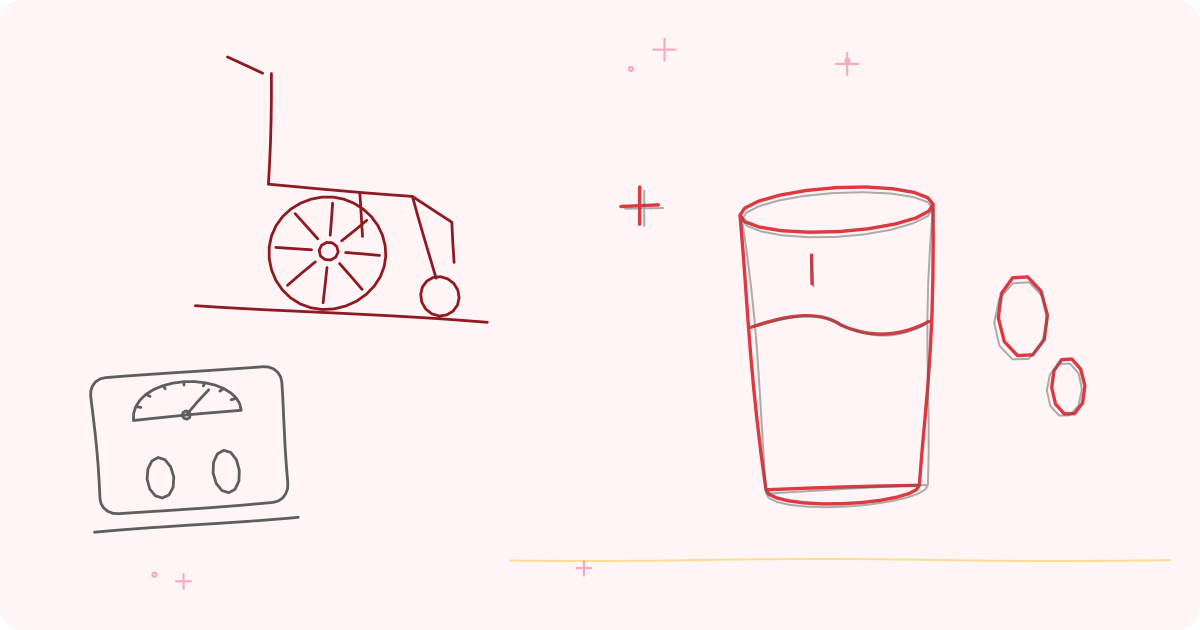
Water matters. The NHS says older adults are more prone to dehydration, and lists diabetes, heat exposure, diuretic medicines and relying on others for drinks among the risk factors. Its symptoms include thirst, headache, dizziness, dark yellow urine, urinating less often and tiredness. Fasts that allow no water at all are especially risky for an older person. The library guide on hydration for older adults explains more.
Keep fasting food fresh. Navratri has its own set of ingredients, such as kuttu (buckwheat) flour, singhara flour, sabudana, potatoes, makhana, fruits and milk. The WHO says that food handlers and consumers should learn to apply its Five Keys to safer food at home, in restaurants and at local markets. In practical terms, the NHS names food that is undercooked, left out for too long, handled by someone unwell or eaten after its use-by date as the main ways people get food poisoning, and says older people should speak to a pharmacist if they are ill, because of their higher risk of dehydration. Buying flour from a trusted shop, checking dates and storing it dry fits the same principle, and so does cooking fresh and not leaving prepared dishes in the heat.
Balance the plate. The WHO healthy diet fact sheet recommends at least 400 grams of fruit and vegetables a day for adults, and less than 5 grams of salt a day. Fried fasting snacks, such as potato chips and pakoras, add fat and salt. Rock salt (sendha namak) is still salt, so people on a low-salt diet for blood pressure or heart disease have the same reason to be careful with it.
Watch for warning signs. If an older person becomes dizzy, confused, unusually drowsy, breathless, or has a fast heartbeat or fainting during a fast, the fast can be stopped and a doctor contacted. The NHS says that confusion, blue, grey or pale skin, difficulty breathing or unusual sleepiness with signs of dehydration need emergency help. In India, call 112.
Taking part safely in celebrations
- Pandals and temples. Large gatherings bring crowds, uneven floors, heat and noise. Going at quieter times, carrying water and a list of medicines, staying with a companion and agreeing a meeting point help. A wheelchair or help at the entrance is a sensible choice for someone who tires or has balance problems.
- Garba and dandiya. Dance is a form of physical activity, and WHO's physical activity fact sheet says that any activity is better than none. For an older person, a gentle pace, breaks, a chair nearby, and flat shoes are wise. People with heart disease, breathlessness or a history of falls can ask a doctor what is suitable, and the library guide on falls risk assessment at home covers general fall safety.
- Lamps, incense and fire. Diyas and akhand jyot should be on a stable, non-flammable surface, away from curtains, clothing and decorations, and never left unattended, especially at night or if a person with memory problems lives in the house.
- Heat and noise. Warm weather, loudspeakers and smoke can tire people and aggravate breathing problems, so quiet breaks are worthwhile. The library guide on celebrating a risk-free Diwali with elders has similar advice on smoke and noise that applies to the festival season.
- Those who cannot travel. A person who is unwell or housebound can still take part through a small altar at home, devotional music, a video call to the pandal or the family, or prasad brought to them.
Making it a family occasion
Navratri is a natural time for grandparents to pass on stories. The tales of the nine forms, the songs for each day and the family's own customs for kalash and kanya pujan are part of a cultural inheritance. Children can ask questions and record answers; an older person who is asked to explain why the family does something often finds a new sense of purpose. Families that follow different regional traditions, such as in-laws from Bengal and Gujarat, can share their versions and enjoy the contrast.
When to see a doctor
This guide is general information, not medical advice. It does not replace a doctor, nurse or pharmacist who knows your situation.
Urgent. Call 112 for an older person who faints, becomes confused, cannot be woken easily, has chest pain, difficulty breathing, a seizure, or signs of severe dehydration or very low blood sugar. The NHS lists confusion, blue or grey skin and difficulty breathing among the signs of dehydration that need emergency care.
Soon. A doctor or pharmacist can be asked before the festival about fasting, if the person takes regular medicines or has diabetes, high or low blood pressure, heart, kidney or liver disease, or has recently been ill. Persistent dizziness, dark urine, passing less urine, or repeated vomiting or diarrhoea after festival food are also reasons to seek advice.
Frequently asked questions
Who are the nine forms of Durga?
In tradition they are Shailaputri, Brahmacharini, Chandraghanta, Kushmanda, Skandamata, Katyayani, Kalaratri, Mahagauri and Siddhidatri, worshipped on the nine days in that order. Some families and regions describe them slightly differently.
Must I wear a particular colour on each day?
No. The colour of the day is a popular custom rather than a rule, and the lists vary between years and sources. Comfort and safety matter more than colour.
Is fasting safe for older adults?
It depends on the person's health and medicines. The NHS says skipping or delaying meals raises the risk of low blood sugar for people on some diabetes medicines. A doctor or pharmacist who knows the person can advise, and medicines should never be stopped without that advice.
Does wearing a colour or following a ritual have health benefits?
There is no scientific evidence that it does. Many people find rituals comforting and meaningful, and the sources used here do not say otherwise, but they do not describe them as treatment.
What is the difference between Navratri and Durga Puja?
Navratri is the nine-night festival observed across India. Durga Puja is the form it takes in Bengal, Assam, Odisha and elsewhere, with community pandals and clay idols, usually concentrated on the last few days.
How can an older person take part if they cannot go out?
A small altar at home, devotional music, a video call to the temple or family, and prasad brought to them are common ways to include someone who cannot travel.
Sources and further reading
Tags: navratrinine forms of durganavadurganavratri coloursfasting for seniorsdurga pujaLifestyle and wellbeingHealthy ageingElder care
This article is for general education and is not medical advice. Ask a doctor or pharmacist about your own situation before changing any exercise, diet or medicine.