Build a system
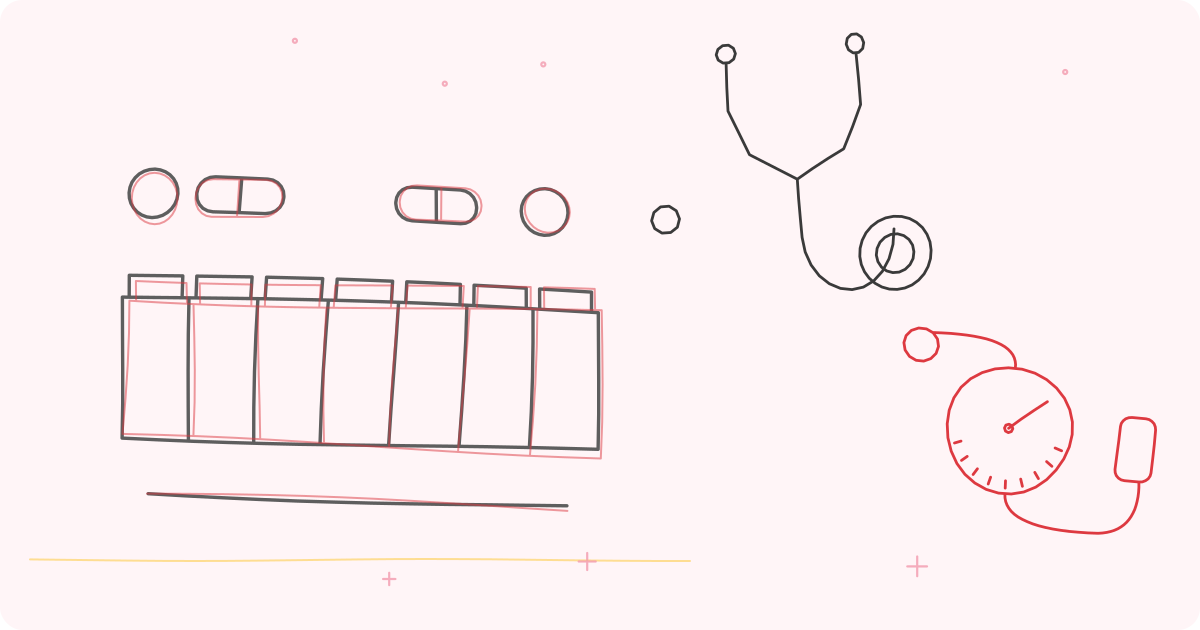
Keep a written list of every medicine, dose and reason. Use a weekly pill organiser or automatic dispenser and set phone alarms.
Review regularly
Ask a doctor or pharmacist to review all medicines, including supplements and herbal products, at least once a year, and after hospital stays.
Watch for problems
New dizziness, confusion, falls, constipation or appetite loss may be side effects. Report them, do not just stop.
Store and dispose well
Keep medicines in original packs, away from heat and damp, and discard expired ones safely.
Common interactions worth knowing
Blood thinners such as warfarin interact with many foods and medicines, including some antibiotics and herbal products; consistent diet and regular tests are essential. Anti-inflammatory painkillers can raise blood pressure, harm kidneys and cause stomach bleeding, especially with blood thinners or diuretics. Some antacids interfere with absorption of other medicines. Grapefruit juice affects several heart medicines. Sedatives and sleeping tablets increase falls and confusion. Always ask a pharmacist before adding any new medicine, including over-the-counter ones.
Keep your list current and share it at each visit.
Side effects that are easy to miss
Dizziness, tiredness, confusion, constipation, dry mouth, loss of appetite, ankle swelling, new falls or low mood can all be caused by medicines. They are often blamed on age. Mention them to the doctor and ask whether a medicine could be responsible. Do not stop it without advice, but ask whether a lower dose or alternative exists. Reviewing medicines when new symptoms arise can solve problems without adding more pills.
A written symptom diary helps the doctor see patterns.
Helping a parent who resists taking pills
Understand the reason: forgetfulness, fear of side effects, cost, difficulty swallowing or a belief that medicines are unnecessary. Listen, explain the purpose in simple terms and involve the doctor. Simplify the regimen with once-daily options where possible. Try different formulations, flavoured liquids or smaller tablets. Use a pill organiser and a reminder, and link it to a pleasant routine such as tea. Never hide medicines in food without medical advice.
Respect their choices while keeping them safe.
Medicines for specific times and with food
Some medicines work best on an empty stomach, others with or after food to reduce stomach upset. Some should not be taken together with calcium, iron or antacids. Some are taken at night, such as statins, while diuretics are best in the morning. Ask the pharmacist to write a clear timetable. Use a chart on the fridge, and tick off each dose.
Do not crush or split tablets unless you are told it is safe, since some are long-acting.
Simple timing makes adherence easier.
Why more pills means more risk
Taking five or more medicines, known as polypharmacy, raises the chance of side effects, drug interactions, falls, confusion, hospital admissions and missed doses. Older bodies process drugs differently, as kidney and liver function decline and body composition changes. Some medicines that were appropriate years ago may no longer be needed, or may cause harm. The American Geriatrics Society publishes the Beers Criteria, a widely used list of medicines that are potentially inappropriate for older adults.
The brown-bag review
Once a year, and after every hospital stay, put all medicines, supplements and herbal products in a bag and take them to your doctor or pharmacist. Ask: what is each for? Do I still need it? Are there interactions? Can the dose or timing be simplified? Are there side effects I should watch for? Could a non-drug approach help? Keep an updated list in your wallet and on your phone.
Building a reliable routine
Link medicines to daily habits, such as breakfast and bedtime. Use a pill organiser or dispenser, filled weekly by a family member or nurse. Set phone alarms. Ask the pharmacist for large-print labels and blister packs. Keep a refill calendar so that supplies do not run out. Store medicines safely, away from heat, damp and children. If swallowing is hard, ask about liquid or dispersible forms before crushing tablets.
Talking to your doctor about deprescribing
Deprescribing means carefully reducing or stopping medicines that no longer help or may harm, under medical supervision. It can reduce side effects and pill burden. Ask: what is each medicine's purpose, benefit and risk at my age? Can any be stopped or reduced? What should I watch for? Never stop medicines on your own; some need gradual tapering.
Pharmacy tips
Use one pharmacy where possible, so that interactions can be checked. Ask the pharmacist for a medication review, large-print labels and advice about timing with food. Keep receipts and the original packs. Check expiry dates, and dispose of unused medicines through take-back schemes or as advised. Report suspected side effects to your doctor.
Equipment mentioned in this guide
Frequently asked questions
Can I stop a medicine I think I do not need?
Not without asking your doctor.
What if I miss a dose?
Check the leaflet or ask the pharmacist. Do not double up unless told.
Who can set up reminders?
A family member, care companion or pharmacist can help.
Is it safe to take herbal remedies with prescription medicines?
Not always. Some interact with blood thinners, blood pressure and diabetes drugs. Tell your doctor about everything.
Can I stop a medicine if I feel better?
Not without asking your doctor; some medicines work silently, such as those for blood pressure or cholesterol.
What if I take too many tablets by mistake?
Call a doctor or poison information centre at once and keep the packs to show.
Sources and further reading
- American Geriatrics Society 2023 updated AGS Beers Criteria for potentially inappropriate medication use in older adults, Journal of the American Geriatrics Society (2023)
- World Health Organization, Medication Without Harm: global patient safety challenge on medication safety (2017)
- World Health Organization, Medication safety in polypharmacy: technical report (2019)
Tags: Weekly pill organiser with alarmDigital blood pressure monitor (upper arm)Blood glucose meter with stripsLarge-display talking clockDaily living aidsHealth monitoring devicesAgeing gracefullyElder care
This article is for general education and is not medical advice. Speak to your doctor before changing your exercise, diet or medicines.